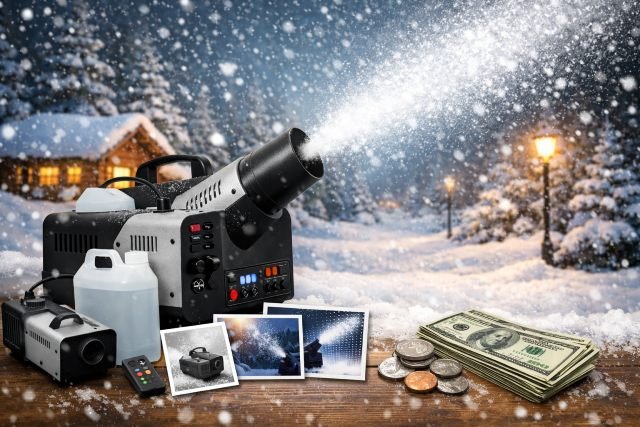
A snow machine has become an essential tool for events, entertainment, film production, and holiday décor where real snow is impractical or impossible. In the first moments of planning a winter-themed experience, many people realize that a high-quality snow machine can instantly transform an ordinary space into a magical snowy setting. From concerts and weddings to theaters and commercial displays, snow machines deliver consistent, controllable results.
- What Is a Snow Machine?
- Why Use a Snow Machine Instead of Real Snow
- How a Snow Machine Works
- Types of Snow Machine Available on the Market
- Key Features to Look for in a Snow Machine
- Snow Machine Fluid and Safety Considerations
- Cost Breakdown: How Much Does a Snow Machine Cost?
- Snow Machine Use Cases and Real-World Examples
- Choosing the Right Snow Machine for Your Needs
- Maintenance and Longevity of a Snow Machine
- Common Questions About Snow Machines
- Environmental and Sustainability Considerations
- Expert Tips for Getting the Best Results from a Snow Machine
- Conclusion: Making the Right Snow Machine Investment
As demand for immersive visual experiences grows, snow machine technology has advanced significantly. Today’s machines are more efficient, safer, and adaptable than ever before. This guide explores snow machine features, types, costs, and real-world use cases to help you make an informed purchase decision.
What Is a Snow Machine?
A snow machine is a device designed to produce artificial snow-like effects using foam-based or water-based solutions. Unlike snowmaking equipment used at ski resorts, entertainment snow machines are optimized for visual realism rather than temperature-based ice formation.
Most modern snow machines create lightweight flakes that float through the air and dissolve without leaving residue. This makes them suitable for indoor venues, outdoor events, and temporary installations.
According to the Event Safety Alliance, artificial snow effects are widely used in live events because they offer predictable performance and controlled cleanup compared to natural alternatives.
Why Use a Snow Machine Instead of Real Snow
Real snow is unpredictable, weather-dependent, and difficult to manage in controlled environments. A snow machine provides consistency regardless of temperature, location, or season.
Artificial snow effects also reduce safety risks such as slipping hazards and water damage. Professional snow machines are designed to meet safety standards for indoor air quality and surface conditions.
For productions and events, the ability to turn snow on and off instantly makes a snow machine a far more practical and cost-effective solution.
How a Snow Machine Works
A typical snow machine uses a specialized snow fluid that is aerated and expelled through a fan or blower system. The fluid expands into foam flakes that resemble falling snow.
These flakes are engineered to evaporate or dissolve shortly after landing. This ensures minimal cleanup and protects floors, equipment, and costumes.
Manufacturers continuously refine fluid formulas to improve realism, flake size consistency, and environmental safety.
Types of Snow Machine Available on the Market
Portable Snow Machine for Home and Small Events
A portable snow machine is ideal for private parties, home décor, and small outdoor displays. These units are compact, lightweight, and easy to operate.
They typically offer moderate output and are designed for short-term use. Homeowners often use these snow machines for holiday lighting displays or themed gatherings.
Professional Snow Machine for Events and Venues
Professional-grade snow machines are built for continuous operation and higher output. These machines are commonly used in concerts, theme parks, and large-scale productions.
They feature stronger blowers, adjustable output controls, and compatibility with professional-grade snow fluids. According to industry data from AVIXA, professional effects equipment is increasingly favored for its reliability and scalability.
Industrial and Outdoor Snow Machine Systems
Industrial snow machine systems are used for large outdoor environments such as amusement parks and winter attractions. These systems often integrate with automated controls and weather-resistant housings.
They are designed for extended operation and wide coverage areas, making them suitable for commercial installations.
Key Features to Look for in a Snow Machine
A snow machine’s performance depends on several core features. Output volume determines how much snow effect the machine can generate per minute.
Control options are equally important. Many modern snow machines offer remote controls, DMX compatibility, or timer-based operation, which is especially useful for stage and event professionals.
Noise level is another consideration, particularly for indoor use. Quieter snow machines are preferred for theaters, weddings, and film sets where audio clarity matters.
Snow Machine Fluid and Safety Considerations
Snow fluid quality directly affects performance and safety. High-quality fluids produce realistic flakes that dissolve quickly without leaving residue.
Reputable manufacturers formulate snow fluids to be non-toxic, biodegradable, and safe for skin contact. Always use manufacturer-recommended fluids to avoid equipment damage and safety risks.
Organizations such as the Occupational Safety and Health Administration emphasize the importance of using certified, non-hazardous fluids in indoor environments.
Cost Breakdown: How Much Does a Snow Machine Cost?
The cost of a snow machine varies widely depending on type and performance. Entry-level models for home use are generally affordable and suitable for occasional operation.
Mid-range snow machines designed for events and venues offer better durability and higher output, placing them in a moderate price range. Professional and industrial snow machine systems represent a larger investment but deliver long-term value through reliability and scalability.
Operational costs should also be considered. Snow fluid consumption, maintenance, and power usage contribute to the overall cost of ownership.
Snow Machine Use Cases and Real-World Examples
A wedding venue used a professional snow machine to create a winter-themed first dance moment. The controlled snowfall enhanced guest experience without creating cleanup issues.
In another example, a theme park installed outdoor snow machine systems to simulate snowfall during holiday seasons. Visitor satisfaction scores increased, and the attraction reported higher seasonal attendance.
Film and television productions also rely heavily on snow machines to achieve consistent visuals across multiple takes, reducing production delays.
Choosing the Right Snow Machine for Your Needs
Selecting the right snow machine begins with understanding your application. Indoor events prioritize quiet operation and residue-free performance.
Outdoor installations require weather-resistant construction and higher output capacity. Portability, control features, and fluid availability should align with how frequently the machine will be used.
Consulting with suppliers or rental companies can provide practical insights into which snow machine best fits your specific requirements.
Maintenance and Longevity of a Snow Machine
Proper maintenance extends the lifespan of a snow machine. Regular cleaning prevents fluid buildup and ensures consistent output.
Manufacturers typically recommend flushing the system with clean water after extended use. This practice reduces clogging and preserves internal components.
According to equipment maintenance guidelines from professional AV suppliers, well-maintained effects machines can operate reliably for many years.
Common Questions About Snow Machines
Is a Snow Machine Safe for Indoor Use?
Yes, a snow machine is safe for indoor use when operated with approved fluids and proper ventilation. Always follow manufacturer guidelines.
Does Artificial Snow Make Surfaces Slippery?
High-quality snow machine fluids are designed to dissolve quickly and minimize slip risk. However, monitoring high-traffic areas is recommended.
Can a Snow Machine Be Used in Warm Weather?
Yes, a snow machine works independently of temperature. This makes it suitable for year-round use in any climate.
Environmental and Sustainability Considerations
Modern snow machine manufacturers increasingly focus on eco-friendly fluid formulations. Biodegradable fluids reduce environmental impact and simplify cleanup.
Compared to real snow logistics or refrigeration-based systems, snow machines consume less energy and water. The Environmental Protection Agency highlights that reducing water-intensive effects supports sustainable event practices.
Choosing certified fluids and energy-efficient machines further enhances environmental responsibility.
Expert Tips for Getting the Best Results from a Snow Machine
Positioning plays a critical role in achieving realistic snowfall. Elevated placement allows flakes to fall naturally and spread evenly.
Adjusting output levels prevents oversaturation and maintains visual balance. Testing the snow machine before the event ensures optimal settings.
Experienced event professionals recommend combining snow machines with lighting effects to enhance depth and realism.
Conclusion: Making the Right Snow Machine Investment
A snow machine is a powerful tool for creating memorable experiences across events, entertainment, and commercial environments. By understanding machine types, features, costs, and safety considerations, buyers can select a solution that meets both creative and practical needs.
Whether for a private celebration or a large-scale production, investing in the right snow machine ensures reliability, realism, and long-term value. With proper selection and care, a snow machine can deliver stunning winter effects anytime, anywhere.