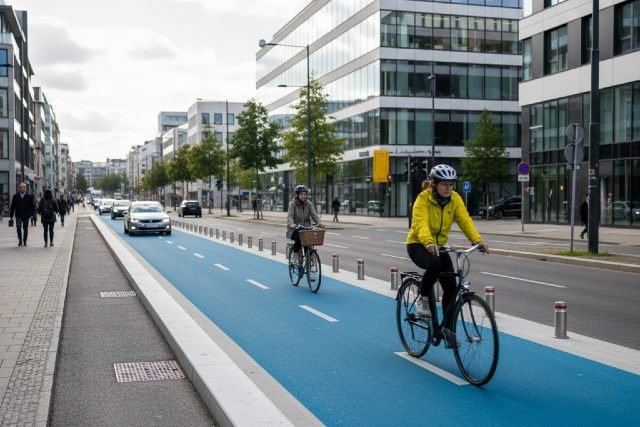
Improving road safety with flow cycle lane implementation is increasingly recognized as a vital strategy for modern urban transport planning. As cities face rising traffic volumes and growing numbers of cyclists, safer and more predictable road designs are essential. A with flow cycle lane allows cyclists to move in the same direction as traffic, reducing conflicts and improving visibility.
- Understanding the Concept of a With Flow Cycle Lane
- How Road Safety Improves with Flow Cycle Lane Design
- The Impact of With Flow Cycle Lanes on Urban Streets
- Evidence and Statistics Supporting With Flow Cycle Lanes
- With Flow Cycle Lanes and Intersection Safety
- Real-World Case Study: New York City
- Additional Benefits Beyond Road Safety
- Best Practices for Implementing With Flow Cycle Lanes
- Frequently Asked Questions
- Conclusion
When properly designed and maintained, these lanes contribute significantly to lower accident rates, improved traffic behavior, and a more inclusive transport network.
Understanding the Concept of a With Flow Cycle Lane
A with flow cycle lane is a designated space on the roadway reserved for cyclists traveling in the same direction as motor vehicles. This type of lane is typically marked by painted lines, bicycle symbols, and in many cases physical barriers that separate cyclists from moving traffic.
The primary purpose of a with flow cycle lane is to create predictable movement patterns. When all road users understand where cyclists belong, the risk of sudden encounters and dangerous maneuvers is greatly reduced.
How Road Safety Improves with Flow Cycle Lane Design
Road safety improves with flow cycle lane design because it minimizes uncertainty for both cyclists and drivers. Cyclists remain visible within the driver’s natural field of vision, while drivers are less likely to make abrupt lane changes or misjudge cyclist behavior.
Research from transport safety authorities consistently shows that predictable road layouts reduce collision rates. With flow cycle lanes encourage smoother traffic flow and discourage risky overtaking, especially on narrow urban streets.
The Impact of With Flow Cycle Lanes on Urban Streets
Urban streets are complex environments where pedestrians, cyclists, and vehicles interact constantly. Introducing with flow cycle lane infrastructure helps organize this space more effectively. By assigning clear roles to each road user, cities can significantly reduce serious injuries.
In many European cities, the introduction of protected with flow cycle lanes has led to noticeable declines in cyclist-related accidents while also improving pedestrian safety.
Evidence and Statistics Supporting With Flow Cycle Lanes
Multiple studies support the effectiveness of with flow cycle lanes in improving road safety. Data from the National Association of City Transportation Officials indicates that protected cycle lanes can reduce cyclist injuries by up to fifty percent. Transport for London has reported similar results, with major reductions in both cyclist and pedestrian injuries on streets with dedicated cycling infrastructure.
These statistics demonstrate that improving road safety with flow cycle lane implementation is not theoretical but evidence-based.
With Flow Cycle Lanes and Intersection Safety
Intersections are the most common locations for cycling accidents. With flow cycle lanes improve intersection safety by guiding cyclists into predictable positions where drivers expect them. Features such as advanced stop lines, dedicated bicycle signals, and clear lane markings further reduce conflict points.
When intersections are designed with cyclists in mind, both compliance and safety outcomes improve dramatically.
Real-World Case Study: New York City
New York City provides a strong example of how road safety improves with flow cycle lane adoption. After installing protected with flow cycle lanes on several major corridors, the city recorded a substantial reduction in cyclist injuries and traffic-related fatalities.
The success of these projects has encouraged further investment in cycling infrastructure and reinforced public support for safer street designs.
Additional Benefits Beyond Road Safety
While safety is the primary goal, with flow cycle lanes also deliver broader benefits. They contribute to reduced air pollution by encouraging cycling over car use. Local businesses often experience increased foot traffic as streets become more pleasant and accessible. Public health outcomes also improve as more people engage in regular physical activity.
Best Practices for Implementing With Flow Cycle Lanes
Successful implementation requires thoughtful planning and community involvement. Lane width, visibility, and continuity are critical factors. Physical separation is especially important on high-speed or high-traffic roads. Public education campaigns help ensure that drivers and cyclists understand how to use the new infrastructure safely.
Frequently Asked Questions
What is a with flow cycle lane?
A with flow cycle lane is a designated cycling lane that runs in the same direction as motor vehicle traffic, improving predictability and safety.
Are with flow cycle lanes safer than shared roads?
Yes, studies consistently show that dedicated with flow cycle lanes significantly reduce crash risks compared to shared traffic lanes.
Conclusion
Improving road safety with flow cycle lane implementation is one of the most effective and proven approaches to protecting cyclists in modern cities. By increasing visibility, reducing conflicts, and creating predictable traffic patterns, these lanes save lives and enhance overall street safety.
As more cities invest in with flow cycle lane infrastructure, the benefits extend beyond cycling alone, creating safer, healthier, and more sustainable urban environments for everyone.