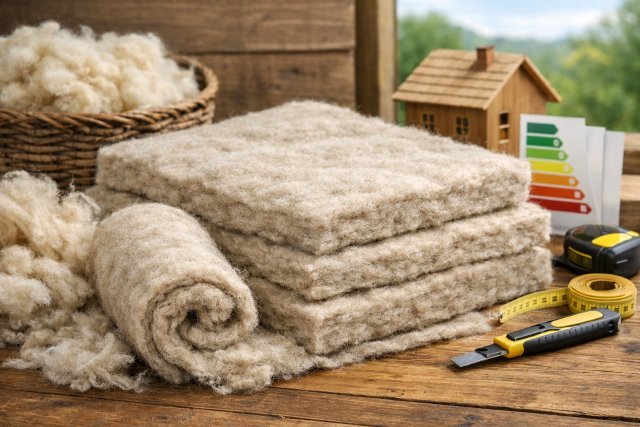
As homeowners and builders increasingly prioritize sustainability, indoor air quality, and long-term comfort, Wollmatten have emerged as a powerful natural insulation solution. Made primarily from sheep’s wool, Wollmatten combine thermal insulation, moisture regulation, and acoustic comfort in a single eco-friendly material.
- What Are Wollmatten?
- Key Benefits of Wollmatten
- Common Uses of Wollmatten
- Wollmatten vs. Conventional Insulation Materials
- Buying Tips: How to Choose the Right Wollmatten
- Installation Tips for Best Performance
- Frequently Asked Questions About Wollmatten
- Real-World Example: Eco Home Renovation
- Conclusion: Are Wollmatten Worth It?
Unlike synthetic insulation products, Wollmatten work with nature rather than against it. They regulate humidity, absorb pollutants, and maintain insulation performance over time. This guide explains what Wollmatten are, how they work, where they are used, and how to choose the right product for your project.
Whether you are renovating a home, building sustainably, or simply exploring healthier materials, this comprehensive guide will help you make an informed decision.
What Are Wollmatten?
Wollmatten are insulation mats made from natural sheep’s wool fibers that are mechanically bonded into dense yet flexible panels. These mats are typically treated with natural salts (such as boron compounds) to enhance fire resistance and protect against pests.
Sheep’s wool has been used for insulation for centuries, but modern Wollmatten are engineered to meet current building standards while preserving the material’s natural advantages.
At a microscopic level, wool fibers contain air pockets that trap heat. This structure allows Wollmatten to insulate effectively in both cold and warm climates, making them suitable for year-round use.
Key Benefits of Wollmatten
Excellent Thermal Insulation
Wollmatten provide a thermal conductivity (lambda value) of approximately 0.035–0.040 W/mK, which is comparable to mineral wool insulation. What sets Wollmatten apart is their ability to maintain insulation performance even under fluctuating humidity conditions.
According to research published by the German Federal Environment Agency, natural insulation materials like sheep’s wool demonstrate stable thermal performance over time due to their hygroscopic properties.
Natural Moisture Regulation
One of the most unique advantages of Wollmatten is their ability to absorb and release moisture without losing insulating power. Wool can absorb up to 30% of its own weight in moisture while remaining dry to the touch.
This helps prevent condensation, mold growth, and structural damage — especially in roofs, timber constructions, and older buildings.
The Wool Research Organisation of New Zealand confirms that wool fibers naturally regulate indoor humidity, improving comfort and building durability.
Improved Indoor Air Quality
Wollmatten actively improve indoor air quality. Wool fibers bind and neutralize airborne pollutants such as formaldehyde, nitrogen dioxide, and sulfur dioxide.
A study published in Building and Environment found that wool-based materials significantly reduced indoor formaldehyde concentrations over extended periods.
This makes Wollmatten particularly suitable for bedrooms, children’s rooms, and allergy-sensitive environments.
Acoustic Insulation and Noise Reduction
Thanks to their fibrous structure, Wollmatten also provide excellent sound absorption. They reduce airborne noise and impact sound, making interior spaces quieter and more comfortable.
This property is especially useful in:
- Apartment buildings
- Home offices
- Recording studios
- Timber-frame houses
Sustainable and Renewable Material
Sheep’s wool is a rapidly renewable resource. Sheep regrow their fleece annually, making Wollmatten one of the most sustainable insulation options available.
Compared to synthetic insulation, Wollmatten require less energy to produce and are fully biodegradable at the end of their lifecycle. According to the International Wool Textile Organisation, wool insulation has a significantly lower carbon footprint than petrochemical alternatives.
Common Uses of Wollmatten
Roof and Attic Insulation
Wollmatten are widely used for roof insulation due to their moisture-handling capabilities. They help prevent condensation in pitched roofs and maintain stable temperatures throughout the year.
Wall Insulation
In both internal and external walls, Wollmatten provide thermal and acoustic comfort while supporting vapor-open construction methods.
Floor and Ceiling Insulation
When installed under floors or between ceiling joists, Wollmatten reduce heat loss and footstep noise, improving overall living comfort.
Tiny Homes and Sustainable Buildings
Eco-homes, passive houses, and tiny homes often rely on Wollmatten because they align perfectly with sustainable building principles and natural material cycles.
Wollmatten vs. Conventional Insulation Materials
Compared to fiberglass or foam insulation, Wollmatten offer clear advantages in comfort and health. While mineral wool may be cheaper upfront, it does not regulate moisture or improve air quality.
Synthetic foams provide high insulation values but rely on fossil fuels and can emit volatile organic compounds (VOCs). Wollmatten, by contrast, are breathable, non-toxic, and safe to handle without protective gear.
Buying Tips: How to Choose the Right Wollmatten
Check Density and Thickness
Higher-density Wollmatten provide better acoustic performance, while thicker mats increase thermal resistance. Match thickness to your climate zone and building requirements.
Fire and Pest Treatment
Ensure the Wollmatten are treated with approved fire retardants and moth protection. Most reputable manufacturers use environmentally safe treatments.
Certification and Standards
Look for certifications such as:
- Natureplus
- Cradle to Cradle
- CE marking
These indicate quality, safety, and environmental responsibility.
Price Considerations
Wollmatten typically cost more than conventional insulation, but they deliver long-term value through durability, comfort, and reduced health risks.
Installation Tips for Best Performance
Wollmatten are easy to install and can be cut with a standard insulation knife. They should fit snugly without compression to maintain optimal performance.
Always combine Wollmatten with a vapor-open building strategy to fully benefit from their moisture-regulating properties.
For professional guidance, consult a building biologist or sustainable construction expert.
Frequently Asked Questions About Wollmatten
Are Wollmatten suitable for humid climates?
Yes. Wollmatten excel in humid environments because they regulate moisture naturally and prevent condensation.
Do Wollmatten attract insects?
No. Properly treated Wollmatten are resistant to moths and pests.
How long do Wollmatten last?
With correct installation, Wollmatten can last 50 years or more without losing effectiveness.
Are Wollmatten safe for allergy sufferers?
Yes. Wollmatten do not release harmful fibers and actively reduce airborne pollutants.
Real-World Example: Eco Home Renovation
A 2023 renovation project in Bavaria replaced mineral wool with Wollmatten in a timber-framed house. After one year, indoor humidity stabilized between 45–55%, heating costs dropped by 18%, and occupants reported improved sleep quality and air freshness.
This real-world scenario highlights how Wollmatten deliver measurable comfort improvements beyond energy efficiency.
Conclusion: Are Wollmatten Worth It?
Wollmatten are more than just insulation — they are an investment in comfort, health, and sustainability. Their ability to regulate temperature, control moisture, reduce noise, and purify indoor air makes them one of the most well-rounded insulation solutions available today.
While the upfront cost may be higher, the long-term benefits in durability, energy savings, and indoor well-being clearly outweigh the initial investment. If you are aiming for a healthier, more sustainable living environment, Wollmatten are a smart and future-proof choice.