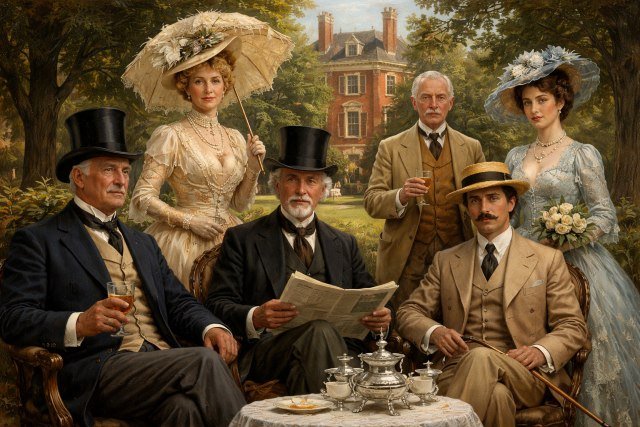
The phrase Boston Brahmin Types evokes images of old money, ivy-covered mansions, understated elegance, and a social class that has quietly shaped American culture for centuries. Rooted in New England’s colonial past, Boston Brahmins represent one of the most enduring aristocratic traditions in the United States. Unlike flashy modern wealth, their identity is built on lineage, education, and cultural refinement.
- What Are Boston Brahmins?
- The Evolution of Boston Brahmin Types
- Lifestyle of Boston Brahmin Types
- Social Circles and Networking
- Cultural Influence of Boston Brahmin Types
- Common Traits Across Boston Brahmin Types
- Boston Brahmin Types vs. New Money Elites
- Challenges Facing Boston Brahmin Types Today
- Are Boston Brahmins Still Relevant?
- FAQs About Boston Brahmin Types
- Real-World Example: The Cabot Family
- Actionable Insights: What You Can Learn from Boston Brahmin Types
- Conclusion
In today’s rapidly changing society, understanding Boston Brahmin types offers a fascinating lens into how heritage, privilege, and tradition intersect. This article dives deep into their origins, characteristics, lifestyle, and influence — uncovering what truly defines this unique American elite.
What Are Boston Brahmins?
Boston Brahmins are traditionally wealthy, old-stock New England families who trace their lineage back to early English settlers. The term “Brahmin” was popularized by author Oliver Wendell Holmes Sr. in the 19th century, comparing this elite group to the highest caste in India.
These families were not just wealthy; they were deeply influential in shaping politics, education, and culture in America. According to historical records from institutions like Harvard University and the Massachusetts Historical Society, many Boston Brahmins were instrumental in founding key American institutions.
Their defining traits include:
A strong emphasis on education, particularly at Ivy League schools
A commitment to civic duty and public service
A preference for understated wealth rather than ostentation
Deep-rooted family traditions and social networks
The Evolution of Boston Brahmin Types
Traditional Boston Brahmins
The original Boston Brahmin types emerged in the 18th and 19th centuries. Families like the Adams, Lowell, and Cabot dynasties dominated politics, finance, and academia. Their influence extended into nearly every major institution in Boston.
These traditional Brahmins adhered strictly to social codes. Marriages were often arranged within the same social circle, and maintaining family reputation was paramount.
Modern Boston Brahmins
In the 21st century, Boston Brahmin types have evolved significantly. While lineage still matters, modern Brahmins are more diverse in profession and outlook. Many have transitioned into global finance, technology, and academia.
Despite modernization, they still maintain core values such as intellectualism, discretion, and cultural sophistication.
Cultural Brahmins
Not all Boston Brahmins today are defined solely by bloodline. Some individuals adopt Brahmin-like traits through education, social behavior, and cultural alignment. These “cultural Brahmins” often emerge from elite universities and high-status professions.
This shift reflects a broader democratization of elite identity in America.
Lifestyle of Boston Brahmin Types
Education as a Cornerstone
Education is perhaps the most defining feature of Boston Brahmin types. Institutions like Harvard, Yale, and MIT have historically served as gateways into this elite circle.
According to data from the National Center for Education Statistics, graduates from Ivy League schools continue to dominate leadership roles in finance, politics, and academia. This reinforces the Brahmin emphasis on intellectual achievement.
Education is not just about degrees; it’s about cultivating a lifelong appreciation for literature, philosophy, and the arts.
Subtle Wealth and Minimalism
Unlike modern billionaires who showcase luxury, Boston Brahmins practice understated wealth. Their homes may be historic rather than extravagant, and their clothing leans toward classic styles rather than designer labels.
This concept aligns with what sociologists call “conspicuous non-consumption,” where wealth is signaled through restraint rather than display. Research published in the Journal of Consumer Research supports this behavior among old-money elites.
Social Etiquette and Manners
Boston Brahmin types are known for their refined manners and reserved demeanor. Loud displays of emotion or wealth are generally frowned upon.
Their communication style is often described as understated and indirect. This subtlety is part of what distinguishes them from newer elite groups.
Social Circles and Networking
Boston Brahmins maintain tight-knit social networks that often span generations. These networks are built through:
Family connections
Elite schools
Private clubs
Cultural institutions
Clubs like the Somerset Club in Boston have historically served as gathering places for Brahmins. Membership is highly exclusive and often requires lineage or strong social ties.
These networks play a crucial role in maintaining influence and passing down opportunities.
Cultural Influence of Boston Brahmin Types
Literature and Arts
Boston Brahmins have had a profound impact on American literature and the arts. Writers like Henry James and Ralph Waldo Emerson emerged from or were closely associated with Brahmin culture.
Their works often reflect themes of morality, intellectualism, and social responsibility.
Politics and Governance
Many early American leaders came from Brahmin families. John Adams and John Quincy Adams are prime examples. Their contributions helped shape the foundations of American democracy.
Even today, Brahmin influence can be seen in policy-making and public service.
Philanthropy and Institutions
Boston Brahmins have historically been major contributors to philanthropy. Institutions like the Boston Public Library and various universities owe much of their development to Brahmin patronage.
According to reports from organizations like the Council on Foundations, old-money families continue to play a significant role in charitable giving.
Common Traits Across Boston Brahmin Types
Boston Brahmin types share several defining characteristics that distinguish them from other elite groups.
They value tradition over trend, often preserving family customs for generations. Their approach to wealth is conservative, focusing on preservation rather than rapid expansion. Intellectual pursuits are prioritized over material success.
They also tend to have a strong sense of civic responsibility, often engaging in public service or philanthropy.
Boston Brahmin Types vs. New Money Elites
The contrast between Boston Brahmin types and new money elites is striking. While new wealth often emphasizes visibility and rapid growth, Brahmins prioritize stability and discretion.
This difference is not just financial but cultural. Boston Brahmins often view wealth as a responsibility rather than a status symbol.
Sociological studies, such as those published by Harvard Business Review, highlight how old-money families tend to focus on long-term legacy rather than short-term gains.
Challenges Facing Boston Brahmin Types Today
Declining Exclusivity
In a more inclusive society, the exclusivity that once defined Boston Brahmins is diminishing. Access to elite education and opportunities has expanded, making it harder to maintain traditional boundaries.
Cultural Shifts
Modern values emphasize diversity and innovation, which sometimes clash with Brahmin traditions. Younger generations often seek to redefine what it means to belong to this group.
Economic Changes
Globalization and technological advancements have shifted the sources of wealth and power. Silicon Valley entrepreneurs and global investors now rival traditional elites in influence.
Are Boston Brahmins Still Relevant?
Despite these challenges, Boston Brahmin types remain relevant. Their influence may be less visible, but it persists in institutions, culture, and social norms.
Their emphasis on education, ethics, and long-term thinking offers valuable lessons in a fast-paced world.
In many ways, they represent a counterbalance to the excesses of modern capitalism.
FAQs About Boston Brahmin Types
What defines Boston Brahmin types?
Boston Brahmin types are defined by lineage, education, cultural refinement, and a preference for understated wealth. They are traditionally old-money families from New England.
Do Boston Brahmins still exist today?
Yes, Boston Brahmins still exist, although their influence has evolved. Modern Brahmins may not always come from traditional lineages but share similar values and lifestyles.
How are Boston Brahmins different from other elites?
They differ primarily in their emphasis on discretion, tradition, and intellectualism rather than conspicuous wealth and rapid financial growth.
Can someone become a Boston Brahmin?
While historically based on lineage, modern interpretations allow individuals to adopt Brahmin-like traits through education, behavior, and cultural alignment.
Real-World Example: The Cabot Family
The Cabot family is often cited as a quintessential example of Boston Brahmin types. Their wealth dates back to early American trade, and they have maintained influence through education, philanthropy, and business.
The famous saying, “The Cabots speak only to God,” reflects their reserved nature and high social standing.
Actionable Insights: What You Can Learn from Boston Brahmin Types
Understanding Boston Brahmin types offers practical lessons that can be applied in everyday life. Their focus on education highlights the importance of continuous learning. Their understated approach to wealth suggests the value of financial discipline and long-term planning.
Their emphasis on manners and social etiquette underscores the importance of interpersonal skills in building lasting relationships.
Conclusion
The world of Boston Brahmin Types is a fascinating blend of history, culture, and enduring influence. From their origins in colonial New England to their modern evolution, they represent a unique form of American aristocracy.
While their exclusivity may be fading, their values — education, discretion, and civic responsibility — remain highly relevant. In a world often driven by instant gratification, Boston Brahmins offer a timeless model of thoughtful living and legacy-building.
Understanding Boston Brahmin types is not just about exploring an elite class; it’s about recognizing the deeper principles that have shaped generations of leadership and cultural development.