Active Cornering Enhancement is an advanced vehicle stability system designed to improve handling, reduce body roll, and provide greater control when driving through corners. Originally developed for premium SUVs and off-road vehicles, this technology helps drivers maintain confidence during sharp turns, sudden lane changes, and uneven road conditions.
- What Is Active Cornering Enhancement?
- How Active Cornering Enhancement Works
- Vehicles That Commonly Use Active Cornering Enhancement
- Key Benefits of Active Cornering Enhancement
- Active Cornering Enhancement vs Traditional Anti-Roll Bars
- Common Active Cornering Enhancement Problems
- Symptoms of an ACE System Failure
- Can You Drive with an Active Cornering Enhancement Fault?
- Diagnosing Active Cornering Enhancement Problems
- Active Cornering Enhancement Repair Costs
- Maintenance Tips to Extend ACE System Life
- Real-World Example of Active Cornering Enhancement
- Is Active Cornering Enhancement Worth It?
- Frequently Asked Questions
- Conclusion
As modern vehicles become more sophisticated, systems like Active Cornering Enhancement (ACE) play a major role in improving both safety and driving comfort. By using hydraulic or electronically controlled components, the system adjusts the vehicle’s suspension in real time, allowing it to remain more level while cornering. Whether you’re researching how the technology works, experiencing a warning light, or considering buying a vehicle equipped with ACE, understanding the system can help you make informed decisions.
What Is Active Cornering Enhancement?
Active Cornering Enhancement is an active suspension technology that minimizes body roll during cornering. Unlike traditional anti-roll bars that use fixed mechanical resistance, ACE dynamically changes the amount of force applied to the suspension depending on driving conditions.
When a vehicle enters a turn, centrifugal force naturally causes it to lean toward the outside of the corner. Excessive body roll reduces stability, affects steering precision, and can make passengers feel uncomfortable. Active Cornering Enhancement counteracts this movement by automatically applying additional force to the anti-roll bars through hydraulic actuators or electronic control systems.
The result is a flatter, more stable vehicle that maintains better tire contact with the road.
How Active Cornering Enhancement Works
The system combines several components that continuously communicate with one another.
Steering Angle Sensors
Steering sensors monitor how much the steering wheel is turned. This information helps determine whether the vehicle is entering a corner.
Vehicle Speed Sensors
Wheel speed sensors calculate how fast the vehicle is traveling. Higher speeds require greater suspension adjustments to maintain stability.
Lateral Acceleration Sensors
These sensors measure the side-to-side forces acting on the vehicle during turns. The greater the cornering force, the more aggressively the system responds.
Electronic Control Unit (ECU)
The ECU acts as the brain of the system. It analyzes sensor data hundreds of times per second and determines how much correction is needed.
Hydraulic or Electronic Actuators
Once the ECU calculates the required adjustment, actuators apply pressure to the anti-roll bars, reducing body roll almost instantly.
This entire process happens in fractions of a second without driver intervention.
Vehicles That Commonly Use Active Cornering Enhancement
Active Cornering Enhancement has been widely associated with premium SUVs, particularly those designed for both on-road comfort and off-road capability.
Examples include several generations of luxury SUVs equipped with advanced hydraulic suspension systems. Many manufacturers now offer similar technologies under different names, including adaptive stabilizer bars, dynamic roll stabilization, active anti-roll control, and electronic active suspension.
Although branding differs, the primary goal remains the same: improving handling while maintaining ride comfort.
Key Benefits of Active Cornering Enhancement
Drivers often notice improvements immediately after experiencing a vehicle equipped with ACE.
Improved Stability
Reducing body roll allows the vehicle to remain flatter during corners. This improves steering response and increases driver confidence.
Better Passenger Comfort
Passengers experience less side-to-side movement, making long journeys more comfortable.
Enhanced Safety
Maintaining better tire contact with the road improves traction during emergency maneuvers.
According to the U.S. National Highway Traffic Safety Administration (NHTSA), electronic stability and vehicle control technologies significantly reduce crash risk when combined with proper driving practices.
Superior Off-Road Performance
Many ACE-equipped SUVs automatically relax anti-roll stiffness during off-road driving. This allows greater wheel articulation over rocks and uneven terrain while maintaining stability on paved roads.
Improved Driver Confidence
Drivers often feel more in control during highway exits, winding mountain roads, and emergency lane changes.
Active Cornering Enhancement vs Traditional Anti-Roll Bars
Traditional anti-roll bars use fixed mechanical resistance.
Active Cornering Enhancement continuously adjusts resistance depending on driving conditions.
A conventional anti-roll bar provides consistent performance regardless of speed or road surface. While reliable, it represents a compromise between ride comfort and handling.
ACE eliminates much of that compromise by adapting in real time.
Common Active Cornering Enhancement Problems
Like any advanced automotive technology, Active Cornering Enhancement can develop faults over time.
Hydraulic Fluid Leaks
Hydraulic lines, seals, and valves may eventually wear out.
A small leak can reduce system pressure, causing warning messages or decreased performance.
Faulty Sensors
Damaged steering angle sensors or lateral acceleration sensors can send incorrect data to the ECU.
This often results in warning lights and reduced system operation.
Pump Failure
The hydraulic pump generates the pressure needed for the system.
If the pump becomes weak or fails completely, body roll may noticeably increase.
Worn Actuators
Hydraulic actuators perform thousands of adjustments throughout their service life.
Over time, internal seals may wear, reducing effectiveness.
Electrical Issues
Loose connectors, damaged wiring, or ECU faults can interrupt communication between components.
Modern diagnostic scanners are usually required to identify the exact cause.
Symptoms of an ACE System Failure
Drivers should watch for several warning signs.
One of the most common symptoms is an Active Cornering Enhancement warning light appearing on the dashboard.
Other symptoms include excessive body roll during turns, uneven vehicle handling, suspension warning messages, unusual hydraulic noises, and reduced cornering confidence.
Ignoring these symptoms can place additional stress on suspension components and may affect overall vehicle stability.
Can You Drive with an Active Cornering Enhancement Fault?
In many cases, the vehicle remains drivable after an ACE fault appears. However, the system may disable itself and revert to a basic suspension mode.
The vehicle will generally experience more body roll during turns, reducing handling performance. Drivers should avoid aggressive cornering and have the system inspected as soon as possible by a qualified technician.
Continued driving with hydraulic leaks or pump failures may lead to additional repair costs.
Diagnosing Active Cornering Enhancement Problems
Diagnosing an Active Cornering Enhancement (ACE) issue begins with identifying the symptoms and retrieving any diagnostic trouble codes (DTCs). Modern vehicles equipped with ACE continuously monitor the system through onboard sensors, making it easier for technicians to pinpoint faults using a professional scan tool.
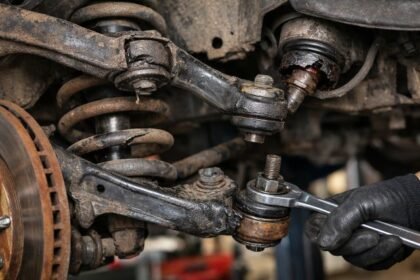
A visual inspection is often the first step. Mechanics check hydraulic hoses, connectors, pumps, actuators, and the reservoir for leaks or signs of wear. Even a minor hydraulic fluid leak can reduce system pressure and affect suspension performance.
Next, the technician inspects the electrical components. Faulty wiring, damaged connectors, or failed sensors can prevent the electronic control unit (ECU) from receiving accurate information. In many cases, replacing a failed sensor restores the system without major repairs.
If the hydraulic system is suspected, pressure testing helps determine whether the pump is producing sufficient pressure. Low pressure may indicate a worn pump, leaking actuator, or faulty control valve.
Active Cornering Enhancement Repair Costs
Repair costs vary significantly depending on the vehicle model, the failed component, and labor rates in your region.
Replacing a steering angle sensor or wheel speed sensor is generally one of the least expensive repairs. Hydraulic hose replacements are moderately priced but can become more costly if multiple lines require replacement.
More complex repairs involve replacing the hydraulic pump, valve block, or actuators. These components often require specialized tools and calibration after installation, increasing labor costs.
Luxury SUVs equipped with sophisticated hydraulic suspension systems typically have higher repair costs than standard passenger vehicles. Purchasing quality replacement parts and having repairs performed by experienced technicians can improve long-term reliability.
Maintenance Tips to Extend ACE System Life
Although Active Cornering Enhancement systems are designed for durability, regular maintenance helps prevent costly failures.
Inspect the hydraulic system during routine servicing. Small leaks often develop gradually and are easier to repair before they become major problems.
Use only the manufacturer-recommended hydraulic fluid. Mixing incompatible fluids can damage seals, reduce lubrication, and affect system performance.
Pay attention to dashboard warning lights. Addressing an ACE warning promptly can prevent additional damage to pumps, actuators, or electronic components.
Have the suspension inspected periodically, especially if the vehicle is frequently driven off-road or used for towing. Heavy loads place additional stress on suspension components.
Finally, keep the vehicle’s software updated when manufacturer updates are available. Some updates improve system calibration and resolve known electronic issues.
Real-World Example of Active Cornering Enhancement
Imagine driving a large SUV on a winding mountain road. Without Active Cornering Enhancement, the vehicle naturally leans toward the outside of each corner. This body roll can make steering feel less precise and reduce passenger comfort.
With ACE active, sensors detect the steering angle, vehicle speed, and lateral acceleration almost instantly. The control unit commands the hydraulic actuators to apply force to the anti-roll bars, keeping the vehicle significantly flatter throughout the turn.
The result is a smoother, more controlled driving experience with improved stability and greater driver confidence.
Is Active Cornering Enhancement Worth It?
For many drivers, the answer is yes.
Large SUVs and luxury vehicles have a higher center of gravity, making them more prone to body roll during cornering. Active Cornering Enhancement helps offset this characteristic by improving handling without sacrificing ride comfort.
Drivers who regularly travel on highways, winding roads, or uneven terrain often notice the greatest benefits. Families also appreciate the smoother ride, while off-road enthusiasts benefit from improved wheel articulation on challenging trails.
Although repairs can be expensive, many owners consider the enhanced stability, comfort, and safety well worth the investment.
Frequently Asked Questions
What does Active Cornering Enhancement do?
Active Cornering Enhancement reduces body roll during turns by automatically adjusting the force applied to the vehicle’s anti-roll bars. This improves handling, stability, and passenger comfort.
Can I drive with an Active Cornering Enhancement warning light?
Most vehicles remain drivable, but the system may disable itself and revert to a conventional suspension mode. Handling may feel less stable, especially during sharp turns. It’s best to have the vehicle inspected as soon as possible.
What causes an Active Cornering Enhancement fault?
Common causes include hydraulic fluid leaks, failed sensors, worn actuators, pump failures, damaged wiring, or electronic control module issues.
Is Active Cornering Enhancement the same as electronic stability control?
No. Electronic Stability Control (ESC) helps prevent skidding by selectively applying brakes and reducing engine power. Active Cornering Enhancement focuses on reducing body roll through the suspension system. Together, they improve overall vehicle safety and handling.
How often should the ACE system be serviced?
There is no universal service interval. Follow the maintenance schedule in your vehicle’s owner’s manual and inspect the hydraulic system during regular servicing. Promptly repairing leaks or warning lights can help extend the system’s lifespan.
Conclusion
Active Cornering Enhancement is one of the most effective suspension technologies developed to improve vehicle handling, stability, and ride comfort. By continuously adjusting suspension forces in response to steering input, speed, and cornering loads, it helps keep vehicles level and composed in situations where traditional anti-roll bars reach their limits.
While the system adds complexity and can lead to higher repair costs if components fail, its advantages often outweigh these drawbacks for drivers who value confident handling and enhanced safety. Regular inspections, timely maintenance, and prompt attention to warning lights can significantly extend the lifespan of the system.
Whether you’re considering purchasing a vehicle equipped with Active Cornering Enhancement or troubleshooting an existing issue, understanding how the technology works enables smarter maintenance decisions and helps you get the most from your vehicle. As automotive suspension systems continue to evolve, Active Cornering Enhancement remains an excellent example of how engineering innovation can deliver both improved performance and everyday driving comfort.