A quality car cleaning kit is one of the easiest ways to keep your vehicle looking newer, protect your paint, and prevent interior wear — without paying for professional detailing every month. The right kit saves time too, because you’ll have everything you need in one place instead of buying random products that don’t work well together.
- What Is a Car Cleaning Kit?
- What Makes a Car Cleaning Kit “Actually Work”?
- Affordable Car Cleaning Kit Picks That Work
- The Smart Budget Strategy: Start With a Kit, Then Upgrade Two Items
- The Two-Bucket Method
- Why Microfiber Matters More Than Any Cleaner
- What a Complete Car Cleaning Kit Should Include
- Affordable Car Cleaning Kit Comparison Table
- Step-by-Step: How to Use a Car Cleaning Kit Like a Pro
- The 7 Biggest Mistakes People Make With Car Cleaning Kits
- Environmental Note: Where You Wash Matters
- FAQ: Car Cleaning Kit Questions
- Conclusion: The Best Affordable Car Cleaning Kit Is the One You’ll Actually Use
What most people don’t realize is that results don’t depend on price alone. Even affordable options can perform extremely well if they include the right essentials, especially microfiber towels, safe wash tools, and a basic protection product like wax or sealant. Industry pricing examples show many complete kits around the $50 range, while premium kits can cost significantly more depending on brand and included tools.
What Is a Car Cleaning Kit?
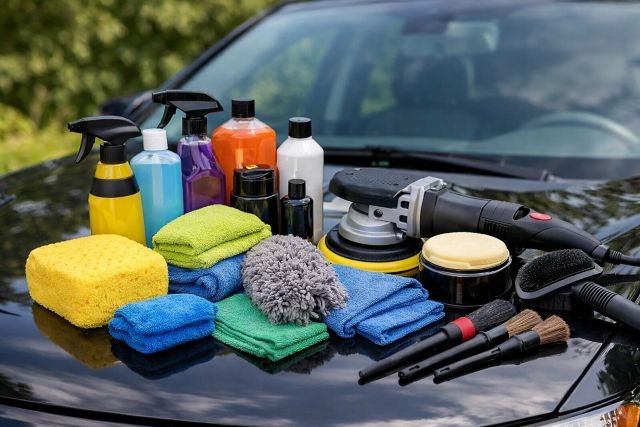
A car cleaning kit is a collection of products and tools designed to clean and protect a car’s interior and exterior. Most kits include car shampoo, microfiber towels, interior cleaner, wheel care products, and some form of paint protection such as wax or sealant.
The best kits don’t only include cleaning liquids. They also include tools that reduce the risk of scratches, prevent streaking, and make cleaning faster and safer.
What Makes a Car Cleaning Kit “Actually Work”?
Many people buy a kit and still end up with streaky glass, dull paint, dusty interiors, and swirl marks that look worse under sunlight. That’s not always because the kit is “bad,” but because it doesn’t include the right combination of items for safe cleaning.
A kit works best when it includes safe washing tools, enough microfiber towels for different surfaces, a cleaner designed for interior plastics and vinyl, a dedicated wheel and tire solution, and a protection product that makes the shine last longer. If a kit includes only one or two towels or expects you to use the same cloth for wheels and paint, it usually leads to contamination and scratches. A kit is also less effective if it skips protection entirely because clean paint looks good briefly, but protected paint stays glossy longer.
Affordable Car Cleaning Kit Picks That Work
Instead of buying the biggest kit you can afford, it’s smarter to choose based on how you use your vehicle and what bothers you most.
If you want an all-in-one car cleaning kit, the best affordable option is one that covers both interior and exterior basics while still providing a real protectant product. A good budget all-in-one kit should include wash shampoo, microfiber towels, interior cleaner, wheel cleaner, an applicator pad, and either wax or a spray sealant. The biggest weakness in affordable “complete” kits is usually towel quality and towel quantity, which is why many people get mediocre results even with decent liquids.
If your biggest issue is interior mess from kids, pets, food, or rideshare use, an interior-focused kit is usually more valuable than a large exterior kit. These kits should prioritize an interior-safe cleaner that doesn’t leave greasy shine, a glass cleaner that doesn’t haze, and detailing brushes that reach vents and seams. Interior cleaning success often comes down to tools rather than stronger chemicals, which is why brushes and microfiber matter so much here.
If you care most about exterior gloss and paint protection, a wash-and-protect kit is the best budget approach. These kits should include a pH-balanced wash, a wash mitt, a drying towel, and a wax or sealant step. Exterior results depend heavily on technique, and the right drying towel alone can drastically reduce swirl marks and water spotting.
The Smart Budget Strategy: Start With a Kit, Then Upgrade Two Items
Here’s the truth that most “top picks” articles skip: affordable kits are often good enough, but they nearly always need one or two upgrades to deliver truly satisfying results. The most valuable upgrades are additional microfiber towels and a safer washing method.
The biggest reason DIY car washing causes damage is because dirt gets rubbed back into the paint. That’s why detailing experts frequently recommend the two-bucket method, which separates rinse water from wash water and reduces the chance of grit returning to your wash mitt.
With a basic kit plus extra microfiber towels and a safer wash setup, you can outperform many premium kits that rely on fancy branding more than complete tool quality.
The Two-Bucket Method
The two-bucket wash method is simple: one bucket holds clean rinse water, and the other holds soap water. You wash a panel, rinse your mitt in the rinse bucket, then reload with soap water. This reduces contamination and helps protect paint from micro-scratches and swirl marks.
Even if you’re working on a tight budget, two buckets and a rinse habit can dramatically improve results compared to washing with one bucket where dirt keeps mixing back into your soap.
Why Microfiber Matters More Than Any Cleaner
Microfiber is the quiet hero of every great car cleaning kit. It lifts dirt into the fibers and reduces friction, which helps prevent scratches and swirl marks. Many people blame microfiber towels for damage, but experts often point to misuse and poor care as the actual cause. Microfiber that is washed with fabric softener, used on wheels and then reused on paint, or dropped on the ground becomes abrasive and risky.
If you improve just one thing about a budget kit, improve your microfiber towels and keep them separated by surface type. The difference in shine, streaking, and paint safety is immediate.
What a Complete Car Cleaning Kit Should Include
A complete kit should make it easy to wash, dry, clean wheels, clean the interior, and add paint protection. If a kit misses one of these steps, it can still be useful, but you’ll likely need to buy something extra to finish the job properly.
For exterior cleaning, shampoo, a wash mitt, a drying towel, wheel cleaner, and tire dressing are core essentials. For interior, a non-greasy interior cleaner, microfiber cloths, a glass cleaner, and at least one detailing brush are the most valuable items for real results.
Affordable Car Cleaning Kit Comparison Table
| Feature | Budget Kits | Mid-Range Kits | Premium Kits |
|---|---|---|---|
| Microfiber quality | Often basic | Usually improved | Plush and high GSM |
| Tool variety | Limited | More balanced | High variety |
| Paint protection | Basic spray wax | Better sealants | Advanced coatings |
| Interior tools | Minimal | Brushes included | Full interior kits |
| Best for | Quick cleaning | Most drivers | Enthusiasts |
The key takeaway is that budget kits can do an excellent job when paired with good microfiber and safe washing technique. Premium kits often add convenience and better materials, but they don’t automatically guarantee better results if you wash incorrectly.
Step-by-Step: How to Use a Car Cleaning Kit Like a Pro
Start with a rinse to remove loose dirt before touching the paint. Wash top to bottom to avoid dragging heavy grime across cleaner panels. Always clean wheels last and use separate tools for them, since brake dust is abrasive and contaminates paint towels quickly.
Dry the vehicle carefully, because drying is where most swirl marks happen. Use a clean drying towel and avoid pressing hard. Once dry, apply wax or sealant to protect the paint and make future washes easier. Finish with interior cleaning and glass last so you don’t accidentally leave dust on freshly cleaned windows.
The 7 Biggest Mistakes People Make With Car Cleaning Kits
The most common mistake is using dish soap, which can strip protection and dry out trims. Another mistake is using one towel across the entire car, which spreads contamination from wheels and lower panels onto paint. Old cotton rags are also risky because they can trap grit and create scratches.
Many people apply shiny dressings to dashboards, creating a greasy look and sometimes glare. Skipping protection is also a big one, because your results won’t last as long without a wax or sealant layer. Overusing product is another waste; correct dilution and proper technique matter more than pouring extra cleaner. Finally, washing in full sun makes products dry too quickly, which causes streaking and water spots.
Environmental Note: Where You Wash Matters
Outdoor driveway washing can send contaminants into storm drains, including oils, metals, and cleaning agents. The U.S. EPA notes that car wash runoff can contain pollutants like hydrocarbons and metals and may enter storm drains and waterways.
If you want a more responsible routine, consider using commercial car washes that treat wastewater or wash on appropriate surfaces where runoff is less likely to flow directly into drains. Stormwater programs also warn that driveway washing can contribute to pollution.
FAQ: Car Cleaning Kit Questions
What should a car cleaning kit include?
A good car cleaning kit should include car shampoo, microfiber towels, a wash mitt, an interior cleaner, wheel care products, and a protectant like wax or sealant.
Are cheap car cleaning kits worth it?
Yes, many affordable kits work well, but they often need extra microfiber towels and a safe wash method to deliver the best results.
How do I avoid swirl marks?
Swirl marks are usually caused by rubbing dirt into the paint. Using the two-bucket wash method and quality microfiber towels reduces risk significantly.
How often should I wash my car?
Most drivers benefit from washing every two weeks. Weekly washing is better in dusty areas, coastal regions, or places with road salt.
Can I wash a car without a hose?
Yes, rinseless and waterless wash products can work for light dirt when paired with clean microfiber towels, but they require careful technique.
Conclusion: The Best Affordable Car Cleaning Kit Is the One You’ll Actually Use
A great car cleaning kit doesn’t have to be expensive — it just has to be complete, safe, and practical. If your kit has good microfiber, safe washing tools, a reliable interior cleaner, and a simple protection step, you can get professional-looking results at home.
The smartest approach is choosing a kit that fits your real needs, then upgrading microfiber towels and improving your wash method. With that setup, you’ll keep your car cleaner for longer, protect your paint, and avoid common mistakes that make cheap kits look ineffective.