Why beef liver tastes “strong” and how to fix it
People usually dislike beef liver for three reasons: bitterness, a metallic “minerally” flavor, and a dry, crumbly texture when it’s overcooked. The good news is that each problem has a simple fix.
- Why beef liver tastes “strong” and how to fix it
- Beef liver nutrition: why so many people want to like it
- Choosing beef liver that won’t fight you
- The prep step that changes everything
- Beef liver recipe: classic onions-and-pan-sauce method
- “Why is my beef liver tough?”
- Flavor upgrades that still taste “normal” to picky eaters
- How often should you eat beef liver?
- Beef liver and cholesterol: should you worry?
- FAQ: beef liver recipe questions people actually ask
- Conclusion: beef liver can taste great with the right method
Bitterness and that strong “livery” punch often come from a combination of how liver is handled and how it’s seasoned. Liver is rich in iron-containing compounds and fat-soluble vitamins, and it has a distinct aroma that intensifies when cooked too long. Texture problems, on the other hand, almost always come from heat management. Liver goes from tender to chalky fast, because it’s lean and delicate compared with steak.
So the “best way” to make beef liver taste good is not a secret spice blend. It’s a method: clean trimming, optional soaking, high-heat quick sear, and a rich topping (like onions or a simple pan sauce) that balances the flavor.
Beef liver nutrition: why so many people want to like it
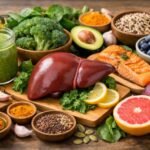
Beef liver has a reputation as a “superfood,” and that’s not just hype. USDA FoodData Central is one of the main authoritative references for nutrient composition data in the U.S. Liver is especially known for being extremely high in vitamin A and vitamin B12, plus iron and protein.
That said, it’s also important to treat liver like a “power tool” in your diet rather than an everyday staple. Vitamin A in liver is largely preformed vitamin A (retinol), which can build up in the body. The NIH Office of Dietary Supplements explains vitamin A recommendations and tolerable upper intake levels (UL), and notes that the UL is meant to be the maximum daily intake unlikely to cause adverse effects. Harvard’s Nutrition Source also highlights a tolerable upper intake of 3,000 mcg/day for preformed vitamin A and discusses risks of too much preformed vitamin A.
Practical takeaway: beef liver can be a fantastic occasional food, especially if you’re trying to boost iron or B12, but it’s smart to keep portions moderate and frequency reasonable, particularly for people who are pregnant or trying to conceive.
Choosing beef liver that won’t fight you
If you’ve only tried liver once and hated it, there’s a good chance the cut or freshness was working against you.
Fresh beef liver should look moist and glossy, not dried out, and it should have a clean, mild smell. If the aroma hits you as sharply metallic or sour, skip it. For beginners, calf liver (veal liver) is often milder and more tender, but a good-quality beef liver can still be delicious when handled correctly.
Ask the butcher to remove the outer membrane if possible. That membrane tightens during cooking and can make even a well-cooked liver feel chewy. If you’re buying packaged liver, plan on trimming it yourself.
The prep step that changes everything
Trimming: the non-negotiable move
Before you cook beef liver, trim away visible connective tissue and any thick veins. Then peel off the thin outer membrane if it’s still on. This one step dramatically improves tenderness and reduces that “rubbery edge” people blame on liver itself.
If you’re new to trimming, chill the liver in the freezer for 15–20 minutes. Slight firmness makes it easier to slice cleanly without tearing.
Should you soak beef liver in milk?
Soaking is optional, but it can help if you’re sensitive to the flavor. The goal isn’t to “remove toxins” (that’s a common myth). The goal is simply to mellow the taste and improve the eating experience.
Milk is popular because it can soften harsh notes and reduce perceived bitterness. If you don’t do dairy, cold salted water works, and some cooks like a quick soak in water with a splash of lemon. Keep it short, then pat the liver very dry so it sears instead of steaming.
The “dry it well” part is more important than the soaking choice. Wet liver won’t brown properly, and browning is where the deliciousness comes from.
Beef liver recipe: classic onions-and-pan-sauce method
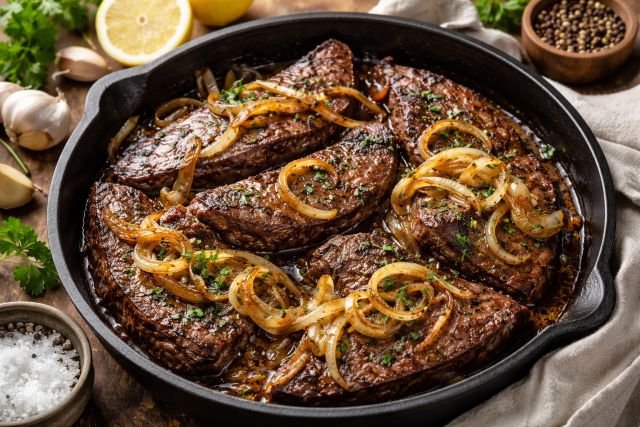
This is the version I recommend when someone says, “I want the best way to make beef liver taste good.” It’s fast, forgiving, and it uses flavors that naturally flatter liver: sweetness from onions, richness from butter, and a little acidity at the end.
Ingredients that matter (and why they matter)
Use sliced onions because they bring sweetness and aroma that counterbalance liver’s intensity. Butter and a small amount of oil help browning and give you a silky sauce. A little flour (or starch) helps form a light coating that browns quickly and protects the exterior from drying out.
For seasoning, salt is essential. Black pepper works well. Paprika adds warmth without overpowering. If you like a deeper profile, add a pinch of cumin or a touch of garlic, but don’t bury the liver in loud spices the first time. You want “balanced,” not “masked.”
How to cook it so it stays tender
Start with a heavy pan and preheat it properly. Liver likes a hot pan and a short cook. When the pan isn’t hot enough, liver releases moisture, turns gray, and gets that stewed taste that makes people swear it’s “gross.”
Cook the onions first. You want them golden and soft, because undercooked onions won’t give you the sweetness payoff. Once the onions are ready, move them aside and keep their flavorful fat in the pan.
Now cook the liver quickly. Sear on the first side until you see a good brown crust forming. Flip and cook briefly on the second side. You’re aiming for cooked-through but still juicy, not dry and chalky. The difference between tender liver and tough liver is often just a minute or two.
When the liver is done, return the onions and build a quick pan sauce. A splash of broth or water loosens the browned bits in the pan (that’s flavor). A small splash of vinegar or lemon at the very end brightens everything and reduces the “metallic” impression.
If you want a more comfort-food vibe, add a spoon of plain yogurt or sour cream off the heat for a creamy finish, or simmer the sauce slightly longer for a light gravy feel.
Safe cooking note
For food safety, follow trusted guidance on safe minimum internal temperatures. USDA’s Food Safety and Inspection Service provides a safe temperature chart used widely as a reference for cooking meat safely. If you’re serving someone who is pregnant, immunocompromised, or otherwise higher-risk, it’s especially important to cook meat thoroughly and handle it carefully.
“Why is my beef liver tough?”
Most tough liver is overcooked liver. Liver doesn’t behave like steak where you can “rest it and it softens.” Once it tightens and dries, it stays that way.
The fix is to reduce time and increase heat. Use thinner slices, make sure the pan is hot, and keep the cook short. Another sneaky culprit is untrimmed membrane. If you bite through a chewy edge, it’s often that outer skin contracting.
If you’ve already cooked it too long, salvage it by slicing it thin and serving it with extra sauce. The sauce won’t magically rehydrate the center, but it will make each bite feel more tender and flavorful.
Flavor upgrades that still taste “normal” to picky eaters
If you’re cooking for someone who thinks they hate beef liver, aim for familiar flavors rather than “health food” vibes.
Caramelized onions are the easiest upgrade because they add sweetness. A little mustard in the pan sauce gives tang that balances richness. A small amount of tomato paste browned briefly in the pan can add a meaty depth that makes the dish taste more like a classic savory skillet dinner.
If you like Middle Eastern or South Asian flavors, try finishing the sauce with a touch of lemon and a pinch of ground coriander. Keep it subtle so the dish still tastes approachable.
How often should you eat beef liver?
This is where balance matters. Liver is nutrient-dense, but it’s also one of the richest foods for preformed vitamin A. NIH explains how vitamin A is measured and provides guidance on intake, including the concept of an upper limit to avoid toxicity. Harvard’s Nutrition Source similarly notes the tolerable upper intake for preformed vitamin A and discusses potential risks of excessive intake.
A practical, food-first approach is to treat beef liver as an occasional meal rather than a daily routine. If you’re already taking supplements with vitamin A (especially retinol) or you’re pregnant, it’s wise to consult a clinician about what’s appropriate for you.
Beef liver and cholesterol: should you worry?
Beef liver contains cholesterol, and some nutrition databases highlight that it’s relatively high. Cholesterol in foods affects people differently, and overall dietary pattern and cardiovascular risk matter a lot.
If you’re managing elevated LDL cholesterol, consider the bigger picture: portion size, how often you eat it, and what else is on the plate. The American College of Cardiology discusses dietary approaches for elevated LDL-C and the importance of assessing cardiovascular risk. For many people, enjoying liver occasionally within an overall balanced diet is very different from eating it frequently in large portions.
FAQ: beef liver recipe questions people actually ask
How do I make beef liver taste good if I hate the smell?
Start with freshness and trimming. The smell gets stronger when liver is old or when the outer membrane and connective tissue are left on. Pat it very dry, use a hot pan for a quick sear, and finish with onions plus a small splash of acid (lemon or vinegar) in the sauce.
Do I have to soak beef liver in milk?
No, but it can help mellow the flavor for beginners. The bigger win is drying the surface well so it browns properly. If you skip soaking, just focus on trimming, hot pan sear, and a flavorful topping.
What’s the best seasoning for beef liver?
Salt, black pepper, and paprika are a great starter set because they support the flavor without turning it into a spice experiment. Onions are the real “seasoning” that makes most people change their mind.
How do I know when beef liver is done?
Texture is the easiest guide. It should feel tender and juicy, not crumbly or dry. The outside should be browned, and the inside should be cooked through but not chalky. If you’re cooking for someone higher-risk, use a thermometer and follow safe cooking guidance from USDA FSIS.
Can kids eat beef liver?
In small portions occasionally, it can be a nutrient-dense food, but because it’s so high in preformed vitamin A, it’s smart to keep portions modest and frequency low. For personalized guidance, especially for young children or if supplements are involved, check with a pediatric clinician.
Conclusion: beef liver can taste great with the right method
A great beef liver dinner isn’t about forcing yourself to “eat healthy.” It’s about cooking it in a way that respects what liver is: delicate, fast-cooking, and naturally bold. Trim it well, keep it dry, sear it hot and quick, and pair it with sweet onions and a simple pan sauce. When you do that, beef liver stops tasting like a dare and starts tasting like a real, satisfying meal you’ll actually want again.