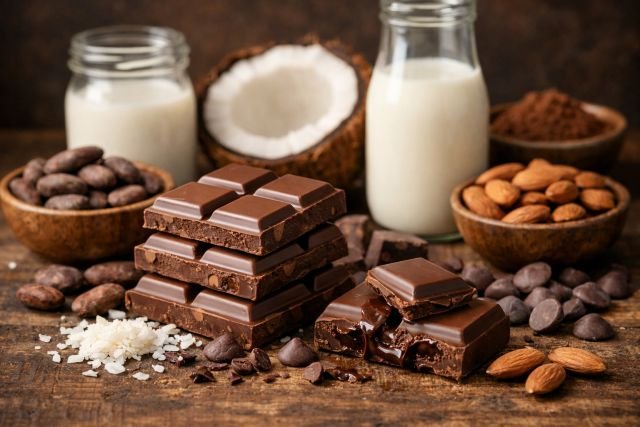
Dairy free chocolate has moved from a specialty product into a mainstream favorite. You can now find it in supermarkets, bakeries, coffee shops, and premium gift collections. People choose dairy free chocolate for many reasons: lactose intolerance, milk allergy, vegan lifestyles, or simply a desire for cleaner ingredient lists. Whatever the motivation, the best dairy-free options deliver a rich, smooth chocolate experience that’s every bit as satisfying as traditional chocolate.
- What Is Dairy Free Chocolate?
- Dairy Free Chocolate vs Dark Chocolate: Are They the Same?
- Why Dairy Free Chocolate Is the Perfect Treat for Everyone
- How Dairy Free Chocolate Stays Creamy Without Milk
- Types of Dairy Free Chocolate You Can Enjoy
- Dairy Free Chocolate and Allergies: What You Must Know
- Is Dairy Free Chocolate Healthier?
- Sustainability and Ethical Benefits of Dairy Free Chocolate
- How to Choose the Best Dairy Free Chocolate
- Ways to Enjoy Dairy Free Chocolate in Everyday Life
- FAQ: Dairy Free Chocolate
- Conclusion: Dairy Free Chocolate Truly Is for Everyone
This shift is driven by more than trend culture. Lactose intolerance is very common worldwide, and consumers are increasingly buying plant-based foods for health, environmental, and ethical reasons. That makes dairy free chocolate one of the most inclusive treats on the market today.
In this article, you’ll learn what dairy free chocolate is, how it’s made, how it compares to dark chocolate, why it benefits so many different people, and how to choose the best products with confidence.
What Is Dairy Free Chocolate?
Dairy free chocolate is chocolate made without milk-based ingredients, including milk powder, whey, lactose, and casein. Traditional milk chocolate relies on dairy for creaminess and sweetness, but dairy free chocolate recreates the same smooth feel using cocoa butter and plant-based alternatives.
Most dairy-free chocolate is made with cocoa mass, cocoa butter, sugar, and natural emulsifiers such as sunflower lecithin. Some versions include oat milk powder, coconut milk powder, almond milk, or rice milk ingredients to mimic the creamy character of milk chocolate without using animal-derived dairy.
If you want the simplest definition, here it is: dairy free chocolate is chocolate that contains no milk ingredients and uses plant-based replacements for creaminess.
Dairy Free Chocolate vs Dark Chocolate: Are They the Same?
Many people assume dark chocolate is automatically dairy-free. That is not always true. While many dark chocolate bars contain only cocoa solids, cocoa butter, and sugar, some dark chocolate still includes milk fat or milk-derived additives in small amounts. Others may be produced in facilities that also process milk chocolate, which creates the risk of cross-contact.
The FDA has investigated products labeled “dairy-free” and found that some still contained milk allergens, which highlights why label reading and manufacturer transparency matter.
If you need to avoid milk for allergy reasons, you should look beyond the cocoa percentage and confirm that no milk ingredients are listed and that cross-contact risk is clearly communicated.
Why Dairy Free Chocolate Is the Perfect Treat for Everyone
Dairy free chocolate works for an incredibly wide range of people, which is exactly why it has become such a powerful category in modern snacking and dessert culture. It solves a real problem without sacrificing taste.
For people with lactose intolerance, dairy free chocolate can make chocolate enjoyable again. Many research summaries estimate that around 65–70% of the global adult population experiences lactose malabsorption, meaning dairy can trigger uncomfortable digestive symptoms for a large share of people worldwide.
For people with milk allergy, dairy free chocolate can expand food options. Evidence-based summaries commonly report that cow’s milk allergy affects around 2–6% of young children, although many eventually outgrow it.
For vegans and plant-based eaters, dairy free chocolate is an easy swap that supports ethical choices and makes dessert accessible without animal-derived ingredients. The vegan chocolate market has been projected to grow rapidly over the next several years, showing strong consumer demand and continued innovation.
Even for people without dietary restrictions, dairy free chocolate can be appealing because it often features higher cocoa content, simpler ingredient lists, and a deeper chocolate flavor. In other words, it’s not just “chocolate without milk.” It’s increasingly a premium chocolate experience on its own.
How Dairy Free Chocolate Stays Creamy Without Milk
One of the biggest myths about dairy free chocolate is that it must be dry, gritty, or less indulgent. Modern dairy-free chocolate manufacturers have completely eliminated that problem by improving fat balance, ingredient selection, and processing methods.
Cocoa butter is naturally smooth, and when used in the right proportion, it creates the silky mouthfeel people associate with quality chocolate. Many products also use plant-based milk powders such as oat, coconut, almond, or rice to recreate the mild sweetness and creaminess of traditional milk chocolate.
Oat milk chocolate is particularly popular because it has a naturally creamy, neutral flavor that pairs well with cocoa. Coconut-based chocolate tends to be richer, sometimes with a subtle tropical note. Almond and rice options are often lighter and sweet, which works well for people who prefer a softer chocolate profile.
Types of Dairy Free Chocolate You Can Enjoy
Dairy free chocolate isn’t just found in bars anymore. It has expanded into a complete ecosystem of snack and dessert products.
Dairy-free chocolate bars are the most common format and come in a wide range, from intense dark chocolate to creamy oat-milk styles. Many include flavors like sea salt, hazelnut, raspberry, mint, or caramel without relying on dairy.
Dairy-free chocolate chips are widely used for baking. They work in cookies, brownies, muffins, and even pancake batter. Some are formulated to melt smoothly and hold their shape, which is important when you want consistent texture in baked goods.
Dairy-free chocolate spreads have also become popular, often made from cocoa and nut bases like hazelnut or almond. These are common in breakfast foods, desserts, and snack pairings with fruit.
Premium dairy-free truffles and bonbons are now widely available. They often use coconut cream or oat cream for ganache-style fillings and can be surprisingly luxurious.
Dairy Free Chocolate and Allergies: What You Must Know
This is where many people make mistakes. Dairy free chocolate can be perfect for lactose intolerance, but milk allergy requires stricter attention.
“Dairy-free” does not always mean “milk allergen safe.” Some products may contain trace milk due to shared manufacturing equipment. FDA testing has shown that even products labeled dairy-free can sometimes contain detectable milk allergens.
If you have a severe milk allergy, you should choose brands that clearly state they manufacture in a dedicated dairy-free facility or maintain strict allergen control programs. Certifications like vegan labeling can add confidence, but the most important information is the allergen statement and cross-contact warning.
If a product says “may contain milk” or “made on shared equipment,” it may not be safe for someone with a serious allergy. In that case, it’s better to choose a brand that invests in strict allergen separation.
Is Dairy Free Chocolate Healthier?
The word “healthier” depends on the product, but dairy-free chocolate can offer certain advantages. Many dairy-free chocolates, especially those with higher cocoa percentage, contain more cocoa compounds and less reliance on milk sugar. Some people also find dairy-free options easier to digest, particularly if dairy triggers discomfort.
However, dairy-free chocolate is still chocolate. It can still be high in sugar and calories, especially in milk-style vegan chocolates designed to mimic classic milk chocolate sweetness. If you’re aiming for a healthier option, focus on higher cocoa percentages, shorter ingredient lists, and moderate portion sizes.
Also consider whether the product uses excessive palm oil or artificial flavoring. High-quality dairy-free chocolate typically relies on cocoa butter for texture rather than heavy amounts of filler fats.
Sustainability and Ethical Benefits of Dairy Free Chocolate
Many consumers choose dairy-free products for ethical and environmental reasons. While sustainability depends on the full supply chain, eliminating dairy can reduce the environmental footprint associated with livestock agriculture. That said, cacao farming has its own challenges, including deforestation risks and labor concerns.
The best dairy-free chocolate brands often pair plant-based recipes with ethical sourcing such as fair trade practices, transparent supply chains, and responsible farming programs. If sustainability matters to you, look for brands that disclose sourcing and support farmer communities.
How to Choose the Best Dairy Free Chocolate
A good dairy free chocolate should taste great, feel smooth, and meet your dietary needs without hidden risks.
Start with the ingredient list. Avoid products that include whey, milk fat, lactose, or casein. If you’re vegan, also check for honey or other animal-derived additives.
Next, consider cocoa content. Higher cocoa percentage generally means less sweetness and more intense flavor. If you want something closer to milk chocolate, try oat milk chocolate or coconut milk chocolate varieties.
If allergies are a concern, prioritize brands that clearly state their allergen control measures and avoid products with “may contain milk” warnings.
Finally, consider ethics and quality. Better brands usually use fewer additives, better cocoa sourcing, and careful tempering processes that improve texture and flavor.
Ways to Enjoy Dairy Free Chocolate in Everyday Life
Dairy free chocolate works beautifully in daily snacks and desserts without requiring special skills. You can melt it for drizzles on fruit, use it in baking, blend it into smoothies for rich flavor, or make easy dairy-free ganache using coconut cream or oat cream.
It’s also ideal for mixed households where people have different dietary needs. Instead of buying multiple dessert options, a single high-quality dairy free chocolate can be enjoyed by everyone, which makes holidays, gift-giving, and family desserts simpler and more inclusive.
FAQ: Dairy Free Chocolate
What is dairy free chocolate?
Dairy free chocolate is chocolate made without milk-based ingredients like lactose, whey, casein, or milk powder. It uses cocoa butter and plant-based alternatives to create a creamy texture.
Is dark chocolate always dairy-free?
No. Many dark chocolates are dairy-free, but some contain milk fat or are processed on shared equipment. Always check the ingredient list and allergen warnings.
Is dairy free chocolate safe for milk allergy?
Not always. Some dairy-free labeled products may still contain trace milk due to cross-contact. People with severe milk allergy should choose products made with strict allergen control or dedicated dairy-free facilities.
Does dairy free chocolate taste like milk chocolate?
Many modern dairy-free chocolates taste extremely similar to milk chocolate, especially oat milk and coconut milk styles, which are known for their creamy texture.
Is dairy free chocolate healthier?
It can be, especially higher cocoa products with lower sugar. However, dairy-free chocolate can still be high in sugar, so nutrition labels matter.
Conclusion: Dairy Free Chocolate Truly Is for Everyone
Dairy free chocolate is no longer just an alternative for people who can’t eat dairy. It has become a delicious, premium option that fits modern lifestyles and offers a solution for lactose intolerance, milk allergy awareness, and vegan preferences. It can be smooth, indulgent, and flavorful, often with high-quality cocoa and simple ingredients.
When you choose wisely by reading labels, checking allergen warnings, and selecting reputable brands, dairy free chocolate becomes the perfect treat for nearly everyone — whether you’re avoiding dairy or just looking for a better chocolate experience.