An electric garage door provides tremendous convenience, but when it malfunctions, everyday routines can quickly become stressful. Whether the door refuses to open, reverses for no clear reason, or begins making unusual noises, understanding the basics of electric garage door troubleshooting can help you identify the problem and often resolve it without needing a professional. Because these systems rely on a combination of mechanical parts, electrical components, and safety sensors, even a minor alignment or power issue can disrupt the entire operation. Fortunately, many of the most common problems have simple, practical solutions that homeowners can perform with minimal tools.
An electric garage door operates by using a motorized opener connected to a track and trolley system. The opener communicates with remotes, wall controls, and sensors to ensure safe, smooth movement. The U.S. Consumer Product Safety Commission notes that many garage door injuries occur due to worn parts or improperly functioning safety features, which makes routine inspection essential for maintaining reliability and safety.
Understanding How an Electric Garage Door System Works
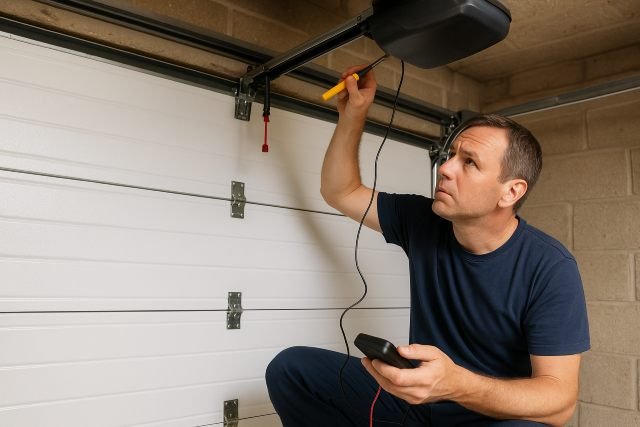
Before diagnosing issues, it helps to understand the sequence of operation. When you press the remote or wall button, the opener activates the motor, which pulls the trolley along the rail to lift or lower the door. Springs provide counterbalance, sensors detect obstructions, and electronic limit settings control how far the door travels. If any part of this chain is disrupted, the door may behave unpredictably. This foundational knowledge makes troubleshooting more intuitive and helps you pinpoint where a problem may be originating.
Common Electric Garage Door Problems and How to Fix Them
One of the most frequent issues homeowners face is an electric garage door that will not open or close. This problem often appears more serious than it actually is. Most of the time, the opener has simply lost power, the remote batteries have died, or a tripped circuit breaker has interrupted electricity. Ensuring that the opener is firmly plugged into a live outlet, resetting the breaker, and replacing the remote batteries often restores normal function. If the wall switch works but the remote does not, reprogramming the remote following the manufacturer’s instructions can resolve communication issues.
Another problem occurs when the garage door reaches the floor and immediately reverses direction. This behavior usually indicates that the down-limit setting is incorrect. Limit settings tell the opener how far the door should travel, and if they are set too high, the opener mistakenly interprets the ground as an obstruction. Adjusting the limit screw or digital setting on the opener allows the door to complete its cycle without reversing. Small adjustments followed by testing are the most effective approach.
Many homeowners also experience a door that stops halfway. This is often caused by excessive friction from worn rollers, misaligned tracks, or an overheated motor inside the opener. Rolling components should be lubricated with a silicone-based spray, and the tracks should be examined for dents or debris that may interrupt the door’s path. If the motor overheats, allowing it to rest for several minutes usually restores operation. However, if the cause is a broken torsion spring, only a trained technician should perform the repair because the stored tension in the springs can be extremely dangerous.
Remote or keypad issues are another common frustration. When an electric garage door fails to respond to the remote, the cause can range from weak signal transmission to interference from nearby electronics. Replacing the battery, ensuring the opener’s antenna is fully extended, and disabling lock or “vacation” mode on the wall console often restores communication. For persistent issues, clearing stored remotes and reprogramming them helps eliminate frequency conflicts.
Unusual noises coming from an electric garage door can be unsettling. Grinding, rattling, or squeaking sounds typically occur when mechanical components need lubrication, hardware is loosening, or internal opener gears are wearing down. Lubricating rollers, hinges, and the opener rail often reduces noise significantly. Tightening loose bolts also improves stability. If the sound appears to come from the opener housing, the internal gear system may be deteriorating and might require replacement. Belt-driven systems sometimes produce noise when the belt stretches; adjusting the tension often resolves the issue.
Safety sensor problems are among the most common—and easiest—issues to fix. Electric garage doors rely on photo-eye sensors to detect obstacles, and if these sensors become dirty, misaligned, or loose, the door will refuse to close. Cleaning the lenses, adjusting the sensor brackets to align the beams, and ensuring the LED indicators are lit helps restore normal function. If the wiring is damaged, replacement may be necessary. Because UL 325 safety standards require functioning sensors, maintaining them should be a top priority.
When to Call a Professional for Electric Garage Door Repair
Although many electric garage door issues can be resolved with simple steps, certain problems should always be handled by professionals. A broken torsion spring, snapped cable, severely bent track, or failing motor can create safety hazards if mishandled. A certified technician has the tools and expertise to complete repairs safely and can also inspect surrounding components to prevent future failures. For homeowners who notice inconsistent door movement, burning smells, or visible structural damage, scheduling a professional inspection is the safest option.
Maintenance Tips for Preventing Garage Door Problems
Routine maintenance significantly reduces the likelihood of sudden garage door failure. Inspecting the system monthly, keeping all moving parts clean and lubricated, and tightening loose bolts help preserve smooth operation. Testing the safety reversal system ensures the door remains compliant with modern safety standards. The International Door Association recommends annual professional inspections to identify hidden wear and keep the entire system functioning properly. Regular upkeep not only extends the lifespan of the opener but also minimizes repair costs over time.
FAQs About Electric Garage Door Troubleshooting
Many homeowners ask why their electric garage door only closes when they hold the wall button. This behavior typically indicates a problem with the safety sensors. Misalignment or dirt prevents the sensors from communicating properly, and the wall button overrides this safety feature.
Another common question involves lifespan. Most electric garage door openers last between ten and fifteen years, although consistent maintenance can extend their useful life by several years.
Random opening and closing can also occur. This usually stems from interference on the opener’s frequency, outdated remote codes, or wiring problems. Clearing the opener’s memory and reprogramming the remotes often resolves the issue.
Homeowners also wonder about seasonal impacts. Cold temperatures can thicken lubricants, stiffen the door’s mechanisms, and weaken batteries, which can affect overall performance. Winter maintenance can help avoid slow response times and unnecessary strain on the opener.
Conclusion: Keeping Your Electric Garage Door Reliable and Safe
Understanding the essentials of electric garage door troubleshooting empowers homeowners to address problems quickly and confidently. Many common issues, such as sensor misalignment, incorrect limit settings, or minor power interruptions, have straightforward fixes that can be completed without special tools. A well-maintained garage door not only enhances everyday convenience but also improves safety and long-term reliability. When a problem extends beyond basic troubleshooting, involving a professional ensures proper repair and prevents additional complications. With regular inspection and timely intervention, your electric garage door can continue operating smoothly year after year.