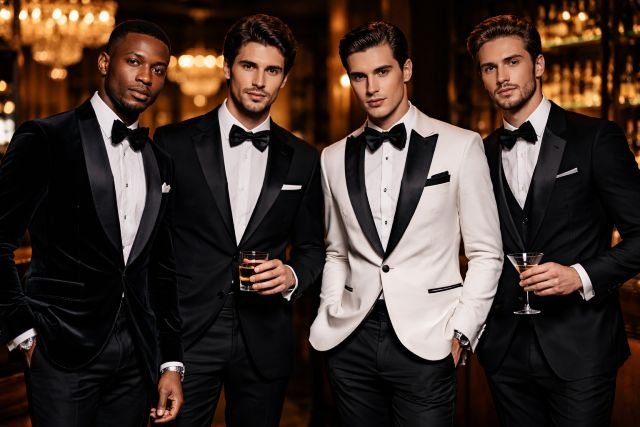
A “black tie” invite sounds straightforward until you’re standing in front of your closet wondering what actually counts, what’s optional, and whether a tie in black means a bow tie, a necktie, or simply a dark color theme. The good news is that black tie has clear foundations, and it still leaves room for personality when you place your creativity in the right areas, like fit, fabric, and small accessories, rather than breaking the code with casual shoes or business-casual neckwear.
- Black tie, decoded
- Why black tie works beyond the photos
- Tie in black: bow tie vs necktie
- Epic black tie outfit ideas for men you can copy tonight
- Epic black tie outfit ideas for women you can copy tonight
- How to match your outfit to the event
- Accessories that make black tie look expensive
- The most common black tie mistakes and quick fixes
- A “tonight” scenario: you have 20 minutes
- FAQ
- Conclusion
This guide gives you ready-to-use outfit formulas you can apply tonight, plus modern upgrades, the most common mistakes to avoid, and quick answers to the questions people usually type into Google.
Black tie, decoded
Black tie is a formal evening dress code that sits below white tie and above business formal. Etiquette authorities consistently define the core expectations as a tuxedo or dinner suit for men and formal eveningwear for women, with modern invitations sometimes allowing controlled variations.
What “black tie” means for men
The classic baseline is a black or midnight-blue tuxedo with satin or grosgrain lapels, matching trousers with a satin side stripe, a white tuxedo shirt, a black bow tie, and formal black shoes that look intentionally evening-appropriate.
What “black tie” means for women
The most traditional option is a floor-length evening gown, though many modern black-tie events accept a refined cocktail or midi dress when the fabric, accessories, and overall styling still read formal and nighttime appropriate.
Why black tie works beyond the photos
Formal clothing does more than signal status; it can influence how people feel and behave. Research published in Social Psychological and Personality Science reports evidence across studies that wearing more formal clothing is associated with more abstract cognitive processing, which can translate into feeling more composed and mentally “elevated” in formal settings.
Tie in black: bow tie vs necktie
Traditionally, “black tie” literally refers to a black bow tie worn with a tuxedo. In modern contexts, especially when the invitation says “black tie optional” or the venue is contemporary and fashion-forward, a slim black necktie can sometimes be acceptable, but it is still a higher-risk choice for strict events.
When a tie in black should be a bow tie
If you’re attending a traditional gala, awards night, opera, or a highly formal wedding venue, the safest interpretation is a black silk bow tie with a tuxedo. It aligns with classic etiquette guidance and is unlikely to look out of place in photos or among older or more formal guests.
When a tie in black can be a necktie
If the invitation says “black tie optional,” or if the event is a modern wedding with a younger crowd and a more relaxed interpretation, a slim black necktie in a formal finish like satin or grosgrain can read as a deliberate modern choice. The key is that the rest of the outfit must remain tux-correct so the necktie doesn’t drag the look into “office suit” territory.
Epic black tie outfit ideas for men you can copy tonight
The “never wrong” classic tux formula
Choose a black single-breasted tuxedo with a peak or shawl lapel, a white tuxedo shirt with French cuffs, and a black bow tie in silk. Finish with formal black shoes, ideally patent leather or a highly polished pair that clearly reads eveningwear. This look works at virtually every black-tie setting because it follows the most widely accepted baseline.
The midnight blue upgrade
A midnight-blue tuxedo is a classic formal alternative that can look richer than standard black under evening lighting while still staying within traditional boundaries. Keep the rest traditional with a black bow tie and formal black shoes, and you’ll get a subtle “best dressed” effect without announcing it.
The velvet dinner jacket moment
A velvet dinner jacket is a strong option for winter black-tie events or creative black tie settings, especially in black or deep jewel tones. Pair it with proper tuxedo trousers that have a satin stripe, keep the shirt crisp and tux-appropriate, and choose a black bow tie that matches the level of formality. Velvet can look luxurious, but it only reads black tie when everything else stays correct.
The modern minimalist with a tie in black
For black tie optional events, you can wear a tuxedo with a slim satin or grosgrain tie in black instead of a bow tie, as long as the shirt remains a tuxedo shirt and the shoes remain formal. This option works best when the overall styling is clean and understated, because minimalism makes the necktie look intentional rather than like a last-minute substitute.
The statement lapel, still within the rules
If you want a noticeable but still appropriate twist, put your “statement” in texture rather than color. A shawl lapel with a glossy silk facing, matched with a bow tie in a similar finish, creates contrast in photos while keeping the outfit fully black tie. Keep jewelry minimal and let the tailoring and fabric do the work.
Epic black tie outfit ideas for women you can copy tonight
The floor-length “no notes” gown
A floor-length gown in a confident solid tone like black, navy, emerald, or burgundy is the safest black-tie choice. Make the dress the anchor and choose accessories that look evening-focused, such as a structured clutch and heels in satin, metallic leather, or another formal finish. Etiquette guidance consistently points to gowns as a foundational black-tie option, especially for more formal venues.
The luxe midi or cocktail dress done correctly
For many modern black-tie events, a refined cocktail or midi dress can work when the fabric and styling read formal. Satin, silk, velvet, crepe, and structured tailoring help. If you choose a shorter hemline, elevate the look with intentional accessories and polished hair and makeup, so the overall impression remains “evening.”
The modern jumpsuit, when the invite allows flexibility
A tailored jumpsuit can be appropriate for some black tie optional events, especially in a formal fabric with strong structure. The easiest way to make it feel black-tie worthy is to keep the silhouette sharp, add statement earrings or a refined necklace, and style hair sleekly. This works best when the crowd is fashion-forward and the invitation wording suggests flexibility.
How to match your outfit to the event
The safest strategy is to dress to the strictest reasonable interpretation of the invitation, especially if you are unsure. “Black tie” typically implies tuxedo-level formality, while “black tie optional” suggests tuxedo preferred but allows some latitude. Venue and time matter too; a museum gala at night skews stricter than a modern rooftop wedding even if both say black tie.
Accessories that make black tie look expensive
Black tie looks premium when the fit is clean, the shirt is correct, and the finishes match. A tuxedo shirt instantly looks more formal than a standard dress shirt. A white pocket square in a neat fold reads classic. Simple studs and cufflinks add polish without stealing attention. Most importantly, formal shoes with a high shine signal evening formality, whereas casual leather, rubber-heavy soles, or brown tones break the illusion.
If you choose a tie in black, aim for a finish that echoes the lapels. Satin or grosgrain ties tend to look deliberate with tux details, while matte business ties usually look mismatched.
The most common black tie mistakes and quick fixes
A frequent mistake is wearing a normal black business suit and calling it black tie. A tuxedo is defined by formal details like satin or grosgrain facings and matching trousers with a stripe, which create the distinct evening look. Another common miss is swapping in a regular office tie; if you’re not wearing a bow tie, the only necktie that typically works is a slim, formal-finish tie in black that doesn’t look like workplace attire. Shoes are the third major failure point, because black tie requires formal black footwear with a sleek, dressy profile.
A “tonight” scenario: you have 20 minutes
Start by making the shirt and jacket look crisp, because wrinkles are louder in formalwear. Choose the most traditional neckwear you can, because that’s the fastest way to appear correctly dressed. If the event is strict, go with a bow tie. If it’s black tie optional and you have a formal-finish necktie, a tie in black can work as a modern alternative. Add one refined finishing piece, like a pocket square or understated cufflinks, and make sure shoes are clean and shiny.
FAQ
What does “black tie” mean?
Black tie is a formal evening dress code. Traditionally it means a tuxedo or dinner suit with proper formal details for men and formal eveningwear, often a gown, for women.
Can I wear a necktie instead of a bow tie?
A bow tie is the traditional standard for black tie, but a slim black necktie in satin or grosgrain can be acceptable in some modern settings, especially when the invitation says black tie optional. When in doubt, choose the bow tie.
Does “tie in black” mean the tie must be black?
In a traditional sense, black tie refers to the black bow tie rather than merely the color of a necktie. If the event is strict, a black bow tie is the most correct interpretation.
What’s the difference between black tie and black tie optional?
Black tie generally expects tuxedos and formal gowns, while black tie optional signals a formal vibe but allows more flexibility, depending on the host and venue.
What shoes should I wear with black tie?
Formal black shoes are standard, often patent leather or very highly polished black leather with a sleek, dressy profile.
Conclusion
A great black-tie look comes from respecting the foundations and then refining the details. Start with tux-correct pieces, choose a tie in black the right way, which usually means a black bow tie and sometimes a slim satin necktie when the event wording and venue allow it, and then elevate the finish with correct shoes, crisp shirt choices, and clean tailoring. When you keep the big rules intact, you can show personality through texture, subtle color choices like midnight blue, and thoughtful accessories without ever looking like you missed the dress code.