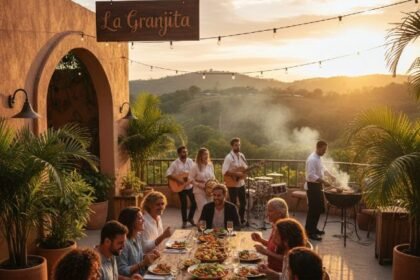
If you’re visiting gonpachi in Tokyo, you’re not just stepping into a restaurant — you’re walking into one of Japan’s most recognizable izakaya-style dining experiences. Gonpachi is famous for its dramatic lantern-lit interior and buzzing energy, often associated with the atmosphere that inspired scenes in Kill Bill. But what makes it truly special is how the restaurant blends performance-like ambiance with an extensive menu that can deliver an unforgettable meal — if you order wisely.
- Why Gonpachi Is Famous, and Why the Menu Matters More Than the Hype
- Understanding the Gonpachi Menu Style Before You Order
- What to Order at Gonpachi for the Best Experience
- Gonpachi Nishi-Azabu vs Gonpachi Odaiba: Which One Changes Your Order?
- How to Build the Best Gonpachi Meal Without Over-Ordering
- Drinks at Gonpachi and What Pairs Best
- Quick Featured Snippet Definition: What Is Gonpachi?
- Gonpachi Menu FAQ
- Conclusion: How to Order at Gonpachi for the Best Experience
The challenge is that the Gonpachi menu is big. First-timers often feel unsure about what’s actually worth it, and many end up ordering randomly instead of building a meal the way Japanese izakaya dining is meant to be enjoyed. This guide is written to solve that exact problem. You’ll learn what to order at Gonpachi, how to pace your meal, what dishes deliver the best value, and what combinations make the experience feel curated rather than accidental.
By the end of this article, you’ll know exactly how to order like someone who understands the Gonpachi experience and not like someone who walked in just because of the hype.
Why Gonpachi Is Famous, and Why the Menu Matters More Than the Hype
Gonpachi became internationally famous because of its visual resemblance to the iconic restaurant scene aesthetic from Kill Bill, and it remains one of the most searched Tokyo restaurants by travelers. But the reason it stays relevant is that it functions as a modern izakaya with a focus on charcoal grilling, handmade soba, and shareable dishes built for group dining.
This is important because Gonpachi is not the kind of restaurant where you order one main dish and leave. The menu is designed for multiple small plates, repeated orders, and a meal that evolves over time. When people make the mistake of treating it like a standard restaurant, their experience often feels inconsistent. Ordering with structure is what turns the visit into something memorable.
Understanding the Gonpachi Menu Style Before You Order
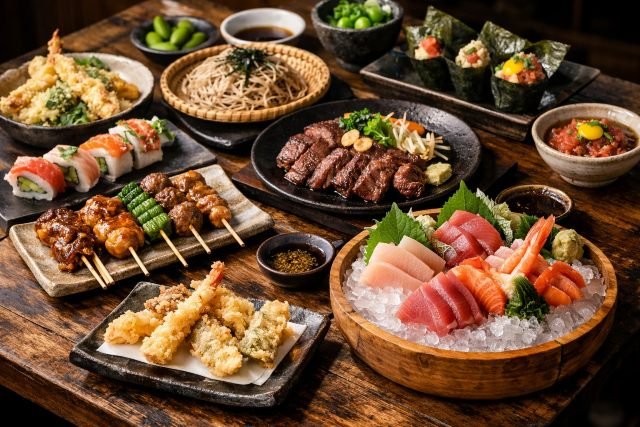
The best way to understand the Gonpachi menu is to think of it as a mix of three core identities. First, it’s a yakitori-style grill restaurant, meaning skewers and fire-based cooking are at the heart of the experience. Second, it’s a soba-focused spot, where noodles are not a side dish but a signature. Third, it’s an izakaya, meaning the best meals are built through variety, pacing, and sharing.
This matters because you’ll enjoy Gonpachi far more when you treat it like a meal with chapters. A good Gonpachi meal typically begins with lighter flavors, moves into grilled dishes, then brings in fried textures for contrast, and finishes with noodles for closure. That structure is subtle, but it’s the difference between a meal that feels chaotic and one that feels designed.
What to Order at Gonpachi for the Best Experience
Start with an Appetizer That Sets the Tone
Gonpachi’s dining room is lively, and food often arrives quickly once the rhythm starts. The best opening order is something light and refreshing that prepares your palate for grilled and smoky flavors. In izakaya culture, an appetizer is not just a starter—it’s how you establish momentum while the skewers and signature dishes are being prepared.
A refreshing salad or a light seafood-based plate works especially well at the start. It gives your table balance and prevents the early part of the meal from feeling too heavy. This approach also makes your dining experience feel more traditional and intentional.
Handmade Soba Is One of the Best Reasons to Visit Gonpachi
If you order only one “signature” dish besides skewers, let it be the soba. Many people assume soba is just a basic noodle option, but at Gonpachi, it plays a larger role. The restaurant is widely known for handmade soba prepared as a specialty, not an afterthought.
The key decision is whether you want hot or cold soba. Cold soba tends to highlight noodle quality and gives a clean, refreshing finish that works particularly well after rich grilled or fried dishes. Hot soba, on the other hand, is comforting and works well when you’re dining in cooler seasons. Either choice can be a centerpiece if you treat it as a main experience rather than something you add casually.
Soba is also one of the best “closing dishes” at Gonpachi. Ending the meal with soba feels natural, balances the richness of the earlier plates, and gives you that satisfying final impression that many Japanese meals are designed to deliver.
Yakitori and Charcoal-Grilled Skewers Are the Heart of Gonpachi
Skewers are where Gonpachi’s atmosphere and flavor come together. The aroma of charcoal grilling is part of what makes the interior feel alive, and the menu’s strength is how it offers variety without requiring you to commit to one heavy plate.
For the best experience, order multiple skewers across different styles rather than repeating the same type. A mix of chicken, beef, and vegetables gives you range and keeps the flavor progression interesting. Vegetables are especially important because they cut through richness and help prevent the meal from becoming one-note.
The best moment to order skewers is early, but not all at once. Gonpachi is meant to be paced. If you order everything immediately, you lose the sense of flow. Ordering skewers in waves lets you enjoy the grilling experience as it was intended, and it keeps the table dynamic.
Tempura and Fried Dishes Add Contrast and Make the Meal Feel Complete
Even if you’re not craving fried food, tempura plays an important role in the Gonpachi experience. The crunch, light batter, and airy texture create contrast against the smoky, savory skewers. This contrast is one of the most important “hidden tricks” for building a satisfying izakaya meal.
Tempura works best when eaten earlier rather than after you’ve had too many sauce-heavy skewers. That’s because your palate is still sharp, and the delicate crunch stands out more clearly. It also pairs beautifully with crisp drinks, which makes it feel like part of a complete experience rather than a random add-on.
If You Want a True Highlight Dish, Choose a Premium Beef Option
Many travelers want one “wow moment” dish at Gonpachi. If your budget allows, premium beef options or elevated grilled meat dishes can fill that role. Even one high-quality beef plate can raise the overall meal, making it feel more memorable and less like a standard tourist dinner.
The key is not to overdo it. Gonpachi is not designed to be a steakhouse-style meal. The premium dish should be a highlight that complements the skewers and noodles, not something that takes over the table.
Gonpachi Nishi-Azabu vs Gonpachi Odaiba: Which One Changes Your Order?
Gonpachi Nishi-Azabu: The Iconic “Experience” Location
If you’re visiting Gonpachi for the legendary interior and high-energy izakaya atmosphere, Nishi-Azabu is the location most people associate with that reputation. The best ordering strategy here is to lean into grilled skewers, go heavy on classic izakaya pacing, and end with soba for the most authentic flow.
This is where the restaurant feels more theatrical and immersive. Your meal should match that mood by being diverse, shareable, and spread across multiple categories.
Gonpachi Odaiba: Scenic, Relaxed, and Great for a Longer Meal
Odaiba tends to feel slightly more relaxed, with views that make it ideal for a slower dining pace. Ordering lighter seafood options and balancing skewers with tempura works particularly well here. The meal often feels more “date night” friendly, especially if you prioritize dishes that pair well with drinks and longer conversation.
How to Build the Best Gonpachi Meal Without Over-Ordering
The easiest way to order well at Gonpachi is to build your meal in stages. Start with something light, then move into skewers, introduce tempura or fried dishes for crunch, and finish with soba. This pacing keeps the meal balanced, prevents flavor fatigue, and makes the dining experience feel intentional.
The biggest mistake people make is ordering too randomly. Gonpachi has many tempting options, and without a plan, diners often end up with too many similar flavors, too many heavy dishes too early, or a meal that lacks balance. The truth is that the best Gonpachi meals don’t come from ordering the most food. They come from ordering with structure.
Drinks at Gonpachi and What Pairs Best
Gonpachi is built around social drinking, and pairing drinks correctly can elevate the food dramatically. Refreshing highballs are excellent with skewers because they reset your palate between bites. Beer pairs naturally with tempura because the crispness of both textures reinforces each other. Sake works particularly well with soba and seafood because it supports cleaner flavors without overpowering them.
If you’re unsure what to choose, asking staff for a pairing recommendation can lead to a better experience. Gonpachi locations are accustomed to international guests, and staff often guide diners comfortably through menu decisions.
Quick Featured Snippet Definition: What Is Gonpachi?
Gonpachi is a Tokyo izakaya-style restaurant known for charcoal-grilled yakitori skewers, handmade soba noodles, tempura, and a lively Japanese interior that became famous internationally for its resemblance to the iconic restaurant vibe associated with Kill Bill.
Gonpachi Menu FAQ
What is the best thing to order at Gonpachi?
The best things to order at gonpachi are the charcoal-grilled yakitori or kushiyaki skewers and the handmade soba, which are widely considered signature elements of the dining experience.
Is Gonpachi worth it?
Yes, Gonpachi is worth it if you want a lively izakaya experience with strong atmosphere, quality skewers, and handmade soba. It’s especially memorable if you order with structure and pace your meal like a traditional Japanese shared dining experience.
What should first-timers order at Gonpachi?
First-timers should focus on a balanced combination that includes skewers, a soba dish, one fried option like tempura, and one lighter plate such as seafood or salad. This creates variety without overwhelming the table.
Which Gonpachi location is best?
Gonpachi Nishi-Azabu is the most iconic location for atmosphere and the famous interior. Gonpachi Odaiba is better if you want a scenic, relaxed dining experience with a slower pace and view-driven vibe.
Conclusion: How to Order at Gonpachi for the Best Experience
To get the best experience at gonpachi, the secret is not just picking “popular items.” The real win is building a meal that feels like izakaya dining is meant to feel: layered, social, and paced.
Start with something light, then lean into charcoal-grilled skewers, add tempura for contrast, and end with handmade soba for a clean finish. Whether you visit the iconic Nishi-Azabu location for its dramatic atmosphere or the Odaiba branch for its scenic calm, ordering intentionally will transform your visit from a tourist stop into a genuinely memorable Tokyo dining experience.