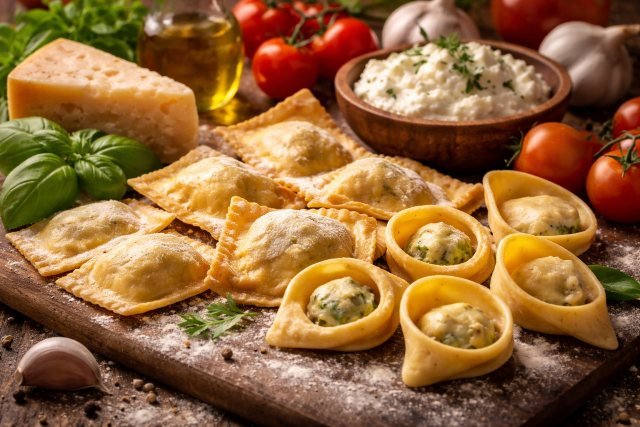
If you grew up hearing Mannacote at the Sunday table, you’re not alone. In many Italian-American families, “Mannacote” is the affectionate, phonetic name for the baked stuffed pasta most people spell manicotti — those tender pasta tubes packed with creamy filling, blanketed in sauce, and baked until bubbling. The good news is that whether you call it Mannacote or manicotti, the technique is what makes it unforgettable.
- What is Mannacote?
- Mannacote vs. manicotti vs. cannelloni: the quick clarity
- The core Mannacote secret: balance moisture, fat, and structure
- Ingredients that matter most for Mannacote (and why)
- A classic Mannacote filling that stays creamy (not watery)
- Mannacote sauce secrets: flavor + thickness wins
- How to stuff Mannacote without tearing the pasta
- Baking Mannacote the right way (so it sets perfectly)
- Mannacote make-ahead strategy (the one restaurants love)
- Freezing Mannacote: how to keep it tasting fresh
- Mannacote variations that feel “authentic” (without getting fussy)
- Why Mannacote is such a go-to comfort dish
- Common Mannacote mistakes (and how to fix them)
- FAQ: Mannacote questions people actually ask
- Conclusion: the real Mannacote “ultimate secret”
This guide shares the real secrets behind restaurant-level Mannacote at home: how to choose the right shells, build a filling that stays light (not grainy), pick sauces that don’t turn watery, and bake it so every bite is rich and perfectly set. You’ll also get make-ahead and freezer strategies, plus answers to the most common Mannacote questions.
And if you need a reminder of why stuffed pasta holds such a special place in people’s hearts: pasta is a global staple, with the International Pasta Organisation reporting 16.9 million tons produced worldwide in 2022, and listing Italy at 23.2 kg per capita consumption (top of their rankings).
What is Mannacote?
Mannacote is a baked Italian-American stuffed pasta dish: pasta tubes filled (usually) with ricotta and cheeses, topped with tomato sauce (or béchamel), and baked until the filling is set and the top is lightly browned.
In Italy, the closest “cousin” is often cannelloni (pasta sheets rolled into tubes), while manicotti typically refers to ridged tubes sold pre-formed. In everyday kitchens, though, the methods and flavors overlap so much that most home cooks treat them as variations of the same comfort classic.
Mannacote vs. manicotti vs. cannelloni: the quick clarity
A lot of “Mannacote confusion” comes down to packaging and family language:
- Manicotti: usually pre-formed pasta tubes (often ridged) you boil, fill, and bake.
- Cannelloni: often fresh pasta sheets you roll around filling, then bake.
- Mannacote: commonly a family nickname for manicotti-style stuffed pasta — especially in Italian-American households.
The secrets in this article work for all three.
The core Mannacote secret: balance moisture, fat, and structure
Stuffed pasta seems simple, but most “meh” results come from just three issues:
- Watery filling (ricotta or spinach releasing liquid)
- Sauce too thin (floods the pan and makes tubes slide/tear)
- Overbaking (dry filling, rubbery cheese, crunchy edges)
When you control moisture and bake smart, Mannacote turns into that “how did you make this?” dish.
Ingredients that matter most for Mannacote (and why)
The pasta tubes
If you’re using boxed manicotti shells, choose thick, sturdy tubes. Thin tubes tear during stuffing and collapse while baking.
Pro tip: Slightly undercook the shells. They’ll finish in the oven and stay intact.
Ricotta: the make-or-break base
Ricotta varies wildly. Some brands are creamy; others are wet and grainy. The wetter the ricotta, the more likely your Mannacote becomes soupy.
Secret move: drain ricotta.
Even 20–30 minutes in a fine strainer (or cheesecloth) makes a noticeable difference.
Eggs: your “set” insurance
Eggs aren’t just tradition — they stabilize the filling so it slices cleanly.
Cheese blend: use one for melt, one for flavor
- Mozzarella = melt and stretch
- Parmigiano Reggiano / Pecorino Romano = salty punch and aroma
Herbs and aromatics
Fresh parsley and basil lift the filling. A touch of garlic (or garlic powder) rounds it out without turning it harsh.
A classic Mannacote filling that stays creamy (not watery)
Here’s a reliable, crowd-pleasing formula. Adjust seasoning to taste.
Base filling idea (cheese-forward):
- Drained ricotta
- Shredded mozzarella (low-moisture works best)
- Grated Parmigiano Reggiano or Pecorino
- 1–2 eggs (depending on batch size)
- Parsley + basil
- Salt, black pepper, pinch of nutmeg (optional but “old-school Italian”)
The “ricotta texture” fix
If your ricotta is grainy, whip it for 30–45 seconds before mixing. This breaks up curds and makes the filling silkier.
Mannacote sauce secrets: flavor + thickness wins
Tomato sauce (most common)
Use a sauce that is thick enough to coat a spoon. If it pours like soup, reduce it for 10–15 minutes before baking. Thin sauce is the #1 reason the dish turns watery.
Béchamel (white sauce) for “Italian restaurant” vibes
A light béchamel gives a luxurious, delicate finish and pairs beautifully with spinach, mushrooms, or chicken fillings.
Best-of-both-worlds: rosé-style
Mix tomato sauce with a small amount of béchamel or cream for a richer bake without overpowering the filling.
How to stuff Mannacote without tearing the pasta
This is where home cooks struggle, so here’s the clean method:
- Cook shells to just pliable (not fully soft).
- Rinse with cool water to stop cooking.
- Oil lightly so they don’t stick.
- Put filling in a zip-top bag (or piping bag), snip the corner, and pipe from both ends.
Secret move: Pipe halfway from one end, then flip and finish from the other end. You avoid air pockets and blowouts.
Baking Mannacote the right way (so it sets perfectly)
Layering technique
- Spoon sauce on the bottom of the baking dish first.
- Arrange stuffed tubes in a single snug layer.
- Cover with sauce, then cheese.
Keeping the tubes “snug” helps them hold shape and prevents splitting.
Cover first, uncover to finish
Covering with foil for most of the bake traps steam and prevents dried edges. Uncover near the end for browning.
Food safety note for meat fillings
If your Mannacote includes meat (or you’re reheating a casserole-style stuffed pasta), use safe temperature guidance. USDA FSIS lists 165°F (74°C) as the safe minimum internal temperature for leftovers/casseroles and many mixed dishes.
Mannacote make-ahead strategy (the one restaurants love)
Best make-ahead approach: assemble, refrigerate, bake next day.
Why it works: the tubes absorb a little sauce, flavors marry, and you’re not rushing stuffing + baking on the same day.
Keep it from drying out overnight
Add a small extra layer of sauce on top before refrigerating. Pasta absorbs liquid, and this prevents “thirsty” baked edges.
Freezing Mannacote: how to keep it tasting fresh
Yes, Mannacote freezes beautifully — if you freeze it the right way.
Freeze unbaked for best texture
Assemble in a freezer-safe dish, wrap tightly, freeze. Bake from thawed (best) or from frozen (longer bake, stay covered longer).
Freeze baked for convenience
Bake, cool completely, portion, and freeze. This is great for lunches and quick dinners.
Tip: Sauces that are too watery become more watery after freezing and thawing. Thicken sauce first.
Mannacote variations that feel “authentic” (without getting fussy)
Spinach and ricotta Mannacote
Spinach is delicious, but it’s also a water bomb.
Secret move: cook spinach, then squeeze it aggressively dry before mixing.
Meat-stuffed Mannacote
Use a cooked mixture (beef, pork, or sausage) cooled before combining with cheese. Cooling prevents grease separation and keeps the filling cohesive.
Mushroom and herb Mannacote
Sauté mushrooms until their moisture fully evaporates. Undercooked mushrooms leak liquid into the filling.
Seafood Mannacote
Creamy fillings with seafood can be amazing, but keep flavors simple and avoid overbaking. If you’re working with seafood, follow safe cooking guidance (USDA FSIS provides temperature targets by food type).
Why Mannacote is such a go-to comfort dish
Beyond nostalgia, Mannacote is practical: it feeds a crowd, scales easily, and can be prepped ahead.
In the U.S., pasta is a frequent staple — one National Pasta Association resource notes the average American consumes ~20 lbs of pasta annually and cites affordability as a key reason people love it. That matters because Mannacote is one of the easiest “special occasion” meals that still fits a normal grocery budget.
Common Mannacote mistakes (and how to fix them)
“My filling is watery.”
Drain ricotta. Squeeze spinach dry. Reduce sauce. Use low-moisture mozzarella.
“My shells rip while stuffing.”
Undercook slightly, cool them, and pipe filling instead of spooning.
“It tastes bland.”
Salt the filling properly, add a sharper cheese (Pecorino), and don’t rely on sauce alone for seasoning.
“It dries out in the oven.”
Cover with foil for most of the bake and ensure enough sauce is in the dish.
“The top burns before it’s hot inside.”
Bake covered longer at a slightly lower temperature, then uncover to brown.
FAQ: Mannacote questions people actually ask
Is Mannacote the same as manicotti?
In most households, yes — Mannacote is commonly used as a family name for manicotti-style stuffed pasta. The technique and flavors are essentially the same.
What’s the best cheese blend for Mannacote?
Ricotta for creaminess, mozzarella for melt, and Parmigiano Reggiano or Pecorino for punch. Draining ricotta is the upgrade that makes everything taste “restaurant.”
Should you boil manicotti shells before stuffing?
Many boxed tubes are meant to be boiled briefly first. Some “no-boil” options exist, but the most consistent results come from par-boiling until flexible, then baking snug in sauce.
Can you make Mannacote ahead of time?
Absolutely. Assemble, refrigerate overnight, then bake. This is one of the best make-ahead Italian comfort meals.
How do you know when Mannacote is done?
Sauce is bubbling, cheese is browned, and the filling is set. If you’re using meat or reheating a casserole-style dish, check safe internal temperature guidance (USDA FSIS lists 165°F for many leftovers/casseroles).
Conclusion: the real Mannacote “ultimate secret”
The ultimate Mannacote secret isn’t a mysterious ingredient — it’s control. Drain your ricotta, keep fillings and add-ins dry, use a sauce with body, and bake covered until everything is hot and cohesive. Do that, and Mannacote stops being “just baked pasta” and becomes the kind of dish people request for birthdays, holidays, and Sunday dinners.
If you want a reliable next step, start with the classic cheese filling, master the piping method, and then branch into spinach, meat, or mushroom variations. Once you nail the moisture balance, you can make Mannacote your signature stuffed pasta — no stress, no soggy pan, and no torn tubes.