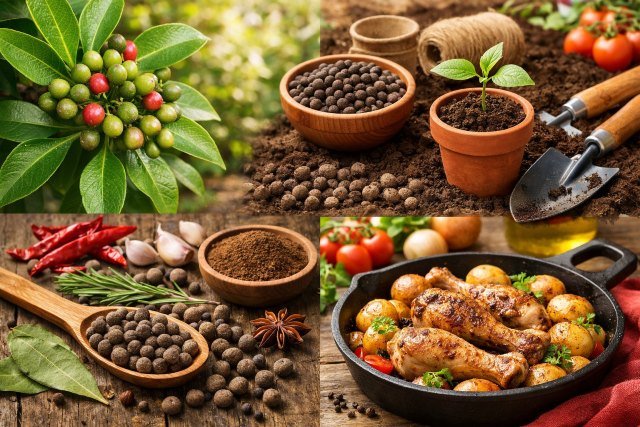
Pimento seeds are gaining popularity among gardeners and culinary enthusiasts for their versatility, flavor, and health benefits. Whether you’re looking to grow your own spice plants or enhance your dishes with rich, aromatic flavors, pimento seeds offer a unique combination of practicality and value. Known for producing allspice berries, these seeds play a vital role in both home gardening and global cuisine.
We’ll explore how pimento seeds can transform your garden and kitchen, backed by research, practical insights, and real-world applications.
What Are Pimento Seeds?
Pimento seeds come from the Pimenta dioica plant, commonly known as the allspice tree. Native to the Caribbean and Central America, this evergreen plant produces berries that combine the flavors of cinnamon, nutmeg, and cloves.
According to the Food and Agriculture Organization (FAO), allspice is widely used in both sweet and savory dishes worldwide, making pimento seeds a valuable agricultural and culinary asset.
Benefits of Pimento Seeds for Gardening
Easy Cultivation in Suitable Climates
One of the biggest advantages of pimento seeds is their adaptability in warm climates. These seeds thrive in tropical and subtropical environments, making them ideal for regions with moderate rainfall and well-drained soil.
Gardeners in such climates can expect steady growth with minimal intervention. Once established, the tree is relatively low-maintenance compared to other spice plants.
Long-Term Yield and Sustainability
Unlike seasonal plants, pimento trees are perennial and can produce berries for decades. This makes pimento seeds a sustainable choice for gardeners looking for long-term returns.
Research from the University of the West Indies highlights that a mature allspice tree can yield up to 45 kg of berries annually under optimal conditions. This consistent output reduces the need for replanting and enhances garden productivity.
Natural Pest Resistance
Pimento plants are naturally resistant to many common pests and diseases. This reduces the need for chemical pesticides, making them an excellent choice for organic gardening.
The plant’s essential oils contain compounds like eugenol, which act as natural insect repellents. This not only protects the plant itself but can also benefit nearby crops.
Enhancing Biodiversity in Your Garden
Growing pimento seeds contributes to biodiversity by attracting pollinators such as bees and butterflies. A diverse garden ecosystem improves soil health and promotes sustainable agriculture.
Incorporating pimento plants alongside other herbs and vegetables can create a balanced and thriving garden environment.
How to Grow Pimento Seeds Successfully
Soil and Climate Requirements
Pimento seeds require well-drained, fertile soil with a slightly acidic to neutral pH. Warm temperatures between 20°C and 30°C are ideal for germination and growth.
Germination Process
Pimento seeds can take several weeks to germinate. Soaking them in warm water for 24 hours before planting can improve germination rates.
Watering and Care
Regular watering is essential during the early stages. However, overwatering should be avoided as it can lead to root rot.
For more gardening tips, you can explore related guides on herb cultivation and sustainable planting techniques.
Culinary Benefits of Pimento Seeds
Rich and Versatile Flavor Profile
One of the standout features of pimento seeds is their complex flavor. Often described as a blend of cinnamon, cloves, and nutmeg, they are used in a wide range of dishes.
From Caribbean jerk seasoning to Middle Eastern stews, pimento seeds add depth and warmth to recipes.
Essential Ingredient in Global Cuisine
Pimento seeds are a staple in many traditional dishes. In Jamaican cuisine, they are a key component of jerk seasoning. In European cooking, they are used in pickling and baking.
According to the Spice Board of India, allspice is one of the most widely traded spices globally due to its versatility.
Health Benefits Backed by Research
Pimento seeds are not just flavorful — they also offer numerous health benefits. They are rich in antioxidants, which help combat oxidative stress.
A study published in the Journal of Food Science found that allspice contains high levels of phenolic compounds, which have anti-inflammatory and antimicrobial properties.
Digestive and Medicinal Uses
Traditionally, pimento seeds have been used to aid digestion and relieve stomach discomfort. The presence of eugenol helps stimulate digestive enzymes and reduce bloating.
In herbal medicine, pimento is also used for its warming properties and ability to improve circulation.
Using Pimento Seeds in Everyday Cooking
Spice Blends and Seasonings
Pimento seeds can be ground into powder and used in spice blends. They are commonly included in garam masala, jerk seasoning, and pickling spices.
Beverages and Desserts
These seeds are also used in beverages like mulled wine and chai tea. Their warm flavor makes them perfect for desserts such as cakes and cookies.
Infusions and Oils
Pimento seeds can be infused into oils or syrups to create unique flavor profiles. This technique is often used in gourmet cooking and artisanal food production.
Economic and Practical Advantages
Cost-Effective Gardening
Growing pimento seeds at home can significantly reduce the cost of purchasing spices. A single tree can supply a household with allspice for years.
Potential for Small-Scale Farming
For those interested in agriculture, pimento seeds offer opportunities for small-scale farming. The global demand for allspice continues to grow, making it a profitable crop.
According to market reports from Statista, the global spice market is expected to reach over $27 billion by 2027, with specialty spices like allspice contributing significantly.
Common Questions About Pimento Seeds
Are pimento seeds the same as allspice?
Yes, pimento seeds grow into the allspice tree, and the dried berries are known as allspice.
Can pimento seeds grow indoors?
They can be started indoors but require ample sunlight and space to mature. Outdoor planting is generally more successful.
How long does it take for pimento seeds to produce fruit?
Typically, it takes 5 to 7 years for a pimento tree to start producing berries.
Are pimento seeds safe for consumption?
Yes, when used in culinary quantities, they are safe and widely consumed worldwide.
Expert Tips for Maximizing Benefits
To get the most out of pimento seeds, focus on proper soil preparation and climate conditions. Using organic compost can enhance growth and yield.
In cooking, freshly ground pimento seeds offer a more intense flavor compared to pre-packaged spices. Investing in a spice grinder can elevate your culinary experience.
Conclusion
Pimento seeds are a remarkable addition to both gardening and cooking. Their ability to produce a versatile spice, combined with their health benefits and ease of cultivation, makes them an excellent choice for beginners and experts alike.
From enhancing biodiversity in your garden to adding depth to your dishes, pimento seeds offer unmatched value. As interest in sustainable living and natural ingredients continues to grow, incorporating pimento seeds into your lifestyle is both practical and rewarding.
If you’re looking to elevate your gardening efforts and culinary creations, pimento seeds are a smart and flavorful investment.