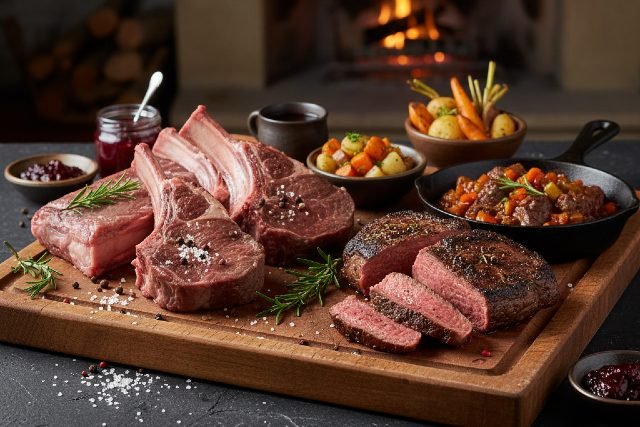
Wild boar meat is becoming increasingly popular among food enthusiasts and health-conscious consumers looking for natural, flavorful protein sources. Unlike conventional pork, wild boar meat comes from animals that live freely and feed on natural vegetation, resulting in a richer taste and superior nutritional value. This guide explores what wild boar meat tastes like, its health benefits, how it compares to pork, and how to cook it properly.
- What Is Wild Boar Meat?
- What Does Wild Boar Meat Taste Like?
- Health Benefits of Wild Boar Meat
- Wild Boar Meat vs Pork: Nutritional Comparison
- Is Wild Boar Meat Safe to Eat?
- How to Cook Wild Boar Meat Properly
- Popular Wild Boar Meat Recipes
- Is Wild Boar Meat Sustainable?
- Where to Buy Wild Boar Meat
- Conclusion
What Is Wild Boar Meat?
Wild boar meat comes from wild pigs that roam forests and grasslands, feeding on roots, berries, nuts, and grasses. Because they are not confined or grain-fed, their meat develops a darker color, firmer texture, and deeper flavor. Compared to farm-raised pork, wild boar meat is significantly leaner and contains fewer calories.
What Does Wild Boar Meat Taste Like?
Many people describe the flavor of wild boar meat as richer and more complex than pork. It has a mild earthy undertone with a slightly nutty finish and lacks the greasy quality often associated with domestic pork. When cooked properly, the meat is tender, juicy, and highly aromatic, making it a favorite among chefs and hunters alike.
Health Benefits of Wild Boar Meat
Wild boar meat is highly nutritious and offers several health advantages over traditional meats. It is naturally high in protein, which supports muscle development, tissue repair, and overall energy levels. Due to the animal’s active lifestyle, wild boar meat contains significantly less fat and fewer calories than pork or beef.
The meat is also rich in iron and zinc, two essential minerals that support immune function and oxygen transport in the blood. According to data from the USDA FoodData Central, wild game meats generally contain higher mineral density than farm-raised meats. Additionally, wild boar meat is free from added hormones and antibiotics, making it a cleaner and more natural protein choice.
Wild Boar Meat vs Pork: Nutritional Comparison
When compared to pork, wild boar meat stands out as a healthier option. It contains roughly half the fat of pork while providing similar protein levels. The lower saturated fat content makes it suitable for heart-healthy and weight-management diets. Its higher iron content also makes it beneficial for individuals with iron deficiencies.
Is Wild Boar Meat Safe to Eat?
Wild boar meat is safe to eat when properly handled and cooked. Like all wild game, it should be cooked thoroughly to an internal temperature of 160°F (71°C). Freezing the meat before cooking and avoiding undercooked preparations significantly reduces any health risks. Proper food safety practices ensure wild boar meat is both safe and enjoyable.
How to Cook Wild Boar Meat Properly
Because wild boar meat is very lean, it requires careful cooking to retain moisture. Slow cooking methods such as braising, stewing, and roasting work best. Marinating the meat for several hours or overnight helps tenderize the muscle fibers and enhance flavor. Cooking at lower temperatures and allowing the meat to rest before serving ensures optimal tenderness.
Popular Wild Boar Meat Recipes
Wild boar stew is one of the most popular dishes due to its rich, comforting flavor and tender texture achieved through slow cooking. Grilled wild boar chops are another favorite, offering a smoky, robust taste when marinated and cooked gently. Italian-style wild boar ragù is a traditional recipe that showcases the meat’s depth and pairs beautifully with pasta.
Is Wild Boar Meat Sustainable?
Wild boar populations are often overabundant in many regions, leading to environmental and agricultural damage. Harvesting wild boar helps control these populations while providing a sustainable and ethical source of meat. Choosing wild boar meat supports responsible wildlife management and reduces reliance on industrial farming.
Where to Buy Wild Boar Meat
Wild boar meat can be found at specialty butcher shops, online wild game suppliers, and through licensed hunters where legal. Always ensure the meat comes from a reputable source that follows proper processing and safety standards.
Conclusion
Wild boar meat is a flavorful, nutrient-dense, and sustainable alternative to conventional meats. Its rich taste, low fat content, and high protein levels make it an excellent choice for adventurous cooks and health-focused consumers alike. Whether slow-cooked in a stew or prepared as a gourmet entrée, wild boar meat delivers both taste and nutritional value worth exploring.