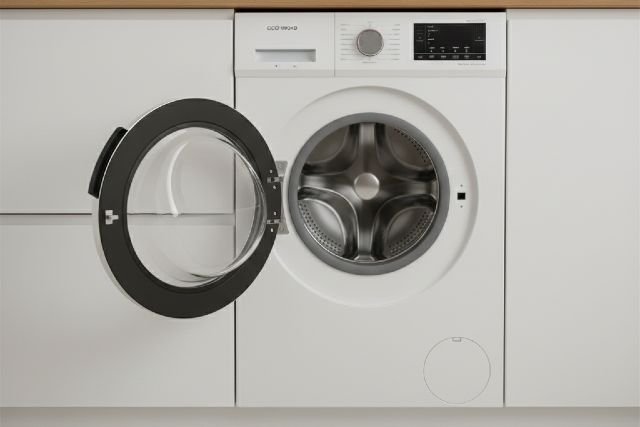
Choosing the right integrated washing machine matters if you want a smooth, streamlined kitchen design without compromising on washing performance. Many homeowners prefer an integrated washing machine because it stays hidden behind a cabinet door, reduces noise, and fits neatly into compact spaces. However, it is essential to understand the key features that separate high-quality built-in appliances from basic models. This guide explains everything you should consider — from capacity and spin speed to smart technology and energy ratings — so you can make a more informed purchase.
What Is an Integrated Washing Machine?
An integrated washing machine is designed to fit inside a kitchen or utility room cabinet and remain hidden behind a matching door. Unlike freestanding models, these washers blend seamlessly with your décor and create a clean, uniform appearance. They are also generally quieter because the cabinet enclosure helps reduce vibration and operational noise. This makes integrated machines especially popular in modern homes and open-plan layouts where visual harmony and low noise are important.
Top Features to Look For
1. Capacity: Choosing the Right Drum Size
Capacity determines how much laundry you can wash in one cycle, and it is measured in kilograms. A 6–7 kg capacity works best for individuals or couples, while households of three to four people benefit from an 8–9 kg machine. Large families often prefer 10–12 kg models to wash more laundry at once. Choosing the right size helps reduce the number of loads you run each week, saves time, and lowers water and energy consumption. Larger drums also provide better movement for clothes, which reduces creasing and improves overall wash quality.
2. Energy Efficiency and Eco-Friendly Performance
Energy efficiency is one of the most important considerations when choosing an integrated washing machine because it directly affects your long-term running costs. Look for models with high energy ratings such as A or B on the modern EU scale, as these consume less electricity and water per cycle. Many newer machines include eco settings that wash clothes at lower temperatures without compromising cleanliness. Some also feature load detection sensors that automatically adjust water usage based on the weight of the laundry. Inverter motors are another sign of efficiency since they run smoothly, generate less heat, and use less power over time.
3. Noise Level and Quiet Operation
Because integrated washing machines are typically installed in kitchens, noise level becomes a crucial factor. A wash cycle noise level of under 55 dB is considered quiet, while a spin cycle below 75 dB helps maintain a peaceful environment even when the machine is operating at high speed. Features such as brushless motors, reinforced drum design, and silent operation settings can significantly reduce noise. These characteristics are especially helpful in open-plan homes where the machine might be close to living or dining areas.
4. Spin Speed for Faster Drying
Spin speed refers to how fast the drum rotates during the spin cycle. Most integrated washing machines range from 1,200 to 1,600 RPM. Higher spin speeds extract more water, allowing clothes to dry faster, whether you hang them or use a tumble dryer. A spin speed of around 1,400 RPM is considered the ideal balance for everyday laundry because it removes moisture effectively without causing excessive wear on fabrics. This feature is particularly valuable for households that frequently wash bedding, towels, or heavy garments.
5. Wash Programs and Custom Settings
Modern integrated washing machines come with a wide range of wash programs designed for different materials and needs. Cotton cycles at higher temperatures are ideal for deep cleaning, while delicate or silk settings protect fragile fabrics. Quick wash programs, often lasting between 15 and 30 minutes, are useful for lightly soiled clothes or last-minute outfits. Many machines also include wool settings, mixed fabric options, anti-allergy cycles, and steam refresh functions. The availability of diverse programs ensures better garment care and improved hygiene for your household.
6. Smart Technology and Connectivity
Smart technology is becoming more common and adds convenience to your daily laundry routine. Many integrated washing machines now support mobile apps that let you start, pause, or schedule a wash remotely. Some appliances automatically dose detergent based on the load, while others use AI to identify fabric types and adjust the settings for optimal results. Maintenance alerts, such as notifications for filter cleaning or drum hygiene, help extend the life of the machine. These intelligent features create a more efficient, hassle-free laundry experience.
7. Build Quality and Durability
Build quality determines how long your integrated washing machine will last and how well it will perform over the years. Durable models typically include stainless-steel drums, reinforced door seals, and sturdy cabinet hinges capable of supporting the kitchen door panel. Machines with long motor warranties, often five to ten years, are a good sign of reliability and brand confidence. Considering the enclosed installation of integrated washers, investing in a high-quality, robust model helps prevent issues such as overheating and vibration.
8. Installation Type: Fully vs. Semi-Integrated
Integrated washing machines come in fully integrated and semi-integrated varieties. Fully integrated machines remain completely hidden behind a cabinet door, giving your kitchen a modern, uniform look. Semi-integrated models still sit inside a cabinet but have the control panel visible at the top, making the buttons easier to access. Your choice depends on your kitchen layout and design preferences. Both types offer the same washing performance, but the appearance and user experience differ.
9. Dimensions and Proper Fit
Before purchasing an integrated washing machine, accurate measurement is essential. Most integrated washers are built to a standard size of about 82 cm in height, 59.5 cm in width, and 55 to 60 cm in depth. Ensure that the machine fits comfortably within your cabinet space, and confirm that the door hinges and panel alignment match your kitchen layout. Adequate ventilation is also necessary, even though integrated designs require only minimal airflow. Proper measurement prevents installation issues and ensures smooth door movement.
10. Extra Features That Improve Everyday Use
Some additional features can enhance your experience significantly. Steam technology helps freshen clothes, reduce allergens, and minimize wrinkles. Auto-dosing systems ensure the correct amount of detergent is used in every wash, saving money and improving fabric care. Many modern machines include child lock settings for safety, particularly in busy households. Delay start timers allow you to schedule your laundry during off-peak electricity hours or while you’re away from home. These practical features add convenience and make laundry more efficient.
Frequently Asked Questions
What is the difference between an integrated washing machine and a freestanding one?
An integrated washing machine fits inside a cabinet and remains hidden behind a door panel, creating a streamlined look. A freestanding machine is visible and can be placed anywhere with plumbing access.
Are integrated washing machines less powerful?
Integrated washers are not less powerful. They offer similar performance to freestanding machines but are designed to operate more quietly and fit neatly into kitchen layouts.
Does an integrated washing machine need ventilation?
It requires minimal ventilation. Adequate spacing around the machine is necessary to prevent overheating and manage moisture, but no special ventilation system is required.
Is a 1,400 RPM spin speed good?
Yes. A spin speed of around 1,400 RPM provides efficient water extraction while maintaining fabric quality, making it ideal for most homes.
Conclusion
Choosing the best integrated washing machine means considering factors such as drum capacity, energy efficiency, noise level, spin speed, build quality, and smart technology. These features ensure that the machine performs effectively, saves energy, and blends perfectly into your kitchen design. With the right model, you can enjoy cleaner clothes, lower bills, and a modern, seamless look in your home. Understanding these key features allows you to make a confident and informed decision when upgrading or replacing your appliance.