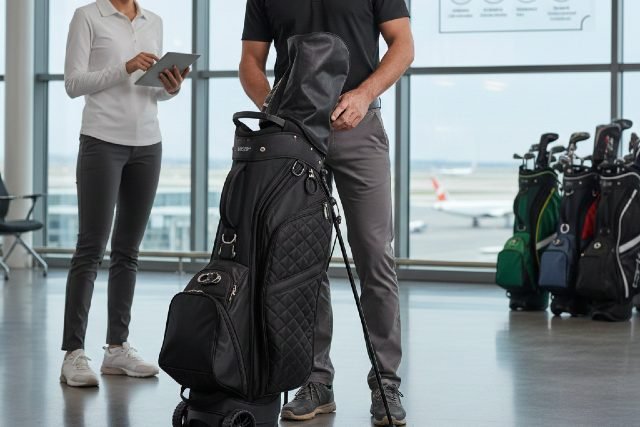
Traveling with golf clubs can be stressful, especially when flights, baggage handling, and tight schedules are involved. Choosing the right golf travel bag is not just a convenience decision but a critical investment in protecting expensive equipment. Professional golfers understand that one poor travel experience can result in damaged clubs, lost confidence, and missed performance goals.
- Why a Golf Travel Bag Is Essential for Air Travel
- Understanding Golf Travel Bag Types
- What Professionals Look for in a Golf Travel Bag
- How Pros Choose Between Soft and Hard Golf Travel Bags
- Expert Golf Travel Bag Buying Tips from the Pros
- Common Golf Travel Bag Mistakes to Avoid
- Choosing the Right Golf Travel Bag for Your Needs
- Frequently Asked Questions About Golf Travel Bags
- Final Thoughts on Golf Travel Bag Buying Tips
In this guide, you’ll discover practical, experience-based golf travel bag buying tips based on what touring professionals, coaches, and frequent golf travelers actually consider before boarding a plane. Whether you travel once a year or compete regularly, this article will help you select a golf travel bag that delivers protection, durability, and peace of mind.
Why a Golf Travel Bag Is Essential for Air Travel
Airlines handle thousands of bags daily, and sports equipment often receives rough treatment. Golf clubs are especially vulnerable due to long shafts, adjustable heads, and lightweight materials. Industry data from airline baggage claims shows that golf clubs rank among the most frequently damaged sports items during flights.
A high-quality golf travel bag reduces this risk by absorbing impact, preventing internal movement, and shielding clubs from crushing forces. Professionals rely on travel bags that allow them to focus on preparation rather than worrying about whether their driver will survive the journey.
Understanding Golf Travel Bag Types
Before examining features, it’s important to understand the two primary styles of golf travel bags and why professionals choose one over the other.
Hard-shell golf travel bags are built with rigid materials such as ABS plastic or polycarbonate. Professionals favor them for maximum protection, especially during long-haul and international flights. These bags are highly resistant to crushing and stacking, which is common in aircraft cargo holds. While they are heavier and take up more storage space, their durability makes them a trusted option for frequent travelers.
Soft-shell golf travel bags are constructed from reinforced fabrics like ballistic nylon or heavy-duty polyester. Many professionals use premium soft-shell bags for domestic or shorter trips. High-end models include reinforced tops, internal padding, and compression systems that significantly improve protection while keeping weight manageable.
What Professionals Look for in a Golf Travel Bag
Club Head and Shaft Protection
Protection is the single most important factor professionals evaluate. A well-designed golf travel bag stabilizes club heads and limits vertical movement that can cause shaft breaks. Touring pros often look for reinforced top sections, internal compression straps, and compatibility with stiff-arm support rods. Many professionals also remove adjustable driver heads before travel to further reduce risk.
Material Quality and Construction
Professionals examine material strength closely because a travel bag is expected to last for years. Durable fabrics, reinforced seams, and industrial-grade zippers are non-negotiable. Inferior stitching and weak zippers are among the most common failure points during airline handling. A premium golf travel bag is built to withstand repeated loading, unloading, and rough treatment.
Wheel Design and Mobility
Navigating airports with a fully loaded bag requires smooth, stable wheels. Professionals prefer inline skate-style wheels with sealed bearings that roll easily across different surfaces. A wide wheel base improves balance and reduces tipping, which is especially important when moving quickly through terminals or parking areas.
Weight and Airline Compliance
Airlines typically enforce a 50-pound weight limit for checked baggage. Professionals calculate the empty weight of the golf travel bag, the club set, and additional gear to avoid excess fees. Lightweight designs allow more flexibility when packing shoes, apparel, and accessories without exceeding airline limits.
Storage and Internal Organization
Professionals travel with more than just clubs. A well-designed golf travel bag includes separate compartments that keep shoes, apparel, and accessories secure while minimizing internal movement. Strategic packing reduces friction and impact, which helps preserve club integrity during transit.
How Pros Choose Between Soft and Hard Golf Travel Bags
Professional golfers select travel bags based on travel frequency, destination, and airline exposure. Those flying internationally or traveling multiple times per month tend to rely on hard-shell bags for maximum protection. Players traveling occasionally or domestically may choose premium soft-shell options that balance protection and portability. The decision is rarely based on appearance and almost always driven by performance and risk reduction.
Expert Golf Travel Bag Buying Tips from the Pros
Professionals emphasize testing wheel performance before purchasing. A bag that rolls smoothly when empty may struggle once loaded, so stability under weight is critical. Pros also avoid overpacking because excess pressure inside the bag increases the likelihood of broken shafts. Clothing and towels are often used strategically to add cushioning around club heads.
Another key tip is checking airline policies in advance. While many airlines allow golf travel bags as standard checked luggage, rules vary by carrier and region. Choosing a compliant golf travel bag helps avoid delays, fees, and last-minute repacking at the airport.
Most importantly, professionals view a golf travel bag as long-term insurance. Rather than replacing damaged clubs or buying multiple low-quality bags, they invest once in a reliable solution.
Common Golf Travel Bag Mistakes to Avoid
Amateur golfers often choose travel bags based solely on price or appearance. Ignoring wheel quality, material strength, and internal protection frequently leads to disappointment. Another common mistake is failing to consider storage space at home or in vehicles, which can make bulky bags inconvenient between trips.
Choosing the Right Golf Travel Bag for Your Needs
Occasional travelers typically benefit from lightweight, well-padded soft-shell bags that are easy to store and maneuver. Frequent flyers and competitive golfers are better served by hard-shell designs with reinforced protection and advanced security features. International travelers should prioritize crush resistance, weatherproof materials, and replaceable components to ensure long-term usability.
Frequently Asked Questions About Golf Travel Bags
A hard-shell golf travel bag is generally considered the safest option for flying because it offers the highest level of impact and crush protection. Many professional golfers use hard-shell bags when traveling frequently, while others rely on premium soft-shell bags combined with internal support systems. Golf travel bags are allowed on airplanes, but weight and size rules depend on the airline. Professionals typically invest more upfront, recognizing that a quality bag protects clubs worth several thousand dollars.
Final Thoughts on Golf Travel Bag Buying Tips
Choosing the right golf travel bag is about protection, reliability, and smart design rather than style. Professionals understand that damaged equipment can derail preparation and performance, which is why they prioritize quality over cost.
By following these expert-backed golf travel bag buying tips, you can travel confidently, protect your clubs, and arrive ready to play. Whether you’re heading to a weekend golf getaway or an international tournament, the right golf travel bag ensures your gear arrives exactly as it should.