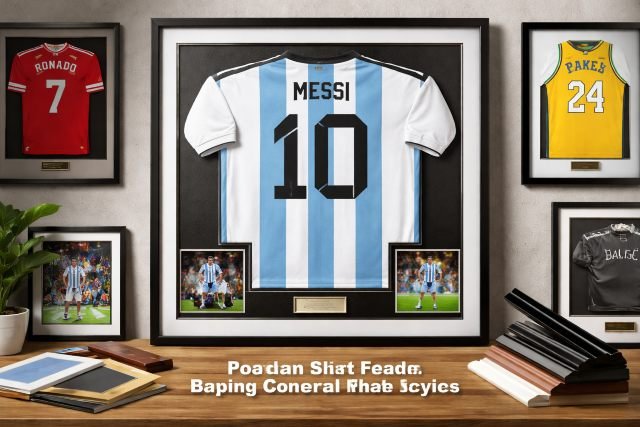
Framing a jersey is about far more than wall decoration. A carefully chosen football shirt frame protects sentimental value, preserves fabric quality, and transforms a shirt into a professional-looking display. Whether you own a signed shirt, a match-worn jersey, or a favorite club top, understanding materials, sizes, and styles will help you make the right long-term investment.
- Why a Football Shirt Frame Is Important
- What Is a Football Shirt Frame?
- Football Shirt Frame Materials Explained
- Football Shirt Frame Sizes and Fit
- Football Shirt Frame Styles and Display Options
- Custom Football Shirt Frames vs Ready-Made Frames
- How Football Shirts Should Be Mounted Safely
- Common Football Shirt Frame Buying Mistakes
- Best Places to Display a Framed Football Shirt
- Football Shirt Frame FAQs
- Expert Tips for Long-Term Preservation
- Conclusion
This detailed guide explains everything you need to know before buying a football shirt frame, including expert tips, common mistakes, and real-world framing advice used by professionals.
Why a Football Shirt Frame Is Important
A football shirt frame plays a critical role in preserving both emotional and monetary value. Jerseys are made from delicate synthetic fibers that react badly to sunlight, moisture, and poor mounting techniques. Without proper framing, colors fade, fabric weakens, and signatures deteriorate.
Textile conservation research shows that prolonged exposure to UV light can permanently fade sports fabrics within months. This is why professional framing materials are widely used by museums, sports collectors, and memorabilia dealers.
What Is a Football Shirt Frame?
A football shirt frame is a purpose-built display frame designed specifically to support and protect jerseys. Unlike standard picture frames, it provides enough depth for folded fabric and sleeves, includes acid-free mounting surfaces, and often uses UV-protective glazing.
Football shirt frames are also commonly referred to as jersey frames, sports shirt frames, or shadow box frames. While the names vary, the function remains the same: preservation and presentation.
Football Shirt Frame Materials Explained
Frame Construction Materials
Wood frames are often chosen for their traditional appearance and durability. They suit classic interiors and high-value displays but are typically heavier and more expensive. MDF frames are a more affordable alternative and are commonly used in ready-made football shirt frames. While lighter and budget-friendly, MDF is less durable than solid wood over time. Aluminum or metal frames offer a sleek, modern look and perform well in humid environments, though they may feel less warm or traditional in appearance.
Glazing Options and UV Protection
The front panel of a football shirt frame is one of its most important components. Standard glass offers clarity but minimal UV protection. Acrylic glazing, often referred to as Perspex, is lighter, safer, and clearer than glass. UV-protective acrylic blocks up to 99 percent of harmful ultraviolet rays and is considered the gold standard for signed or match-worn shirts.
According to museum framing standards published by the Smithsonian Institution, UV-filtering glazing is essential for long-term textile preservation.
Backing Boards and Mount Quality
The backing board should always be acid-free to prevent fabric discoloration and breakdown. Museum-grade foam boards and conservation mounts are designed to support the shirt without chemical reactions. Fabric or felt backgrounds are often used to improve contrast and presentation while maintaining breathability.
Football Shirt Frame Sizes and Fit
Choosing the correct size football shirt frame is essential to avoid creasing, stretching, or overcrowding. Adult football shirts typically fit comfortably in frames measuring around 30 by 40 inches. Oversized or long-sleeve shirts often require deeper and slightly larger frames, while youth shirts need smaller proportions to avoid excessive empty space.
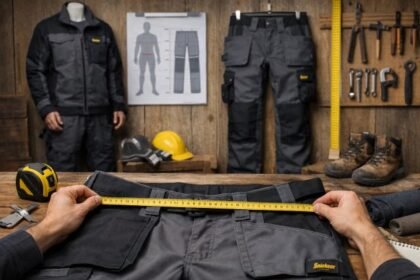
Before purchasing, always measure the shirt laid flat, including width, length, and sleeve span. This ensures the football shirt frame provides enough depth and surface area for a clean display.
Football Shirt Frame Styles and Display Options
Classic centered displays are the most common and feature neatly folded sleeves for a balanced, symmetrical look. This style works well in living rooms and offices where clean design is preferred.
Action-style displays extend the sleeves outward, showing the full shape of the shirt. These require deeper shadow box frames and are especially popular for signed jerseys because they maximize visible surface area.
Some football shirt frames also incorporate additional memorabilia such as match tickets, captain’s armbands, or engraved nameplates. These layouts create a storytelling display that adds emotional and collectible value.
Custom Football Shirt Frames vs Ready-Made Frames
Ready-made football shirt frames are widely available and offer a cost-effective solution for standard jerseys. They are ideal for casual displays and quick installations but may lack perfect fit and long-term preservation materials.
Custom football shirt frames are designed to exact measurements and allow full control over mount color, frame finish, glazing type, and layout. They are commonly used for valuable, signed, or match-worn shirts. Although more expensive, custom framing provides superior protection and presentation.
Collectors and memorabilia dealers generally recommend custom football shirt frames for any item with significant personal or resale value.
How Football Shirts Should Be Mounted Safely
Correct mounting is crucial to avoid permanent damage. Shirts should never be glued, taped, or pinned directly to the backing board. Professional framers use reversible stitching methods, fabric straps, or conservation mounting techniques that support the shirt without stressing the fibers.
The Fine Art Trade Guild strongly advises reversible mounting methods so garments can be removed in the future without damage.
Common Football Shirt Frame Buying Mistakes
Many buyers choose frames without UV protection, which leads to fading over time. Others overlook backing materials and unknowingly use acidic boards that cause yellowing. Shallow frames can compress fabric, while poor placement in direct sunlight accelerates deterioration. Avoiding these mistakes dramatically increases the lifespan of a framed jersey.
Best Places to Display a Framed Football Shirt
A football shirt frame should be hung in a location away from direct sunlight and excessive humidity. Home offices, hallways, and entertainment rooms are ideal. Kitchens and bathrooms should be avoided due to moisture and temperature fluctuations.
Maintaining a stable indoor environment helps preserve both the shirt and the frame itself.
Football Shirt Frame FAQs
A football shirt frame is best made using solid wood or aluminum combined with UV-protective acrylic and acid-free backing materials.
Most adult football shirts fit a frame measuring approximately 30 by 40 inches, although measurements should always be confirmed beforehand.
Signed football shirts can be safely framed if UV-protective glazing and museum-grade mounting techniques are used.
Acrylic glazing is generally better than glass because it is lighter, clearer, and provides superior UV protection.
Expert Tips for Long-Term Preservation
Rotating framed shirts every few years reduces prolonged light exposure. Certificates of authenticity should be stored behind the backing board rather than taped to the shirt. Acrylic panels should be cleaned only with microfiber cloths to prevent scratches.
Conclusion
Choosing the right football shirt frame is essential for preserving, protecting, and showcasing a jersey properly. By understanding frame materials, glazing options, correct sizing, and display styles, you can avoid common mistakes and create a professional-quality presentation. Whether you select a ready-made option or invest in a custom football shirt frame, the right choice ensures your football shirt remains a lasting tribute to the game and the memories behind it.