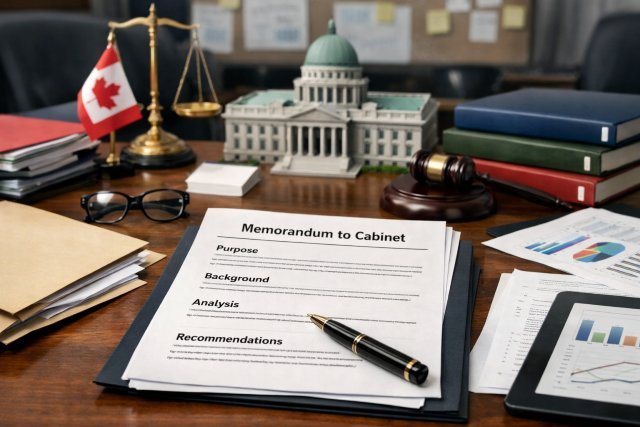
A Memorandum To Cabinet (MC) is one of the most important policy documents used in government decision-making. It provides ministers and cabinet members with detailed information, analysis, and recommendations on policy issues that require approval at the highest level of government.
- What is a Memorandum To Cabinet?
- Purpose of a Memorandum To Cabinet
- Why the Memorandum To Cabinet Matters in Government
- Standard Format of a Memorandum To Cabinet
- The Government Decision Process Behind a Memorandum To Cabinet
- Example Scenario: How a Memorandum To Cabinet Works
- Best Practices for Writing a Memorandum To Cabinet
- Common Challenges in the Memorandum To Cabinet Process
- Memorandum To Cabinet vs Other Government Documents
- Future Trends in Cabinet Decision-Making
- Frequently Asked Questions (FAQ)
- Conclusion
In most parliamentary systems, such as Canada, the United Kingdom, and other Commonwealth countries, a Memorandum To Cabinet serves as the official mechanism through which ministers seek cabinet approval for new policies, legislation, or major initiatives.
This guide explains the purpose, format, and decision-making process behind a Memorandum To Cabinet, along with practical examples and best practices used in government administration.
What is a Memorandum To Cabinet?
A Memorandum To Cabinet is a formal policy document prepared by a government department and submitted by a minister to the Cabinet for consideration and approval.
The document presents:
- A policy issue or problem
- Evidence and analysis
- Proposed solutions
- Financial implications
- Recommended course of action
According to the Government of Canada Privy Council Office, a Memorandum To Cabinet “seeks approval for policy decisions or authority to introduce legislation.”
In simple terms, the Memorandum To Cabinet acts as the foundation for government policy decisions.
Purpose of a Memorandum To Cabinet
The primary purpose of a Memorandum To Cabinet is to provide ministers with clear, evidence-based information so they can make informed policy decisions.
Key objectives include
1. Seeking Cabinet Approval
Government departments use an MC when they need authorization for:
- New laws or legislation
- Major government programs
- Policy reforms
- Budget allocations
Without Cabinet approval, most major policy initiatives cannot move forward.
2. Presenting Policy Analysis
A Memorandum To Cabinet explains:
- The policy problem
- Alternative solutions
- Risks and impacts
This ensures cabinet members understand the consequences of each option.
3. Coordinating Government Action
Cabinet decisions often involve multiple departments. The MC ensures all stakeholders understand the proposed policy direction.
4. Documenting Government Decisions
Once approved, the MC becomes part of the official government record guiding policy implementation.
Why the Memorandum To Cabinet Matters in Government
The Memorandum To Cabinet process is central to responsible government and collective decision-making.
Cabinet operates on the principle of collective responsibility, meaning decisions are made together rather than by individual ministers.
A well-written MC ensures that:
- Decisions are based on evidence
- Policies align with government priorities
- Financial and legal implications are understood
Policy experts consider the Memorandum To Cabinet one of the most influential documents in public administration.
For example, many major policies — such as environmental regulations, economic stimulus packages, or healthcare reforms — begin with an MC submitted to Cabinet.
Standard Format of a Memorandum To Cabinet
Although formats vary by country, most Memorandum To Cabinet documents follow a structured format to ensure clarity and consistency.
Typical Sections in a Memorandum To Cabinet
1. Issue
This section describes the policy problem or opportunity that requires Cabinet attention.
Example:
A department may highlight a rising housing affordability crisis requiring government intervention.
2. Background
The background section provides context such as:
- Historical developments
- Existing policies
- Stakeholder concerns
It ensures Cabinet members understand why the issue matters.
3. Analysis
This is often the most detailed part of the MC.
It includes:
- Policy options
- Benefits and risks
- Economic analysis
- Social and environmental impacts
Departments typically present multiple alternatives.
4. Financial Implications
Cabinet must understand the cost of proposed policies.
The MC therefore outlines:
- Budget requirements
- Funding sources
- Long-term financial impact
5. Legal Considerations
If the proposal requires legislation or regulatory changes, the MC explains the legal implications.
6. Consultations
This section describes consultations with:
- Other government departments
- Provincial or regional governments
- Stakeholders and experts
7. Communications Strategy
Major policies require public communication plans.
The MC outlines how the government will announce and explain the decision.
8. Recommendation
Finally, the Memorandum To Cabinet includes a clear recommendation from the minister.
Cabinet members vote on whether to approve the recommendation.
The Government Decision Process Behind a Memorandum To Cabinet
Understanding the Memorandum To Cabinet process helps explain how governments make major policy decisions.
1. Policy Development
Government departments identify policy issues through:
- Research and analysis
- Public consultations
- Political priorities
Policy analysts prepare initial proposals.
2. Drafting the Memorandum To Cabinet
Policy teams work with senior officials and legal experts to draft the MC.
This process may take weeks or months.
The document must be clear, accurate, and politically aligned with government priorities.
3. Interdepartmental Review
Before reaching Cabinet, the MC is reviewed by:
- Central agencies (e.g., Treasury Board)
- Other departments affected by the policy
This ensures coordination across government.
4. Cabinet Committee Review
Most Memorandum To Cabinet submissions first go to a Cabinet committee responsible for the policy area.
Examples include committees for:
- Economic policy
- Social policy
- Environment and climate
Committees analyze the proposal and recommend whether Cabinet should approve it.
5. Cabinet Decision
Finally, the proposal reaches the full Cabinet meeting.
Ministers discuss the MC and decide whether to:
- Approve the proposal
- Modify the recommendation
- Reject the proposal
Once approved, departments move forward with implementation.
Example Scenario: How a Memorandum To Cabinet Works
Imagine a government wants to introduce a national clean energy program.
The responsible ministry prepares a Memorandum To Cabinet outlining:
- The climate challenge
- Current energy policies
- Proposed renewable energy investments
The MC presents options such as:
- Tax incentives for renewable energy
- Direct government investment
- Regulatory changes
After reviewing the analysis and costs, Cabinet approves the recommended option.
The government then announces the policy and begins implementation.
Best Practices for Writing a Memorandum To Cabinet
Writing an effective Memorandum To Cabinet requires both policy expertise and strategic communication.
1. Focus on the Decision
Cabinet members often review many documents. The MC must clearly state the decision required.
2. Present Evidence
Strong policy proposals rely on:
- Data
- research
- expert analysis
Using evidence strengthens credibility.
3. Keep Language Clear
Cabinet documents should avoid unnecessary technical jargon.
Clear writing helps ministers quickly understand the issue.
4. Address Risks
Every policy has risks.
A strong MC identifies potential challenges and explains mitigation strategies.
5. Align With Government Priorities
Policies that align with political priorities are more likely to receive approval.
Common Challenges in the Memorandum To Cabinet Process
Despite its importance, the Memorandum To Cabinet process can face several challenges.
Time Constraints
Urgent policy issues may require rapid MC preparation.
This can limit consultation and analysis.
Political Considerations
Policy decisions are influenced not only by evidence but also by political strategy.
Interdepartmental Conflicts
Different departments may disagree on policy options.
Resolving these differences is often a key part of the MC development process.
Memorandum To Cabinet vs Other Government Documents
A Memorandum To Cabinet differs from other policy documents used in government.
Memorandum To Cabinet vs Treasury Board Submission
A Treasury Board submission focuses on financial approval and implementation details.
An MC focuses on policy approval.
Memorandum To Cabinet vs Briefing Note
A briefing note provides information to a minister but does not seek Cabinet approval.
An MC, however, requests a formal government decision.
Future Trends in Cabinet Decision-Making
The Memorandum To Cabinet process is evolving as governments adopt digital tools and data-driven policymaking.
Emerging trends include:
- Evidence-based policy analysis
- Greater stakeholder consultation
- Digital policy platforms
- Cross-government collaboration
These innovations aim to improve transparency and policy effectiveness.
Organizations such as the OECD highlight the importance of evidence-informed policymaking in modern government.
Frequently Asked Questions (FAQ)
What is a Memorandum To Cabinet?
A Memorandum To Cabinet is a formal document used by government ministers to request policy approval from Cabinet.
Who writes a Memorandum To Cabinet?
Policy analysts and government officials draft the MC within a department, but it is formally submitted by the responsible minister.
What happens after a Memorandum To Cabinet is approved?
Once Cabinet approves the proposal, the government department begins implementing the policy or drafting legislation.
Is a Memorandum To Cabinet public?
In many countries, MC documents remain confidential for several years because they involve sensitive government decision-making.
Conclusion
The Memorandum To Cabinet plays a critical role in government policymaking. It provides the structure through which ministers present policy proposals, analyze options, and seek approval from Cabinet.
By ensuring decisions are supported by evidence, financial analysis, and stakeholder consultation, the Memorandum To Cabinet helps governments make informed and coordinated policy choices.
For policy professionals, understanding how to prepare and present a strong MC is essential. When written effectively, a Memorandum To Cabinet can shape major government decisions and influence national policy for years to come.