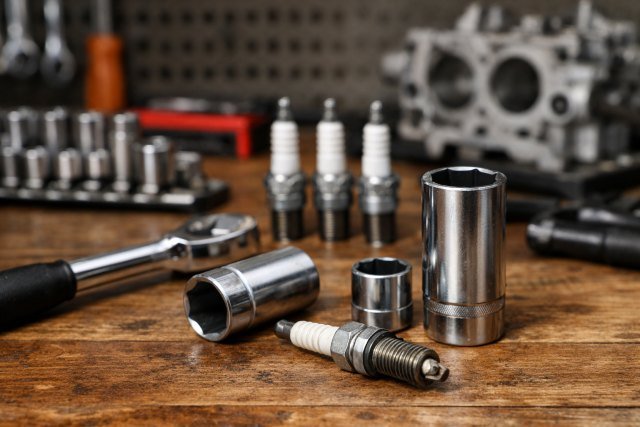
A spark plug socket is a specialized tool designed to safely remove and install spark plugs in internal combustion engines. Unlike standard sockets, it includes a rubber insert or magnetic core that securely holds the spark plug, preventing damage during removal or installation.
- What Is a Spark Plug Socket and Why Is It Important?
- Best Uses of a Spark Plug Socket
- Spark Plug Socket Sizes Explained
- Types of Spark Plug Sockets
- How to Choose the Right Spark Plug Socket
- Step-by-Step Guide: How to Use a Spark Plug Socket
- Expert Tips for Using a Spark Plug Socket
- Common Mistakes to Avoid
- Real-World Scenario: DIY vs Professional Use
- Frequently Asked Questions (FAQ)
- Conclusion: Why a Spark Plug Socket Is Essential
Whether you’re a DIY car enthusiast or a professional mechanic, using the correct spark plug socket ensures efficiency, precision, and protection of engine components. In this guide, you’ll learn about the best uses, common sizes, and expert-level tips to get the most out of your spark plug socket.
What Is a Spark Plug Socket and Why Is It Important?
A spark plug socket is engineered specifically for spark plugs, which are delicate and located deep within the engine cylinder head. Standard sockets often fail to grip properly, increasing the risk of cracking the ceramic insulator.
According to automotive maintenance experts at , improper handling during installation is one of the leading causes of spark plug failure.
Key Reasons It Matters
- Prevents damage to spark plugs
- Ensures proper torque application
- Improves safety during installation
- Enhances engine performance longevity
Best Uses of a Spark Plug Socket
1. Removing Old Spark Plugs
The primary use of a spark plug socket is to remove worn or faulty spark plugs. The rubber insert grips the plug securely, allowing smooth extraction without dropping it into the engine bay.
2. Installing New Spark Plugs
When installing new plugs, precision is critical. A spark plug socket helps align the plug correctly and reduces the risk of cross-threading.
3. Working in Tight Engine Spaces
Modern engines often have compact designs. Spark plug sockets, especially those with extensions, make it easier to reach deep-set plugs.
4. Preventing Ceramic Damage
The ceramic insulation on spark plugs is fragile. The internal cushioning in spark plug sockets protects it during handling.
Spark Plug Socket Sizes Explained
Choosing the correct size is crucial for proper fit and function. Spark plug sockets come in a few standard sizes, depending on the engine type.
Common Spark Plug Socket Sizes
- 5/8 inch (16mm) – Most modern vehicles
- 13/16 inch (21mm) – Older vehicles
- 9/16 inch (14mm) – Some newer compact engines
- 3/4 inch (19mm) – Specialty applications
Using the wrong size can strip the plug or make removal difficult.
According to , over 70% of DIY spark plug issues stem from incorrect socket sizing or improper tools.
Types of Spark Plug Sockets
Rubber Insert Sockets
These are the most common. The rubber insert grips the spark plug firmly and protects it from damage.
Magnetic Sockets
Instead of rubber, these use magnets to hold the spark plug. They offer better durability and are easier to clean.
Swivel (Universal Joint) Sockets
Designed for hard-to-reach areas, these sockets allow angled access to spark plugs in tight spaces.
How to Choose the Right Spark Plug Socket
Selecting the right spark plug socket depends on several factors:
Engine Type
Different engines require different spark plug sizes. Always consult your vehicle manual.
Socket Depth
Deep sockets are necessary for recessed spark plugs.
Material Quality
Look for chrome vanadium steel for durability and corrosion resistance.
Drive Size Compatibility
Ensure compatibility with your ratchet (commonly 3/8-inch drive).
Step-by-Step Guide: How to Use a Spark Plug Socket
Step 1: Prepare the Engine
Allow the engine to cool completely to avoid burns or thread damage.
Step 2: Remove Ignition Components
Disconnect ignition coils or spark plug wires carefully.
Step 3: Insert the Spark Plug Socket
Attach the socket to an extension and ratchet, then carefully insert it into the spark plug well.
Step 4: Loosen the Spark Plug
Turn counterclockwise to remove. Apply steady pressure.
Step 5: Install the New Spark Plug
Insert the new plug into the socket and thread it by hand first to avoid cross-threading.
Step 6: Tighten to Proper Torque
Use a torque wrench for accuracy. Over-tightening can damage the engine head.
For torque specifications, refer to .
Expert Tips for Using a Spark Plug Socket
Always Start by Hand
Threading the spark plug by hand reduces the risk of cross-threading.
Use a Torque Wrench
Proper torque ensures optimal performance and prevents damage.
Apply Anti-Seize Sparingly
Only use anti-seize if recommended by the manufacturer.
Check Gap Before Installation
Ensure the spark plug gap matches your engine requirements.
Clean Around the Plug
Remove debris before removing the spark plug to prevent contamination.
Common Mistakes to Avoid
Using the Wrong Socket Size
This can strip the plug or cause it to get stuck.
Over-Tightening
Excess torque can damage threads and lead to costly repairs.
Skipping Engine Cooling
Working on a hot engine can cause thread distortion.
Ignoring Manufacturer Guidelines
Always follow the specifications provided by your vehicle manufacturer.
Real-World Scenario: DIY vs Professional Use
A DIY enthusiast replacing spark plugs at home may save $100–$200 in labor costs. However, improper installation can lead to engine misfires or reduced fuel efficiency.
Professional mechanics rely on high-quality spark plug sockets and torque tools to ensure precision. Investing in the right tools bridges this gap for DIY users.
Frequently Asked Questions (FAQ)
What size spark plug socket do I need?
Most modern vehicles use a 5/8-inch (16mm) spark plug socket, but always check your vehicle manual for accuracy.
Can I use a regular socket instead of a spark plug socket?
No, regular sockets lack the rubber insert or magnetic feature needed to protect and hold the spark plug.
How tight should a spark plug be?
Tighten to the manufacturer’s recommended torque, typically between 15–30 Nm depending on the engine.
How often should spark plugs be replaced?
Most spark plugs should be replaced every 30,000 to 100,000 miles, depending on the type.
Conclusion: Why a Spark Plug Socket Is Essential
A spark plug socket is more than just another tool — it’s a critical component for safe and effective engine maintenance. From choosing the correct size to applying expert techniques, using the right spark plug socket ensures optimal performance, prevents costly damage, and extends the life of your engine.
Whether you’re maintaining your car at home or working professionally, investing in a high-quality spark plug socket and following best practices will deliver reliable results every time.