If you’ve ever finished a long shift with aching arches, sore heels, or tired calves, you already know this: your shoes can make or break your workday. The good news? You don’t have to spend premium-sneaker money to get work trainers that support your feet, keep you safe, and still look stylish enough for a uniform or a smart-casual workplace.
- What Are Work Trainers?
- Why Affordable Work Trainers Matter More Than You Think
- What “Affordable” Actually Means When Buying Work Trainers
- How to Choose Work Trainers That Feel Great and Look Stylish
- Cushioning That Holds Up on Hard Floors
- Stability and Support for Long Shifts
- Slip Resistance for High-Risk Floors
- Breathability and Heat Management
- Style That Looks Professional Anywhere
- Best Affordable Work Trainers by Job Type
- How to Make Budget Work Trainers Feel Premium
- Real-World Scenarios That Make Choosing Easy
- Common Mistakes People Make When Buying Work Trainers
- FAQs
- Conclusion: Comfortable, Stylish Work Trainers Don’t Have to Be Expensive
People who spend long hours standing or walking at work are more likely to experience lower-limb discomfort and fatigue. Occupational health research often points to footwear as one of the easiest and most effective ways to improve comfort and reduce strain during prolonged standing. And in jobs where floors can be wet or slippery, shoes with reliable traction are not just about comfort—they’re about safety. Organizations such as NIOSH frequently emphasize slip prevention as a key workplace safety priority, and slip-resistant footwear is commonly recommended for roles like food service and healthcare.
What Are Work Trainers?
Work trainers are shoes chosen specifically for long shifts, prolonged standing, or jobs that demand constant walking. Unlike fashion sneakers, work trainers are built or selected with comfort and durability in mind. They tend to have cushioning that holds up on hard floors, stable midsoles that reduce fatigue, and outsole grip that can help prevent slips. Many also use tougher materials so they withstand daily wear while staying presentable.
The goal is simple: work trainers should feel good for hours, protect your feet, and still look professional enough for your workplace.
Why Affordable Work Trainers Matter More Than You Think
The right shoes reduce discomfort and help you stay productive. When your trainers lack cushioning or stability, your feet absorb more impact and your posture often compensates. Over time, that can lead to fatigue not just in the feet, but also in ankles, knees, and lower back.
Affordable doesn’t mean low quality. It means paying for what actually matters. Many expensive trainers charge for branding or design, while some budget-friendly work trainers deliver exactly what you need: comfort, grip, durability, and a clean look.
If you work in food service, healthcare, or anywhere with smooth floors, traction matters even more. Slips and falls remain one of the most common workplace hazards, and many safety organizations recommend prevention strategies that include slip-resistant footwear in high-risk roles.
What “Affordable” Actually Means When Buying Work Trainers
A smart budget range depends on how often you wear the shoe and how intense your workdays are. If you wear work trainers five days a week, the best value usually sits in the mid-budget range because those shoes often last longer and provide better cushioning.
Most people find strong options between $40 and $120. Under $40 can work for light use, but it often comes with compromises like thin insoles, weaker outsole grip, or faster breakdown. If your job involves high step counts or long standing, spending slightly more can reduce replacement frequency and improve daily comfort.
How to Choose Work Trainers That Feel Great and Look Stylish
The easiest way to buy the right work trainers is to match the shoe features to your job environment. A trainer that works for an office worker may fail in a kitchen. A shoe that works for retail may not provide enough slip resistance for food service.
Below are the most important features to look for when choosing affordable work trainers that still look stylish.
Cushioning That Holds Up on Hard Floors
Hard surfaces like tile, concrete, and hospital flooring increase impact on your feet. That’s why cushioning is often the first thing you should evaluate.
Look for trainers with foam midsoles that feel supportive rather than soft and unstable. A shoe that feels extremely squishy in the store can sometimes compress quickly and become uncomfortable within weeks. A slightly firmer cushioned midsole usually lasts longer and supports your gait better.
A removable insole is a bonus because it allows you to upgrade comfort later without changing shoes.
Stability and Support for Long Shifts
Cushioning alone isn’t enough. If your shoe is unstable, your foot may roll inward or your ankle may shift more than it should, leading to fatigue and discomfort.
A stable work trainer usually has a structured heel counter, which is the firm section at the back of the shoe that helps hold the heel in place. It also has a wider outsole base so the shoe doesn’t tip easily. These features matter most for workers who stand all day, such as retail workers, reception staff, nurses, and warehouse employees.
Arch support should be moderate rather than extreme for most people. Too much arch support can feel uncomfortable unless your foot shape requires it. If you need stronger arch support, it’s often easier to add it using supportive insoles.
Slip Resistance for High-Risk Floors
If you work around wet floors, kitchen grease, spills, or polished tile, slip resistance is essential. You should prioritize outsole grip even above style, because a slip-resistant outsole protects you and prevents unnecessary injuries.
Look for trainers that specifically mention slip resistance, and check the outsole pattern. Deep treads and rubber-based outsoles often perform better than smooth or plastic-based soles. Some work trainers are designed specifically for hospitality and healthcare environments and focus heavily on traction.
Even if your workplace doesn’t require slip-resistant shoes, many people still prefer them because they add confidence when walking on slick surfaces.
Breathability and Heat Management
Comfort isn’t just cushioning. Heat and sweat can make shoes feel uncomfortable, slippery inside, and unpleasant after a long shift.
If you work in warm environments or move constantly, breathable mesh uppers help. However, if you work in food service where spills are common, a less breathable but more wipeable upper may be better. In those situations, breathable socks can help balance comfort.
Odor control is also easier when you rotate shoes and allow them to fully dry between wears.
Style That Looks Professional Anywhere
Stylish work trainers usually share one key trait: simplicity. Workplaces tend to prefer clean lines, minimal branding, and neutral colors.
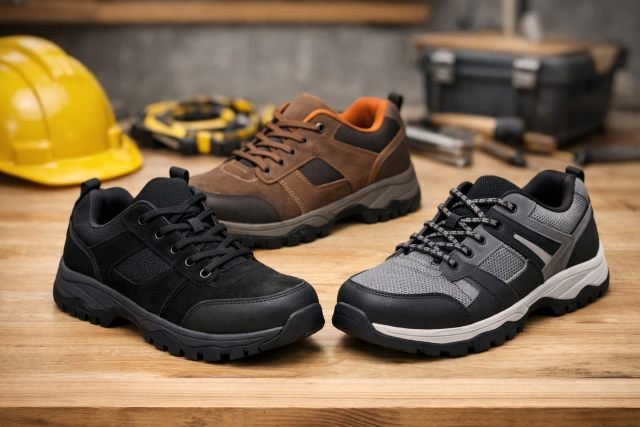
All-black work trainers are often the safest choice because they hide dirt, match uniforms, and look professional in most workplaces. White trainers look fresh and modern but require more cleaning and stain care. Neutral colors like grey, navy, and beige offer a good balance of style and maintenance.
If you want trainers that work in business-casual settings, look for leather or synthetic overlays that make the shoe look more polished. A trainer with a sleek silhouette often looks better than a bulky running shoe, even if both are comfortable.
Best Affordable Work Trainers by Job Type
Different jobs demand different features. Choosing based on your work environment helps you avoid wasted money and uncomfortable shoes.
Healthcare workers often benefit from supportive, cushioned trainers that handle long walking shifts and hard flooring. Many prefer shoes that are easy to wipe clean. A slightly rockered sole can also reduce pressure on the heel and forefoot.
Retail workers and hospitality staff usually need stable cushioning because standing all day causes fatigue. Breathability matters too, especially in busy environments. A neutral, professional look is also important for customer-facing roles.
Food service workers should prioritize slip resistance and easy-clean materials. Many kitchens require a closed-toe shoe, and the outsole must grip well on wet, greasy floors. In these roles, style should come second to safety, but many slip-resistant work trainers now come in clean, modern silhouettes.
Warehouse and light industrial workers often need more durability and sometimes toe reinforcement. If your job requires toe protection, you may need safety trainers, but if you are not required to wear safety toes, a durable cushioned trainer with a reinforced upper can work well.
How to Make Budget Work Trainers Feel Premium
One of the best ways to get a premium experience on a budget is to improve the parts that budget shoes often compromise on.
Upgrading the insoles can dramatically improve comfort and arch support. Many budget shoes come with thin insoles that flatten quickly. A better insole can reduce heel pain, improve stability, and make the shoe feel more supportive.
Socks also play a bigger role than most people expect. Thick, cushioned socks reduce pressure points, and moisture-wicking socks help manage heat and odor. Compression socks are often helpful for people who stand all day because they can reduce swelling and fatigue.
Rotating two pairs of work trainers can extend lifespan and improve comfort. Foam midsoles recover when they rest, so alternating shoes helps maintain cushioning longer. It also reduces odor buildup.
If your workplace allows it, anti-fatigue mats are another comfort upgrade that supports legs and feet during prolonged standing.
Real-World Scenarios That Make Choosing Easy
If you walk 10,000 steps a day in retail, you should prioritize stability and cushioning. A supportive walking-style trainer with a stable heel and a cushioned midsole will usually feel better than a lightweight minimalist sneaker.
If you work in a café or restaurant, traction is your priority. Slip-resistant work trainers with a strong rubber outsole and easy-clean upper are the safest and most practical option.
If you work in an office with business casual dress, you’ll want a clean, sleek trainer with minimal branding. Leather-look trainers or all-black minimalist trainers are often the most versatile choice, because they match trousers, chinos, and smart-casual outfits.
Common Mistakes People Make When Buying Work Trainers
One of the biggest mistakes is choosing style alone. If a shoe doesn’t support you, you’ll feel it within a few shifts and may end up replacing it quickly.
Another mistake is ignoring outsole grip. Even small slips can cause injuries, and traction helps reduce the risk.
Many people also buy shoes that are too narrow. If your toes feel cramped, you’ll likely develop discomfort over time. In many cases, simply choosing a wide-fit option improves comfort dramatically.
Lastly, wearing one pair every day without rotation can shorten shoe lifespan and reduce comfort. Foam breaks down faster when it’s constantly compressed without rest.
FAQs
What are the best affordable work trainers?
The best affordable work trainers combine cushioning, stability, and grip while staying in a budget-friendly price range. Focus on comfort features and outsole quality rather than branding.
Are work trainers different from regular sneakers?
Yes. Work trainers are chosen for long shifts, durability, and sometimes slip resistance. Regular sneakers often prioritize style over long-wear performance.
What work trainers are best for standing all day?
For standing all day, choose trainers with a cushioned midsole, stable heel support, a structured upper, and a comfortable toe box. Removable insoles are also helpful for upgrades.
Do slip-resistant trainers really help?
Yes. Slip-resistant outsoles improve traction on wet or greasy floors and are widely recommended for roles like kitchens, healthcare, and cleaning jobs.
How often should I replace work trainers?
Most people replace work trainers every 6 to 12 months with moderate use. If you work high-mileage shifts, you may need replacement every 3 to 6 months. Replace sooner if cushioning feels flat or tread is worn.
Conclusion: Comfortable, Stylish Work Trainers Don’t Have to Be Expensive
You can absolutely find affordable work trainers that still look stylish. The key is choosing based on your job needs and focusing on features that matter most: cushioning for hard floors, stability for long shifts, slip resistance when safety is a concern, and clean styling that fits your workplace.
If you want maximum comfort on a budget, upgrade your insoles, wear supportive socks, and rotate your shoes. These small changes make a big difference and help your work trainers last longer.