What Makes a True Panama Hat?
A genuine Panama hat, traditionally called a Toquilla straw hat, is one of the world’s most admired handmade accessories. Although it carries the name “Panama,” the hat’s true origin is Ecuador, where artisans craft it from the fibers of the Carludovica palmata plant. The level of craftsmanship, the fineness of each strand, and the weaving method all determine the hat’s grade, durability, and overall value. This guide explains the different Panama hat weaves, clarifies grading systems, and offers practical advice on identifying real quality whether you’re a first-time buyer or a seasoned collector.
What Is a Panama Hat?
A Panama hat is a handwoven Ecuadorian hat made from toquilla straw. It became internationally recognized during the era of the Panama Canal, when workers wore these hats for sun protection. President Theodore Roosevelt famously wore one during his visit to the canal site, launching the hat into global fashion. Authentic Panama hats are lightweight, breathable, flexible, and capable of lasting for many years when cared for properly. Because they are woven by hand rather than produced by machines, every Panama hat carries the unique touch of the artisan who made it.
Types of Panama Hat Weaves
Understanding the weave style is one of the most important steps to evaluating a Panama hat. Each weave contributes a different look, texture, and level of quality.
Brisa Weave
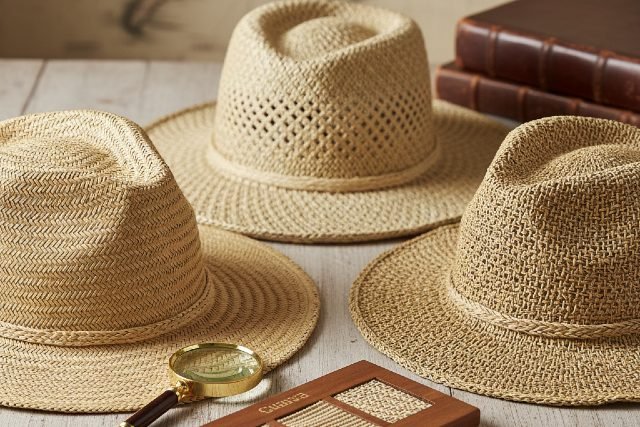
The Brisa weave is one of the most common and recognizable styles. It is known for its small, diamond-shaped pattern that creates a consistent and tidy appearance. The weave allows excellent airflow and feels comfortable in warm climates. Because it typically requires less time to complete than fine-grade weaves, Brisa hats are usually more budget-friendly, making them ideal for everyday wear or for buyers who want the look of a traditional Panama hat without investing in a high-end piece.
Llano (Liso) Weave
The Llano or Liso weave offers a smoother and more refined texture. Its pattern resembles soft ripples or herringbone lines that give the hat a clean, elegant visual effect. This weave requires more skill and attention than Brisa, so hats made with Llano weaving tend to fall into a higher quality category. They appeal to people who want a premium texture without the extreme fineness and cost of the rarest Panama hats.
Fino and Fino Fino Weave
The Fino and Fino Fino weaves represent the highest level of craftsmanship. These hats feature remarkably tight weaves that can appear almost seamless, creating a smooth, silk-like surface. Producing a Fino or Fino Fino hat can take months of meticulous work, and the result is a flexible, luxurious hat that often becomes an heirloom. Because of their rarity and the time required to make them, these hats are among the most valuable in the world.
Cuenca Weave
The Cuenca weave comes from the city of Cuenca and is sometimes mistaken for Brisa. It typically features a gentle chevron pattern that lies between Brisa and Llano in appearance and quality. Cuenca hats offer a wide variety of shapes and styles, making them a popular mid-range choice for buyers who want versatility and beauty without the extremely high price of Montecristi-grade hats.
Montecristi Weave
The Montecristi weave is considered the finest and most prestigious Panama hat weave in existence. Hats from Montecristi are known for their exceptional fineness, precise weave counts, and extraordinary craftsmanship. A single Montecristi hat can take several months to complete, and the best examples can command prices from hundreds to several thousands of dollars. A true Montecristi Panama hat is often viewed as the pinnacle of the art form.
Panama Hat Grades Explained
The grading of Panama hats can be confusing because there is no universal standard used across all sellers. However, there are a few widely recognized methods that give buyers a more objective sense of quality.
Weave Count Per Square Inch
The weave count per square inch is the most reliable way to assess hat quality. Lower counts indicate a more open and casual weave, while higher counts reveal a tighter, finer pattern. Hats with weave counts between 100 and 200 are typically considered good everyday quality. Premium hats fall between 300 and 500, while luxury hats range from 600 to 900. Anything above that is considered museum-quality and extremely rare, sometimes reaching up to 2000 weaves per square inch.
Fino, Superfino, and Fino Fino Labels
These traditional labels are often used by sellers but are not standardized. Generally, “Fino” represents a fine weave, “Superfino” indicates a very fine weave, and “Fino Fino” refers to exceptionally fine work. Because these labels vary among vendors, it is always best to request an actual weave count before making a purchase.
Artisan Grading
Some workshops develop their own grading systems, such as “Grade 10,” “Grade 20,” or similar scales. These are unique to each producer, so they are useful only when comparing hats from the same brand. When purchasing internationally, the safest approach is to rely on weave count and visual inspection rather than internal grading numbers.
Factors That Affect Panama Hat Value
The value of a Panama hat depends on several interconnected elements. The most important is origin. Hats produced in Montecristi are generally the most sought after because the region has a longstanding tradition of ultra-fine weaving. Hats from Cuenca are more affordable but offer excellent style and reliability, while mid-range hats from the highlands of Manabí balance quality and accessibility.
Weave fineness is another essential factor. A finer weave requires more time, patience, and skill from the artisan. Some master weavers spend three to six months completing a single Fino Fino hat, which significantly increases its value. Straw quality also influences price. The most desirable hats display uniform color, smooth texture, and thin, pliable fibers. Hats that feel stiff or show inconsistent color are typically of lower quality.
The blocking and finishing process also affects value. Blocking refers to shaping the hat using a wooden or metal mold. A well-blocked hat has clean lines, a balanced silhouette, and a shape that maintains structure over time. Finally, brand reputation plays a crucial role. Trusted makers with decades of experience often provide certifications and maintain consistent quality across their collections.
How to Identify a Genuine Panama Hat
Identifying a real Panama hat begins with observing the weave up close. A true Panama hat shows even, careful weaving with natural variations that prove it was made by hand. One of the most recognizable features is the “crooked rose,” a small circular rosette at the top of the crown where the weaving begins. This detail is almost impossible to replicate using machines.
Authentic toquilla straw has a subtle, earthy scent and a smooth yet flexible feel. The hat should not feel plasticky or overly rigid. Labels can also help confirm authenticity. Many genuine hats include tags that say “Hecho en Ecuador” or provide a certificate of origin. High-quality sellers often include the artisan’s name or workshop details.
Flexibility offers another clue. Fine Panama hats bend or roll gently without cracking, while mid-grade hats offer some flexibility but should not be rolled tightly. If a hat feels brittle or snaps when slightly bent, it is either low quality or not real toquilla straw.
Frequently Asked Questions
Why are authentic Panama hats so expensive?
Authentic Panama hats are expensive because each one is woven entirely by hand. Some of the finest hats require months of continuous work and are created by artisans who have spent their entire lives mastering the craft.
Are Panama hats actually made in Panama?
No. Even though the name suggests Panama, true Panama hats are exclusively made in Ecuador using traditional techniques.
What is the best weave for first-time buyers?
Many first-time buyers choose Brisa or Cuenca weaves because they offer a balance of durability, elegance, and affordability.
Can a Panama hat be rolled without damage?
Only finer weaves such as Fino and Fino Fino can be safely rolled. Rolling a mid-grade hat may create creases or damage the straw.
How should I clean a Panama hat?
Cleaning should be done gently. A soft brush or a slightly damp cloth is usually enough to remove dust. The hat should never be soaked in water, and storage should be in a cool, dry place away from direct sunlight.
Conclusion
Understanding the differences between authentic Panama hat weaves, grades, and quality factors makes it much easier to choose a hat that matches your needs and expectations. Each weave style — from Brisa to Montecristi — offers its own aesthetic and level of craftsmanship. When you know how to examine weave fineness, origin, flexibility, and finish quality, you are better equipped to recognize a hat that offers both beauty and long-term value. A genuine Panama hat is more than a stylish accessory; it is a remarkable piece of Ecuadorian tradition. With proper care, it can serve you for many years and even become a cherished heirloom.