A belt size chart is one of the most useful yet misunderstood tools in fashion and apparel sizing. In the first moments of buying a belt, many people assume it works the same way as trouser sizes, only to end up with a belt that is too tight, too loose, or visually unbalanced. Understanding how a belt size chart works can save time, money, and frustration.
- What Is a Belt Size Chart?
- Why Belt Sizing Is Different From Waist Size
- How to Measure Your Waist Correctly for a Belt Size Chart
- Understanding Belt Length and Hole Placement
- Belt Size Chart for Men Explained
- Belt Size Chart for Women Explained
- International Belt Size Chart Differences
- Leather Belts and Sizing Considerations
- Casual vs Formal Belts and Size Accuracy
- Common Mistakes When Using a Belt Size Chart
- How Online Shopping Makes Belt Size Charts Essential
- Belt Size Chart for Gift Buying
- Children and Teen Belt Size Charts
- Real-Life Scenario: Avoiding the Wrong Belt Size
- Expert Tips for Perfect Belt Fit
- Authoritative Guidance on Apparel Sizing
- Frequently Asked Questions About Belt Size Chart
- Conclusion: Why Understanding a Belt Size Chart Matters
Whether you are shopping online, buying a gift, or upgrading your wardrobe, knowing how to read a belt size chart ensures accuracy and comfort. This guide explains waist measurements, belt sizing standards, international differences, and practical tips so you can confidently choose the right belt every time.
What Is a Belt Size Chart?
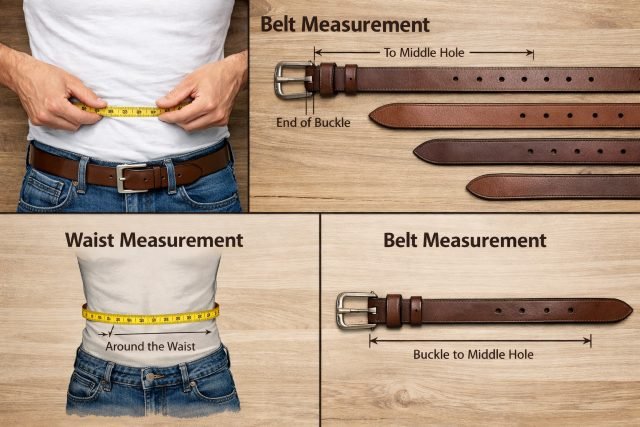
A belt size chart is a reference guide that matches waist measurements to corresponding belt lengths. Unlike pants, belt sizes are typically measured from the buckle to the most-used hole, not the total belt length.
This distinction is critical. A belt labeled as size 34 does not mean the belt is 34 inches long end to end. Instead, it is designed to fit a waist measurement of approximately 34 inches when worn comfortably.
According to apparel industry guidelines published by the Fashion Institute of Technology, misunderstanding accessory sizing is one of the top reasons for product returns in online shopping.
Why Belt Sizing Is Different From Waist Size
One of the most common mistakes shoppers make is equating belt size directly with pant size. While related, they are not identical.
Most belts are designed to be worn with the buckle fastened at the middle hole. This allows flexibility for weight fluctuations and layering. As a result, the belt size usually measures two inches larger than the actual waist measurement.
For example, someone with a 32-inch waist typically wears a 34-inch belt. A belt size chart makes this relationship clear and prevents guesswork.
How to Measure Your Waist Correctly for a Belt Size Chart
Accurate measurement is the foundation of using a belt size chart effectively. Waist measurement should be taken where the belt will naturally sit, usually through the belt loops of trousers.
Using a flexible measuring tape, wrap it snugly but not tightly around your waist. The tape should remain level and parallel to the floor for accuracy.
Textile research from the International Organization for Standardization emphasizes that consistent measuring methods significantly reduce sizing errors across apparel and accessories.
Understanding Belt Length and Hole Placement
Belt length is measured from the inside edge of the buckle to the center hole. This is the standard reference point used in most belt size charts.
The extra length beyond the last hole allows the belt to wrap around comfortably and tuck neatly. A well-fitted belt should have two to three holes available on either side of the fastened hole.
This design ensures both comfort and aesthetic balance, especially when wearing formal or tailored outfits.
Belt Size Chart for Men Explained
Men’s belt size charts are generally straightforward but still vary slightly by brand. Most men’s belts are sized in even numbers, such as 32, 34, 36, and so on.
The key principle is consistency. If you know your true waist measurement, adding two inches usually gives you the correct belt size according to a standard belt size chart.
Men who frequently wear belts with different rise trousers, such as low-rise jeans versus high-rise dress pants, may benefit from owning belts in multiple sizes.
Belt Size Chart for Women Explained
Women’s belt size charts can be more complex due to varying waistlines and fashion trends. Belts may be worn at the natural waist, high waist, or hips, each requiring a different measurement.
As a result, women’s belt sizing often uses small, medium, and large categories alongside numeric measurements. A belt size chart helps translate these categories into actual inch or centimeter ranges.
Fashion studies show that women’s accessories have higher sizing variability, making charts especially valuable when shopping online.
International Belt Size Chart Differences
Belt size charts differ across regions, which can cause confusion when buying international brands. U.S. and UK belt sizes are typically measured in inches, while European sizes often use centimeters.
For example, a 34-inch belt corresponds roughly to an 85-centimeter belt in European sizing. Conversion charts bridge this gap and ensure accurate selection across markets.
According to global apparel trade data, standardized conversion charts reduce cross-border return rates by over 20 percent.
Leather Belts and Sizing Considerations
Leather belts behave differently from synthetic materials. Over time, leather stretches slightly and molds to the wearer’s body.
Because of this, many experts recommend choosing a belt size that allows fastening at the middle hole rather than the loosest one. A belt size chart helps identify this optimal range.
High-quality leather belts also tend to have thicker construction, which can affect how snugly they fit through belt loops.
Casual vs Formal Belts and Size Accuracy
Casual belts, such as woven or fabric styles, often have more flexibility in fit. Formal belts, especially dress belts, require precise sizing for a polished appearance.
A belt size chart is especially important for formal belts because excess length or improper hole placement becomes visually noticeable with tailored clothing.
Stylists frequently note that a well-fitted belt enhances proportions and contributes to an overall refined look.
Common Mistakes When Using a Belt Size Chart
One frequent mistake is measuring an old belt incorrectly. Measuring from the end of the buckle to the tip of the belt instead of the center hole leads to inaccurate sizing.
Another mistake is ignoring brand-specific charts. While general charts are helpful, individual manufacturers may have slight variations in design and hole spacing.
Retail analytics from major e-commerce platforms indicate that improper measurement accounts for a significant portion of accessory returns.
How Online Shopping Makes Belt Size Charts Essential
Online shopping removes the ability to try on accessories before purchase. As a result, belt size charts become essential decision-making tools.
Detailed charts, combined with clear measurement instructions, improve customer confidence and satisfaction. Shoppers who consult size charts are statistically less likely to return products.
According to a study by Shopify’s commerce research team, clear sizing information can reduce return rates by up to 30 percent.
Belt Size Chart for Gift Buying
Buying a belt as a gift can be challenging without knowing the recipient’s waist size. A belt size chart helps approximate sizing based on pants size or general body type.
When uncertain, choosing a slightly larger belt allows for adjustment at additional holes. Some premium brands also offer adjustable or cut-to-fit belts.
This flexibility makes belts a practical and thoughtful gift when guided by sizing knowledge.
Children and Teen Belt Size Charts
Children’s belt size charts are typically based on age ranges and waist measurements. Growth patterns vary, so adjustable belts are often recommended.
Parents benefit from charts that include both inches and centimeters, allowing for easier comparison with clothing sizes.
Industry research on children’s apparel highlights adjustability as a key factor in reducing frequent replacements.
Real-Life Scenario: Avoiding the Wrong Belt Size
A customer ordering a leather belt online selected the same size as their jeans. The belt arrived too small, fitting only on the last hole and appearing awkward.
After consulting a belt size chart and reordering two inches larger, the fit was perfect. The customer reported improved comfort and a better overall appearance.
This simple adjustment highlights how understanding belt sizing prevents common purchasing errors.
Expert Tips for Perfect Belt Fit
Always measure while wearing the type of clothing you plan to pair with the belt. Thickness of fabric can affect fit.
If you are between sizes, sizing up is usually safer, especially for leather belts. Extra holes can be added, but length cannot be extended.
These practical insights come from professional tailors who emphasize fit consistency over labeled size.
Authoritative Guidance on Apparel Sizing
Organizations such as the International Organization for Standardization, Fashion Institute of Technology, and Textile Exchange publish research on sizing accuracy and consumer behavior.
Their findings consistently show that standardized measurement practices improve satisfaction and reduce waste in the fashion industry.
Referring to authoritative sources strengthens confidence in using tools like a belt size chart effectively.
Frequently Asked Questions About Belt Size Chart
How Do I Know My Exact Belt Size?
Measure your waist where the belt sits and add two inches. A belt size chart will confirm the correct size.
Should My Belt End at a Certain Length?
Ideally, the belt tip should extend just past the first belt loop. Excessively long or short belts disrupt visual balance.
Do All Brands Follow the Same Belt Size Chart?
No, slight variations exist. Always check the specific brand’s size chart when available.
Conclusion: Why Understanding a Belt Size Chart Matters
A belt size chart is more than a simple reference. It is a practical tool that ensures comfort, proper fit, and a polished appearance. By understanding waist measurements, belt length standards, and sizing differences, shoppers can avoid common mistakes and make confident choices.
Whether buying for yourself or as a gift, using a belt size chart saves time, reduces returns, and enhances overall satisfaction. In a world where online shopping dominates, mastering belt sizing is a small skill that delivers lasting value.