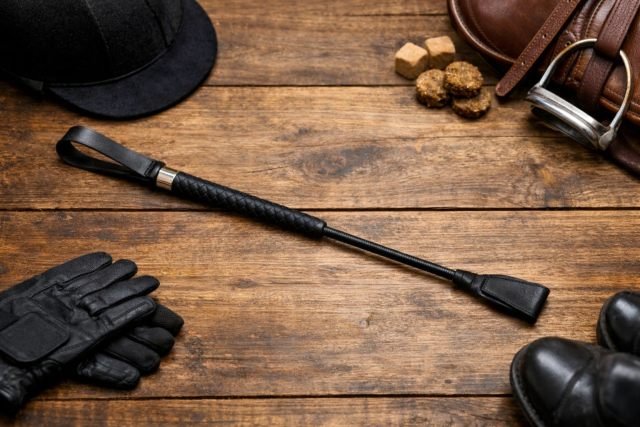
A riding crop can be a useful training tool for beginner riders, but only when it is selected carefully and used responsibly. The best riding crop for beginners is not the strongest or most rigid option. Instead, it should be light, balanced, easy to control, and gentle enough to reinforce leg aids rather than replace them.
- What Is a Riding Crop?
- Riding Crop vs Whip: What Beginners Need to Know
- Best Riding Crop for Beginners: The Quick Answer
- How to Choose the Best Riding Crop for Beginners
- Best Riding Crop Length for Beginners
- What Type of Riding Crop Is Best for Beginners?
- Safe and Ethical Riding Crop Use for Beginners
- How to Hold a Riding Crop Correctly
- When Should a Beginner Use a Riding Crop?
- Buying Tips: How to Choose the Best Riding Crop for Beginners
- Common Beginner Mistakes With Riding Crops
- Real-World Beginner Scenario: When a Riding Crop Helps
- Real-World Beginner Scenario: When a Riding Crop Should Not Be Used
- FAQ: Best Riding Crop for Beginners
- Conclusion: The Best Riding Crop for Beginners Builds Communication and Confidence
This topic is also closely linked to horse welfare, and the equestrian world increasingly emphasizes safe and ethical use. Organizations such as the FEI have reinforced welfare standards and disciplinary actions related to whip misuse, reflecting how seriously this subject is treated at professional levels.
What Is a Riding Crop?
A riding crop is a short riding aid used to reinforce communication between rider and horse. It is most often used when a horse ignores a light leg cue, and it should be applied as a brief, controlled signal rather than repeated pressure. A riding crop is not intended to punish a horse, and it should never be used out of frustration.
Many riding education resources emphasize that good training relies on timing, clarity, and minimal use of artificial aids. A crop should support consistent leg cues and improve responsiveness, not become the primary “go” button.
Riding Crop vs Whip: What Beginners Need to Know
Although riders often use the terms interchangeably, a riding crop is usually shorter than a riding whip. Crops are commonly used for flatwork, schooling, and jumping, while longer whips are often used in dressage to refine aids and reach further behind the leg.
Beginners generally do better with a shorter riding crop because it is easier to control, safer around the horse’s body, and less likely to disrupt posture and balance.
Best Riding Crop for Beginners: The Quick Answer
For most beginners, the best riding crop is between 18 and 24 inches, lightweight, and fitted with a soft popper and a non-slip grip. This range offers enough reach to reinforce leg aids without forcing the rider to twist or lean back.
A shorter crop also reduces the chance of accidental contact, which is one of the most common problems for riders still building balance and hand control.
How to Choose the Best Riding Crop for Beginners
When choosing a beginner riding crop, the most important factors are length, softness, grip, and overall balance. Beginners should prioritize control and comfort over reach and stiffness.
Beginner-friendly length is the most important feature
Most new riders should start with an 18 to 24 inch crop, because it offers a safe balance between reach and manageability. Crops longer than 24 inches can still work, especially for tall riders or wide horses, but they are more difficult to handle cleanly without disturbing position.
Several riding guides recommend shorter crops for riders who are still learning correct body control, especially when working in enclosed arenas or around other horses.
A soft popper is safer and more forgiving
The popper is the flap at the end of the crop, and it determines how “sharp” or “soft” the contact feels. Beginners should choose a crop with a softer, slightly wider popper, because it gives a clear cue without sting. Thin, stiff poppers are more likely to cause discomfort and are also easier to misuse.
A secure grip prevents accidents and improves confidence
A slippery handle is a common issue for beginners. It can cause drops, awkward repositioning, or grip tension that affects rein contact. A non-slip grip that stays stable when wearing gloves is usually the best option.
The crop should be light and balanced
A heavy crop can fatigue the wrist, lead to jerky movements, and increase the chance of accidental taps. Beginner crops should feel light and well-balanced. When held naturally, it should not pull downward or require extra effort to keep steady.
Wrist loops can help, but should be used cautiously
A wrist loop can prevent drops, but it can also become a safety risk if it catches on tack or fingers. Some instructors prefer no loop, especially for jumping, because it can interfere with quick rein changes. If a loop is used, it should remain loose and never wrapped tightly.
Best Riding Crop Length for Beginners
| Rider Type / Situation | Recommended Length | Why It’s Best for Beginners |
|---|---|---|
| First-time riders | 18–20 inches | Maximum control and minimal interference |
| Average-height adult beginner | 20–24 inches | Most versatile and easy to handle |
| Tall rider or wide horse | 24–30 inches | Helps reach without leaning, but requires control |
| Jumping lessons | 18–24 inches | Safer during movement and less likely to snag |
| Dressage schooling (beginner) | 24–30 inches or short whip with coaching | More reach, but needs instruction and rule compliance |
What Type of Riding Crop Is Best for Beginners?
A standard schooling crop is usually the best starting point because it is light and simple to use. Jumping crops can also be beginner-friendly, especially if the rider is focused on jumping lessons, because they are compact and easy to carry without swinging.
Beginners should avoid extremely stiff leather crops or extra-long whips until they have the posture and timing control to use them correctly. Longer whips require better coordination and are easier to misuse accidentally.
Safe and Ethical Riding Crop Use for Beginners
Even the best riding crop can cause problems if used incorrectly. Beginners should view the crop as a communication tool that supports leg aids and improves clarity, rather than something that replaces good riding fundamentals.
A common ethical training framework is to ask with the leg first, then reinforce only if the horse ignores the aid. One light tap behind the leg is usually enough. If the horse responds, the rider should immediately soften and reward. If the horse does not respond repeatedly, the issue may not be motivation at all. It could be confusion, discomfort, pain, tack fit, or insufficient training.
The modern equestrian world increasingly highlights welfare. The FEI, for example, has taken disciplinary action in cases of abusive whip use and has reinforced welfare standards publicly, which emphasizes the importance of careful, controlled use.
How to Hold a Riding Crop Correctly
A riding crop should be held in a relaxed, controlled grip. Many trainers recommend holding it in the inside hand, angled slightly downward, with the thumb resting on top. The wrist should stay loose, and the rider should avoid reaching back by twisting the body. A proper tap should come from a small wrist movement rather than upper-body movement.
One common beginner mistake is leaning back or rotating the shoulders when trying to use the crop. This not only disrupts balance, but it can also confuse the horse and interfere with rein aids.
When Should a Beginner Use a Riding Crop?
A beginner should use a riding crop when working under guidance and when the horse is safe, calm, and simply unresponsive to light leg cues. It can be helpful when a beginner is learning timing and needs a consistent way to reinforce forward movement.
A beginner should not use a crop if the horse is anxious, reactive, or showing signs of pain, or if the rider feels frustrated. In these situations, the crop may escalate fear or worsen resistance, and the correct solution is often training, medical evaluation, or tack adjustment—not stronger aids.
Buying Tips: How to Choose the Best Riding Crop for Beginners
Beginners should focus on ease of handling rather than long reach. A crop that is too long often causes awkward body movement, which makes riding less stable and makes the crop harder to use ethically.
It’s also important to test the grip with riding gloves because a handle that feels fine barehanded can become slippery once gloves are added. For any rider who competes, the crop style and length should also comply with the latest discipline-specific rules. In the United States, for example, rulebooks and updates from US Equestrian can affect what equipment is allowed in certain competitions.
Common Beginner Mistakes With Riding Crops
One of the most frequent mistakes beginners make is using a crop too quickly, before confirming that the horse understood the leg aid. Another is overusing it when a horse doesn’t respond, which is usually a sign that something else is wrong, such as confusion or discomfort.
Beginners also often buy crops that are too long, thinking longer means better. In reality, a shorter crop builds better control and reduces accidental contact. Another mistake is using the crop emotionally, which is both unsafe and inconsistent with modern welfare expectations.
Real-World Beginner Scenario: When a Riding Crop Helps
A common situation is a lesson horse that walks sluggishly unless the rider constantly kicks. In this case, a trainer may teach a clear system. The rider applies a light leg aid first. If the horse ignores it, the rider reinforces with a stronger leg cue. If the horse still ignores the aid, the rider gives a single light tap behind the leg and immediately relaxes when the horse moves forward.
This creates clarity rather than conflict. The horse learns that ignoring light aids leads to a consistent consequence, and the beginner learns timing and softening.
Real-World Beginner Scenario: When a Riding Crop Should Not Be Used
If a horse reacts strongly, such as bucking during transitions or resisting canter, a beginner should not assume the horse is being stubborn. Pain, saddle fit issues, fear, or misunderstanding can all cause resistance. Using a crop in this scenario can intensify the reaction and create dangerous behavior.
The safer approach is to stop, seek instruction, and rule out discomfort or tack problems.
FAQ: Best Riding Crop for Beginners
What is the best riding crop for beginners?
The best riding crop for beginners is usually 18 to 24 inches long, lightweight, and fitted with a soft popper and non-slip grip. It should be easy to control and used only as reinforcement for leg aids, not as punishment.
What length riding crop should a beginner use?
Most beginners should start with an 18 to 24 inch riding crop because shorter crops are easier to control and reduce accidental contact.
Is a riding crop painful for horses?
A riding crop is not meant to be painful when used correctly. It is intended as a brief, controlled cue. However, misuse can harm welfare, which is why federations treat abusive use seriously.
Should beginners use a riding crop?
Beginners can use a riding crop if their instructor approves and teaches correct timing. It should support good riding basics and never be used in frustration.
What is the safest riding crop material for beginners?
A lightweight crop with a fiberglass core and a comfortable rubberized or textured grip is often safest for beginners because it is durable, easy to hold, and simple to control.
Conclusion: The Best Riding Crop for Beginners Builds Communication and Confidence
A riding crop can be an effective and beginner-safe training aid when chosen thoughtfully and used ethically. The best riding crop for beginners is typically 18 to 24 inches long, lightweight, easy to grip, and fitted with a soft popper that supports gentle communication.
More than the crop itself, correct use matters most. A beginner should always rely on leg aids first, use the crop only as reinforcement, reward the horse immediately when it responds, and avoid emotional or repeated use. This approach supports trust, consistency, and welfare, aligning with modern equestrian expectations across the sport.