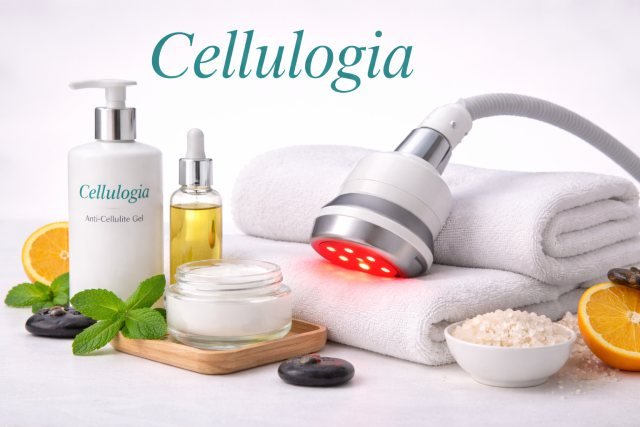
If you’ve been searching for a cellulite solution that doesn’t involve needles, surgery, or major downtime, Cellulogia is likely on your radar. Cellulite is extremely common — often reported in 80–90% of postpubertal women — and it has more to do with skin structure and connective tissue than “not working out enough.”
- What is Cellulogia?
- Cellulite basics (why dimples happen)
- How Cellulogia works (mechanisms explained simply)
- Cellulogia benefits (who tends to like it)
- What to expect during a Cellulogia session
- Does Cellulogia hurt?
- Cellulogia results timeline (realistic expectations)
- How many Cellulogia sessions do you need?
- Who is a good candidate for Cellulogia?
- Side effects and safety considerations
- Cellulogia vs other cellulite treatments
- How to maximize your Cellulogia results (actionable tips)
- Cost: what Cellulogia typically depends on
- Common myths about Cellulogia and cellulite
- FAQs
- Conclusion: Is Cellulogia worth it?
You’ll learn what Cellulogia is, how it’s believed to work, what a typical session feels like, how many treatments people usually need, and how to set realistic expectations so you’re not disappointed by marketing hype.
What is Cellulogia?
Cellulogia is commonly used online to describe a non-invasive cellulite-reduction approach that focuses on improving the appearance of cellulite by working on the skin and the tissues just beneath it — often through device-based mechanical massage (frequently discussed as vacuum-and-roller “dermomassage” styles similar to endermologie-type systems).
In plain terms, Cellulogia-style sessions aim to:
- mobilize tight connective tissue
- improve local circulation
- support lymphatic flow (temporary fluid movement)
- encourage smoother-looking skin texture over time
It’s important to say this clearly: cellulite is a multifactorial condition (connective tissue bands, fat lobules, skin laxity, and more), so no single technique is a guaranteed “erase button.”
Cellulite basics (why dimples happen)
To understand what Cellulogia can and can’t do, it helps to understand cellulite itself.
Cellulite is often described as a topographic change in the skin caused by interactions between subcutaneous fat, fibrous septae (connective tissue bands), and the dermis.
Many reviews describe cellulite as highly prevalent in women and influenced by:
- connective tissue architecture (women and men differ anatomically)
- fat distribution and fat “herniation” effects
- skin thickness/elasticity and laxity
- edema/fluid shifts and microcirculation changes
That’s why you can be lean, strong, and still have cellulite: it’s not simply a “fat problem.”
How Cellulogia works (mechanisms explained simply)
1) Mechanical stimulation of skin + subcutaneous tissue
Most Cellulogia descriptions center around controlled mechanical manipulation — often suction plus rolling — intended to “lift and mobilize” tissue layers. Related systems (like LPG endermologie) are described in medical literature as vacuum-assisted mechanical massage.
What this may do: temporarily change tissue tension, reduce stiffness, and improve how light reflects off the skin surface — so dimpling looks less obvious.
2) Circulation and fluid movement
Mechanical massage can increase local blood flow and support lymphatic drainage effects (think: temporary reduction in puffiness). These changes can improve the “tightness” look for some people, especially when swelling or fluid retention makes cellulite more noticeable.
3) Collagen support (possible, not guaranteed)
Some claims suggest that repeated stimulation may encourage skin firmness over time. The idea is tied to mechanotransduction (cells responding to mechanical forces). Reviews discussing endermologie-style methods often include this as a proposed pathway, though outcomes vary and evidence quality differs by device and protocol.
Bottom line: Cellulogia may help the appearance of cellulite, but it typically doesn’t “remove” cellulite permanently — especially if the main driver is deep fibrous septae and skin laxity.
Cellulogia benefits (who tends to like it)
People usually choose Cellulogia because it’s:
- non-surgical and typically low downtime
- focused on texture + tone, not just circumference
- often experienced as relaxing (though intensity varies)
- easy to combine with exercise, hydration, and skin-firming routines
Clinically, cellulite treatment options range widely (topicals, energy devices, injectables, subcision), and systematic reviews emphasize that results depend heavily on matching the method to the underlying cause (laxity vs septae vs fat).
What to expect during a Cellulogia session
A typical appointment often looks like this:
Consult and assessment:
You’ll discuss target areas (thighs, buttocks, hips, abdomen, arms), current routine, and goals. Good providers assess whether you’re dealing more with skin laxity, deeper dimpling, or fluid-related swelling — because that affects outcomes.
Treatment:
A device may glide over the skin with rolling/suction action. Sensation varies:
- mild tugging and pressure at low intensity
- deeper “kneading” feeling at higher intensity
- tender spots where tissue is tight or sensitive
Session length:
Often 30–60 minutes depending on areas treated (this varies by clinic and protocol).
After:
Most people leave with temporary redness and warmth; some experience mild soreness (like a deep tissue massage).
Does Cellulogia hurt?
For many, it’s “intense but tolerable.” If you bruise easily, are on blood thinners, or have very sensitive skin, you may need lower intensity. Ask your provider about intensity adjustments and whether bruising is expected for their protocol.
Cellulogia results timeline (realistic expectations)
This is the part most people want to know.
When will I see results?
Some people notice a short-term smoothing effect after the first few sessions — often related to fluid shift and circulation changes.
More visible changes (if they happen) are usually reported after a series of sessions — commonly several weeks — because appearance-based improvements tend to be gradual.
How long do results last?
Cellulite management is often maintenance-based. Many methods (including topical or device approaches) require upkeep because the underlying anatomy doesn’t “disappear.” Reviews of cellulite therapies emphasize variability and the need for ongoing management depending on modality.
A helpful mindset: think “improvement and control,” not “permanent erasure.”
How many Cellulogia sessions do you need?
There’s no single number, but many protocols resemble multi-session plans used in vacuum-assisted mechanical massage approaches (often 2x/week for weeks in some study-style protocols for similar methods).
A practical expectation many clinics use:
- an initial series (several sessions over 4–8 weeks)
- followed by maintenance sessions (monthly or seasonal)
Your best predictor is your cellulite “type” (laxity-driven vs septae-driven) and your baseline skin firmness.
Who is a good candidate for Cellulogia?
Cellulogia-style treatments are often a fit if you:
- have mild to moderate cellulite and want texture smoothing
- want non-invasive treatment with minimal downtime
- are consistent with appointments and aftercare
- understand results may be subtle to moderate (not airbrushed-skin perfect)
People who often need a different or combined approach include those with:
- significant skin laxity (post-weight loss, postpartum, aging skin)
- deep, tethered dimples driven strongly by fibrous septae
- expectations of “permanent removal” rather than improvement
Side effects and safety considerations
Typical short-term effects:
- redness, warmth
- mild soreness
- occasional bruising (depends on intensity and your skin)
Situations to discuss with a clinician before treatment:
- pregnancy (many clinics postpone elective aesthetic treatments)
- varicose veins or fragile capillaries
- active skin infection, rash, or open wounds
- bleeding disorders or blood-thinning medication
Cellulogia vs other cellulite treatments
Because cellulite has multiple causes, comparison matters.
Cellulogia vs topical creams
Topicals can temporarily improve hydration and surface texture, but evidence varies and improvements are often modest. Systematic reviews generally find results depend on active ingredients and consistent use.
Cellulogia vs energy-based devices (RF, laser)
Energy-based treatments often target skin tightening and deeper remodeling. Some people see stronger results, but costs and downtime vary by device and protocol.
Cellulogia vs subcision/injectables
Procedures that release fibrous septae can be more direct for deep dimples but are invasive and require medical oversight. Reviews emphasize matching the method to the anatomical cause.
Practical takeaway: Cellulogia can be a good “foundation” approach for circulation/texture, and some people combine it with targeted medical treatments for deeper dimpling (under clinician guidance).
How to maximize your Cellulogia results (actionable tips)
You don’t need perfection — just consistency.
- Hydrate and keep sodium swings reasonable
Fluid retention can make dimpling more noticeable for some people. - Strength training 2–4x/week
Building muscle can improve how the area “fills out” under the skin, which may reduce visible unevenness. - Prioritize protein + micronutrients
Skin quality is influenced by overall nutrition. You’re supporting the “canvas,” not just treating the dimples. - Plan sessions around your cycle (if applicable)
Some people swell more at certain times of the month; scheduling or expectations can be adjusted. - Take progress photos the right way
Same lighting, same angle, same distance. Cellulite appearance can change dramatically with lighting alone.
Cost: what Cellulogia typically depends on
Pricing varies widely by country, city, clinic reputation, device type, and how many areas you treat. Most clinics bundle sessions into packages.
When comparing quotes, ask:
- How many sessions are included?
- How long is each session?
- Is maintenance recommended?
- What device or technique is used (manual vs device-based)?
- Do they combine it with other therapies?
Common myths about Cellulogia and cellulite
Myth: Only overweight people have cellulite.
Cellulite is extremely common and is influenced by anatomy and connective tissue — not just body fat.
Myth: You can “flush out toxins” and permanently remove cellulite.
Massage and lymphatic movement can change fluid dynamics, but cellulite’s structure is more complex than “toxins.”
Myth: One session will fix it.
Most approaches that help require multiple sessions and maintenance.
FAQs
What is Cellulogia in simple terms?
Cellulogia is a non-invasive approach that typically uses mechanical massage (often vacuum-and-roller style) to improve the appearance of cellulite by stimulating skin and underlying tissues.
How quickly does Cellulogia work?
Some people notice short-term smoothing after a few sessions, but more visible improvement usually requires a series of treatments over several weeks, with maintenance to sustain results.
Is Cellulogia permanent?
Usually, no. Cellulite is influenced by connective tissue architecture and skin factors, so many treatments focus on improvement and ongoing management rather than permanent removal.
Can I do Cellulogia at home?
Some at-home massage tools exist, but professional devices and protocols tend to be more consistent. If you try at-home options, focus on consistency and avoid aggressive suction that causes bruising.
Who shouldn’t do Cellulogia?
People with certain vascular issues, active skin infections, or bleeding-related conditions should consult a clinician first. When in doubt, get medical clearance.
Conclusion: Is Cellulogia worth it?
Cellulogia can be a worthwhile option if you want a non-invasive, low-downtime method to improve the look of cellulite and skin texture — especially when your cellulite is influenced by fluid retention, mild tissue tightness, or surface-level unevenness. Cellulite itself is extremely common and structurally complex, so the most satisfying results usually come from realistic expectations, a multi-session plan, and supportive habits like strength training and consistent skincare.