Economy 7 storage heaters remain a popular heating solution for modern homes that rely on off-peak electricity tariffs. In the first stage of choosing an electric heating system, many homeowners encounter economy 7 storage heaters because they are designed to reduce energy costs while providing consistent warmth throughout the day.
- What Are Economy 7 Storage Heaters?
- How Economy 7 Storage Heaters Work
- Why Economy 7 Storage Heaters Are Still Relevant Today
- Types of Economy 7 Storage Heaters
- Economy 7 Storage Heaters vs Other Electric Heating Options
- Costs and Running Expenses of Economy 7 Storage Heaters
- Energy Efficiency and Environmental Impact
- Choosing the Right Economy 7 Storage Heaters for Your Home
- Installation Considerations for Economy 7 Storage Heaters
- Maintenance and Lifespan of Storage Heaters
- Common Questions About Economy 7 Storage Heaters
- Economy 7 Storage Heaters in Real-Life Scenarios
- Conclusion: Are Economy 7 Storage Heaters Right for You?
With rising energy prices and increased focus on efficiency, understanding how economy 7 storage heaters work is more important than ever. These heaters are especially relevant for flats, apartments, and homes without access to gas, where electric heating is the primary option.
This in-depth buying guide explains everything you need to know about economy 7 storage heaters, including how they work, costs, efficiency, modern features, and how to choose the best option for your home.
What Are Economy 7 Storage Heaters?
Economy 7 storage heaters are electric heaters designed to store heat during off-peak hours, typically at night, when electricity is cheaper under an Economy 7 tariff. The stored heat is then gradually released throughout the day to keep rooms warm.
The name “Economy 7” refers to the seven hours of reduced-rate electricity offered by energy suppliers, usually overnight. According to Ofgem, Economy 7 tariffs can be significantly cheaper during off-peak hours, making them suitable for energy storage systems like storage heaters.
Unlike direct electric heaters, economy 7 storage heaters focus on shifting energy use to cheaper periods rather than consuming electricity during peak times.
How Economy 7 Storage Heaters Work
Economy 7 storage heaters contain high-density ceramic or clay bricks that absorb heat when electricity prices are low. During the night, the heater charges itself automatically using off-peak electricity.
Throughout the day, the stored heat is released either naturally or through controlled airflow. Modern economy 7 storage heaters allow users to manage how quickly this heat is released, improving comfort and reducing waste.
This system makes economy 7 storage heaters particularly effective in homes where occupants are present during the day and can benefit from stored warmth.
Why Economy 7 Storage Heaters Are Still Relevant Today
Despite advances in heating technology, economy 7 storage heaters continue to be relevant for many households. They are especially useful in properties without gas connections or where installing central heating is impractical.
With improved insulation standards and smarter controls, modern economy 7 storage heaters are far more efficient than older models. Research from the Energy Saving Trust highlights that upgrading outdated storage heaters can significantly improve heat retention and reduce energy waste.
For households on the right tariff, economy 7 storage heaters remain a cost-effective and reliable solution.
Types of Economy 7 Storage Heaters
Traditional Storage Heaters
Older economy 7 storage heaters rely on manual input and output controls. These models store heat overnight but often release it unpredictably, leading to heat loss in the early evening.
While still functional, traditional heaters are less efficient and harder to control compared to modern alternatives.
Modern High-Heat-Retention Storage Heaters
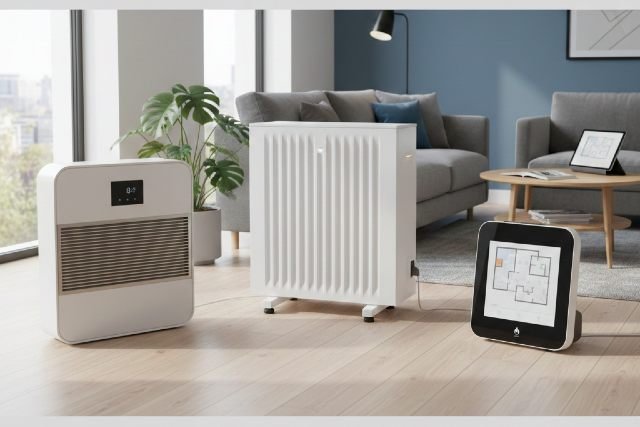
Modern economy 7 storage heaters use advanced insulation to retain heat for longer periods. They release warmth more evenly, ensuring comfort well into the evening.
These models often include digital thermostats and automatic charging, improving efficiency and ease of use. According to manufacturers’ efficiency testing, high-heat-retention heaters can reduce heat loss by up to 50 percent compared to older units.
Economy 7 Storage Heaters vs Other Electric Heating Options
Economy 7 storage heaters differ from panel heaters and oil-filled radiators because they focus on energy timing rather than instant heat. Panel heaters draw electricity at the moment they are used, often at peak rates.
In contrast, economy 7 storage heaters take advantage of cheaper overnight electricity. This makes them more economical for long-term heating, particularly in colder climates.
For modern homes aiming to reduce energy bills without gas, storage heaters offer a balanced approach between cost and comfort.
Costs and Running Expenses of Economy 7 Storage Heaters
The upfront cost of economy 7 storage heaters varies depending on size, brand, and features. Modern high-retention models are more expensive initially but offer better long-term savings.
Running costs depend heavily on insulation quality and user behavior. Homes with good insulation and correct charging settings benefit the most from economy 7 tariffs.
Ofgem data suggests that households using off-peak electricity efficiently can achieve noticeable reductions in annual heating costs compared to standard electric tariffs.
Energy Efficiency and Environmental Impact
Economy 7 storage heaters are considered 100 percent efficient at the point of use, as all electricity consumed is converted into heat. However, overall efficiency depends on how and when the energy is used.
When paired with renewable electricity sources, such as wind or solar-supported grids, economy 7 storage heaters can contribute to lower carbon emissions. The UK government has highlighted energy storage systems as a key component of future low-carbon heating strategies.
Modern storage heaters also reduce peak demand on the grid by shifting consumption to off-peak hours.
Choosing the Right Economy 7 Storage Heaters for Your Home
Selecting the right economy 7 storage heaters starts with assessing room size and insulation levels. Larger rooms require heaters with higher heat storage capacity.
Control features are also important. Digital thermostats, adaptive charging, and programmable timers improve comfort and prevent wasted energy.
Professional assessment can help determine the correct heater size and placement, ensuring optimal performance throughout the home.
Installation Considerations for Economy 7 Storage Heaters
Installing economy 7 storage heaters usually requires a compatible electricity meter and appropriate wiring. Homes must be on an Economy 7 tariff to benefit fully from off-peak charging.
Professional installation ensures compliance with electrical safety standards and correct integration with the home’s energy system. Improper installation can lead to inefficient charging and higher costs.
Many homeowners choose to upgrade their meter and heaters simultaneously to maximize efficiency gains.
Maintenance and Lifespan of Storage Heaters
Economy 7 storage heaters require minimal maintenance compared to gas systems. Regular checks of controls and vents help maintain performance.
Modern heaters typically last 15 to 20 years when used correctly. Keeping airflow clear and avoiding obstruction ensures consistent heat release.
According to electrical heating specialists, newer models also experience fewer breakdowns due to simpler internal mechanisms.
Common Questions About Economy 7 Storage Heaters
Are Economy 7 Storage Heaters Cheaper to Run?
They can be cheaper to run if you are on the correct tariff and use the heater as intended. Savings depend on insulation, usage patterns, and off-peak electricity rates.
Do Storage Heaters Work in Modern Homes?
Yes, economy 7 storage heaters work well in modern homes, especially those with good insulation and energy-efficient windows.
Can Economy 7 Storage Heaters Be Used Without Economy 7?
They can operate without Economy 7, but running costs may be higher. The system is designed to benefit from off-peak electricity pricing.
Economy 7 Storage Heaters in Real-Life Scenarios
A city apartment without gas heating replaced panel heaters with modern economy 7 storage heaters. After switching tariffs and upgrading insulation, annual heating costs dropped by approximately 20 percent.
In another case, a rural home used storage heaters to balance renewable electricity supply during off-peak hours. This improved comfort while reducing reliance on peak-time grid demand.
These scenarios show how correct setup and usage make a significant difference in outcomes.
Conclusion: Are Economy 7 Storage Heaters Right for You?
Economy 7 storage heaters remain a practical and efficient heating solution for modern homes that rely on electricity. By using off-peak power, they help reduce energy costs while delivering consistent warmth throughout the day.
When chosen carefully and used correctly, economy 7 storage heaters offer long-term value, low maintenance, and compatibility with future energy systems. For homeowners seeking a reliable electric heating option without gas, they continue to be a smart and proven choice.