Plasterboard fixings are an essential part of modern DIY and home improvement projects. Because plasterboard walls are hollow and relatively fragile compared to brick or concrete, they require specially designed fixings to safely support weight. Using the wrong fixing can result in loose fittings, damaged walls, or even serious safety risks.
- What Are Plasterboard Fixings?
- Why Plasterboard Requires Special Fixings
- Types of Plasterboard Fixings Explained Simply
- Understanding Load Ratings for Plasterboard Fixings
- Tools Needed for Installing Plasterboard Fixings
- Step-by-Step Guide to Installing Plasterboard Fixings
- Common Beginner Mistakes and How to Avoid Them
- Plasterboard Fixings Safety Tips
- Choosing the Best Plasterboard Fixings for Common Jobs
- Frequently Asked Questions About Plasterboard Fixings
- Expert Tips for Long-Term Performance
- Conclusion: Getting Started with Plasterboard Fixings Safely
This beginner-friendly guide explains everything you need to know about plasterboard fixings, including how they work, which type to choose, how to install them correctly, and how to avoid common mistakes. By the end of this article, you will have the confidence to fix items securely to plasterboard walls while maintaining safety and durability.
What Are Plasterboard Fixings?
Plasterboard fixings are fasteners designed to anchor into hollow walls by spreading or locking behind the plasterboard surface. Unlike standard screws, which rely on solid material for grip, plasterboard fixings distribute weight across a larger surface area inside the wall cavity.
This load-spreading mechanism prevents the fixing from pulling out and reduces stress on the plasterboard itself. As a result, plasterboard fixings are essential for hanging anything heavier than a very light picture frame.
Why Plasterboard Requires Special Fixings
Plasterboard is made from gypsum compressed between paper layers. While it is strong enough for internal walls, it does not provide sufficient resistance for traditional screws. When weight is applied, the screw can loosen, tear the plasterboard, or fall out completely.
Plasterboard fixings solve this problem by expanding, gripping, or locking behind the wall. This creates a secure anchor point that can safely hold shelves, mirrors, televisions, and other wall-mounted items.
Types of Plasterboard Fixings Explained Simply
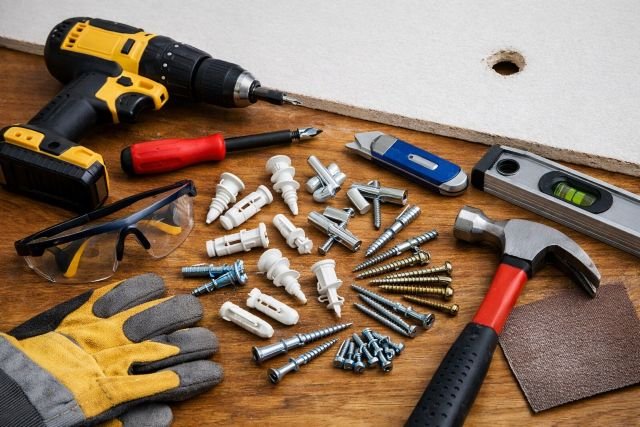
Understanding the different types of plasterboard fixings helps beginners choose the right option for their project. Plastic wall plugs are generally used for very light loads, such as small picture frames or cable management accessories. They offer minimal support and should not be used for anything heavy.
Self-drilling plasterboard fixings are a popular choice for beginners because they are easy to install and do not require pre-drilling in most cases. They screw directly into the plasterboard and provide moderate load-bearing capacity for items like curtain rails and small shelves.
Metal cavity fixings, often referred to as hollow wall anchors or Molly bolts, are designed for heavier loads. When tightened, they expand behind the plasterboard, creating a strong and stable fixing point. These are commonly used for radiators, wall cabinets, and large mirrors.
Spring toggles and toggle bolts provide some of the highest load capacities. They work by opening behind the plasterboard and spreading the weight across a wide area. These fixings are ideal for very heavy items but require larger holes and more careful installation.
Understanding Load Ratings for Plasterboard Fixings
Load ratings indicate how much weight a plasterboard fixing can safely support. These ratings are determined through laboratory testing and vary depending on wall thickness, fixing design, and installation method. Ignoring load ratings is one of the most common mistakes beginners make.
As a general guide, light-duty fixings may hold only a few kilograms, while heavy-duty metal cavity fixings and toggle bolts can support several tens of kilograms. For safety, it is always recommended to choose a fixing rated for at least double the expected load. This provides a margin that accounts for movement, vibration, and long-term wear.
Manufacturers such as Fischer and Rawlplug publish certified load data based on European Technical Assessments, making them a reliable reference when choosing plasterboard fixings.
Tools Needed for Installing Plasterboard Fixings
Installing plasterboard fixings correctly requires basic DIY tools. A drill with adjustable speed is essential for creating clean holes without damaging the wall. A screwdriver or drill driver helps secure screws accurately. Measuring tools and a spirit level ensure proper alignment, while a pencil allows precise marking.
For added safety, a stud detector can help identify hidden pipes, electrical cables, or wooden studs behind the plasterboard. Fixing directly into a stud is always preferable when possible, as it provides superior strength.
Step-by-Step Guide to Installing Plasterboard Fixings
The first step is confirming that the wall is plasterboard and not solid masonry. This can usually be identified by tapping the wall and listening for a hollow sound. Once confirmed, measure and mark the fixing points carefully, ensuring everything is level and evenly spaced.
Drilling the correct hole size is critical. Each plasterboard fixing specifies a required drill bit diameter. Drilling a hole that is too large will weaken the fixing and reduce its load capacity. After drilling, insert the plasterboard fixing so that it sits flush with the wall surface.
When tightening the screw, apply steady pressure and stop as soon as resistance increases. Over-tightening can damage the plasterboard or collapse the fixing behind the wall, reducing its holding strength.
Common Beginner Mistakes and How to Avoid Them
One of the most frequent mistakes is underestimating the total weight an item will place on the fixing. Shelves, for example, may start light but become much heavier once loaded with books or decorative items. Another common error is using the wrong type of plasterboard fixing for the job, particularly relying on light-duty fixings for heavy objects.
Beginners also often skip manufacturer instructions, assuming all fixings work the same way. In reality, each design behaves differently once inside the wall. Reading and following the instructions ensures maximum performance and safety.
Plasterboard Fixings Safety Tips
Safety is a crucial aspect of working with plasterboard walls. Drilling without checking for hidden cables or pipes can lead to serious hazards. Wearing eye protection prevents injury from dust and debris, while using certified fixings reduces the risk of failure.
According to the UK Health and Safety Executive, falling objects are a common cause of domestic injuries. Properly installed plasterboard fixings significantly reduce this risk by ensuring wall-mounted items remain secure over time.
Choosing the Best Plasterboard Fixings for Common Jobs
For hanging shelves, the best plasterboard fixings depend on shelf size and expected load. Light shelves may only require self-drilling fixings, while heavy shelving systems need metal cavity fixings. Wall-mounted televisions always require heavy-duty plasterboard fixings, installed in multiples and in line with the TV bracket manufacturer’s recommendations.
Bathroom accessories require fixings that resist corrosion, especially in humid environments. Choosing rust-resistant plasterboard fixings ensures long-term reliability and safety.
Frequently Asked Questions About Plasterboard Fixings
The strongest plasterboard fixings are typically metal cavity fixings and toggle bolts, as they spread load over a large area behind the wall. Most plasterboard fixings are designed for single use and should not be reused once removed. Reusing them reduces their holding capacity and compromises safety.
The amount of weight plasterboard fixings can hold varies widely depending on type and installation. Light-duty fixings may only support a few kilograms, while heavy-duty options can safely hold 50 kilograms or more when installed correctly.
Expert Tips for Long-Term Performance
For the best long-term results, weight should be spread across multiple plasterboard fixings whenever possible. Fixings should be positioned away from plasterboard edges, where the material is weaker. Checking and gently re-tightening screws after a few weeks can help maintain stability as the wall settles.
Professional installers consistently recommend using branded, tested plasterboard fixings with certified load ratings. These products offer predictable performance and peace of mind.
Conclusion: Getting Started with Plasterboard Fixings Safely
Plasterboard fixings are a fundamental skill for any beginner looking to improve their home safely and professionally. By understanding how plasterboard fixings work, choosing the correct type, and following proper installation techniques, you can confidently mount a wide range of items without damaging your walls.
With careful planning, attention to load ratings, and the right tools, plasterboard fixings provide a strong and reliable solution for modern interiors. When used correctly, they ensure safety, durability, and a clean, professional finish for years to come.