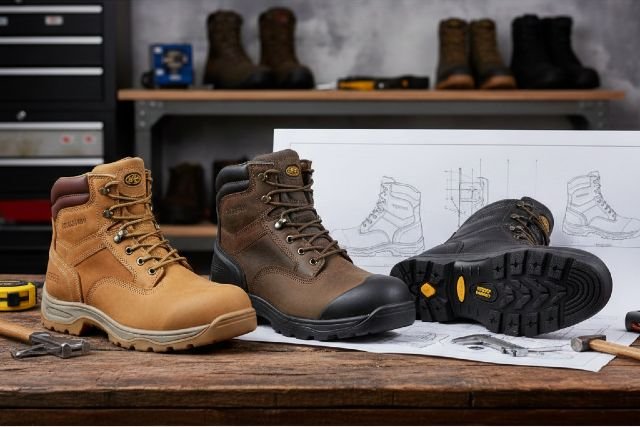
Buying work boots is not a simple purchase. It is a decision that affects your comfort, safety, and ability to work efficiently every day. A good pair can prevent pain, reduce fatigue, and protect you from common jobsite injuries. A poor pair can do the opposite, forcing you to work through blisters, back strain, and slipping hazards.
- How to Choose Work Boots for Your Job
- Work Boots Fit Guide (Most People Get This Wrong)
- Safety Standards Explained: ASTM, OSHA, and Ratings
- Durability: What Makes Work Boots Last Longer
- Materials: Leather, Synthetic, and Waterproofing
- Outsoles: Slip Resistance, Heat, Oil, and Puncture Protection
- Comfort Features That Prevent Foot Pain
- Work Boots Maintenance Tips
- Quick Comparison Table: Choose the Right Work Boots
- FAQ: Work Boots Buying Questions Answered
- Conclusion: Buying the Best Work Boots
Workplace foot injuries are also more common than most workers expect. National Safety Council data reported by Safety+Health Magazine notes that more than 93,000 foot injuries resulted in lost workdays from 2021 to 2022. That number alone explains why selecting work boots based on the job environment is much smarter than buying based on brand or looks.
This detailed guide explains how to choose work boots based on fit, safety standards, materials, outsole performance, and durability. You will also learn practical maintenance tips and get direct answers to common questions so you can buy with confidence.
How to Choose Work Boots for Your Job
The best way to start shopping is to think about what you actually face at work. A warehouse worker typically needs something lightweight and slip-resistant. A construction worker often needs impact protection, puncture resistance, and strong outsole traction. An electrician may need footwear designed to lower the risk of electrical hazards.
Choosing work boots without matching the hazards is one of the biggest mistakes buyers make. It leads to faster wear, discomfort, and sometimes unsafe performance.
A simple way to choose correctly is to identify your jobsite conditions. If you work on concrete all day, you need support and shock absorption. If you work outdoors, you need waterproofing and stronger traction. If you work around heavy equipment, you need certified safety toes and additional protection.
Work Boots Fit Guide (Most People Get This Wrong)
Fit is the most important factor when choosing work boots. Even boots with perfect safety ratings fail if they cause pain or instability. Work boots should feel secure, supportive, and stable from the first wear, even if they soften over time.
A correctly fitting boot should leave about a thumb’s width of space in front of the longest toe. Your heel should stay locked in place without excessive slipping. The arch support should feel natural and stable instead of forced or overly high.
You should always try on boots in the late afternoon because feet swell naturally throughout the day. You should also wear the same socks you plan to use during your shift. Many buyers test boots with thin socks and later regret it when thick work socks change the fit completely.
A common mistake is buying boots that are tight and hoping they will “break in.” That approach often leads to blisters and numbness because boots rarely stretch in the areas people need most. Width is another overlooked issue. Many workers need wide sizing, especially in safety toe boots, because toe caps reduce flexibility.
Safety Standards Explained: ASTM, OSHA, and Ratings
Safety standards can look confusing, but understanding them is essential for buying the right work boots. OSHA requires protective footwear when hazards exist, including risks from falling objects, rolling objects, objects that can pierce the sole, and electrical hazards. OSHA references standards such as ASTM performance requirements as a recognized benchmark for protective footwear.
The most common standard you will see is ASTM F2413. This standard covers protective footwear performance, including impact resistance and compression resistance. It also includes optional protections like puncture resistance, metatarsal protection, and electrical hazard ratings.
If you see something like “I/75 C/75,” it means the footwear meets Class 75 impact and compression requirements. This is one of the most common certifications in industrial safety toe boots.
One important note is that EH-rated work boots can help reduce risk under certain conditions, but they do not replace safe electrical work procedures or proper PPE.
Durability: What Makes Work Boots Last Longer
Durability depends on three key factors: how the boot is built, what it is made from, and how it is used. Many people assume the upper material is the biggest factor, but boot construction often matters more.
Goodyear welt construction is widely respected because it creates a strong bond and allows the boot to be resoled. This is one of the best options for workers who want boots that can last for years. Cemented construction is lighter and often cheaper, but it usually cannot be repaired after outsole failure. Direct attach or molded construction offers strong water sealing and flexibility, but it typically is not resoleable.
Outsole material also affects long-term performance. Nitrile rubber outsoles are often used for heat and oil resistance, while polyurethane outsoles are lightweight and comfortable but can wear faster on rough terrain.
A major durability tip that many workers ignore is boot rotation. Wearing the same pair every day shortens its life. Rotating between two pairs gives the boots time to dry fully and reduces breakdown inside the lining and midsole.
Materials: Leather, Synthetic, and Waterproofing
The material of your work boots affects durability, weight, breathability, and how the boot handles moisture.
Full-grain leather is often considered the best all-around option because it is abrasion resistant and adapts to your feet over time. It also tends to last longer if maintained. Nubuck and suede can feel softer and more flexible, but they usually require stronger waterproofing treatment to handle wet conditions.
Synthetic uppers are becoming more popular because they can reduce weight and improve breathability. However, they may not resist abrasion as well as quality leather, especially for heavy-duty work.
Waterproof work boots usually use a membrane lining that blocks water while allowing some moisture vapor to escape. Waterproofing is ideal for wet outdoor work, but it is not always the best choice in hot indoor environments because it can trap heat and sweat.
Research in occupational footwear highlights that footwear must balance protection and comfort, because poorly matched footwear may increase fatigue and reduce functional performance, even if it meets safety standards.
Outsoles: Slip Resistance, Heat, Oil, and Puncture Protection
The outsole is the part of your boot that interacts directly with the ground, and it can make the difference between staying safe and slipping at the worst moment.
Slip resistance should be a priority for most workers, especially in warehouses, kitchens, factories, and construction sites. The best slip-resistant work boots combine strong tread patterns with outsole compounds designed for traction.
Heat resistance matters for asphalt work, welding, foundry environments, and any job where floors get extremely hot. Oil and chemical resistance helps prevent outsole breakdown in industrial and automotive environments.
If you work around nails, scrap, or sharp debris, puncture resistance is essential. PR-rated boots include a protective plate in the midsole designed to resist penetration through the sole.
Comfort Features That Prevent Foot Pain
Many workers assume safety is the only goal, but comfort affects safety too. If your feet hurt, your posture changes, your movement becomes less stable, and your risk of accidents increases.
Shock absorption is crucial if you work on concrete all day. Removable insoles are another major factor because they allow you to upgrade the fit and support without changing the boot. A roomy toe box helps prevent numbness, especially in safety toe boots. Breathable linings reduce sweat buildup, which reduces odor and also lowers the risk of blisters.
Boot weight matters more than people think. Heavy boots can increase fatigue during long shifts. If your job does not require extremely heavy-duty boots, choosing lighter work boots with composite safety toes can improve comfort significantly without reducing protection.
Work Boots Maintenance Tips
Work boots last longer when treated like equipment instead of casual footwear. Most durability complaints are actually care issues.
Boots should be cleaned regularly to remove dirt and grit that can damage stitching and leather. Leather boots should be conditioned every few weeks, especially in dry environments. Wet boots should be dried naturally at room temperature because heaters and direct sunlight can crack leather and weaken adhesives.
Insoles should be replaced every few months if you work full-time. Even the best boots feel uncomfortable when the insole collapses. If your boots are resoleable and the uppers are still healthy, resoling can restore traction and extend lifespan dramatically.
Quick Comparison Table: Choose the Right Work Boots
| Job Type | Best Toe Type | Recommended Protection | Ideal Sole Style | Best Build Type |
|---|---|---|---|---|
| Construction | steel or composite | I/75 C/75 with PR | lug with strong traction | Goodyear welt |
| Warehouse | composite or soft toe | slip resistance priority | flatter tread | cemented or direct |
| Electrician | composite | EH rating when required | slip resistant | non-metal options |
| Welding | steel | metatarsal protection | heat resistant | durable leather |
| Landscaping | composite | waterproof focus | aggressive lug | direct attach |
FAQ: Work Boots Buying Questions Answered
What are the best work boots for standing all day?
The best work boots for standing all day have shock-absorbing midsoles, supportive insoles, and stable construction designed for hard floors. Comfort impacts work performance and safety, especially during long shifts.
Should I buy steel toe or composite toe work boots?
Steel toe boots are often thinner and cheaper, but they can feel heavier and colder in winter. Composite toe boots are lighter and do not conduct cold as much. Both can meet ASTM Class 75 requirements when properly certified.
How long should work boots last?
Work boots typically last between 6 and 12 months for budget models, 12 to 24 months for higher-quality boots, and 2 to 5 years or more for resoleable boots when maintained properly.
What does ASTM F2413 mean on work boots?
ASTM F2413 is the standard used to measure protective footwear performance. It includes impact and compression resistance and may also include optional protections like puncture resistance, metatarsal protection, and electrical hazard ratings. OSHA recognizes ASTM standards as part of protective footwear compliance.
Are EH-rated work boots enough for electrical work?
EH-rated work boots can help reduce risk in specific dry conditions, but they do not replace safe work practices, proper PPE, or hazard control procedures. OSHA requires protective footwear when electrical hazards exist.
Conclusion: Buying the Best Work Boots
Choosing the right work boots comes down to three things: fit, safety, and durability. Fit should always come first because discomfort leads to fatigue and instability. Safety standards like ASTM F2413 should match your job hazards, whether that means impact protection, puncture resistance, metatarsal coverage, or electrical ratings. Durability depends on construction quality, outsole performance, and how well you maintain your boots.
Foot injuries are a serious workplace concern. NSC injury data reported by Safety+Health Magazine notes that over 93,000 foot injuries led to lost workdays from 2021 to 2022, which reinforces why the right footwear matters.
If you buy smart and maintain your boots properly, you will get more comfort, better safety, and longer lifespan from every pair.