Are All Electric Cars Automatic?
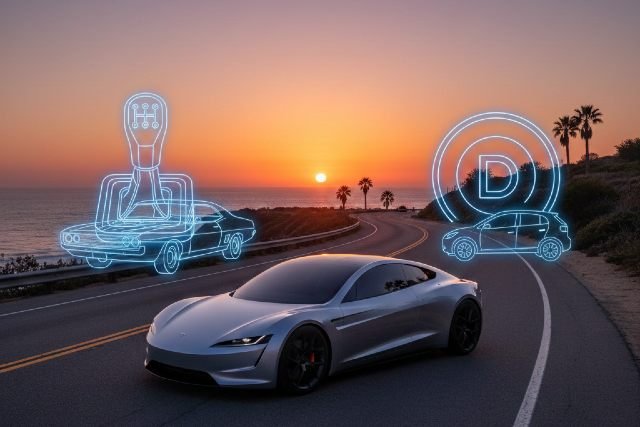
Are all electric cars automatic? This question comes up frequently as more drivers consider switching from gasoline vehicles to electric cars. For most people, the answer is yes, electric cars are automatic, but understanding why requires a closer look at how electric vehicles actually work.
- Are All Electric Cars Automatic?
- How Electric Car Transmissions Work
- Are All Electric Cars Automatic by Design?
- Do Any Electric Cars Have Manual Transmissions?
- Why Electric Cars Are Almost Always Automatic
- Performance and Driving Experience in Electric Cars
- Simulated Manual Transmissions in Electric Vehicles
- Common Questions About Electric Cars and Manual Transmissions
- Should It Matter If an Electric Car Is Automatic?
- Conclusion: Are All Electric Cars Automatic?
Electric cars are designed around electric motors rather than combustion engines. Because of this, they do not need the same type of multi-gear transmission that gas-powered vehicles rely on. As a result, automatic-style drivetrains have become the standard across nearly the entire electric vehicle market.
How Electric Car Transmissions Work
Electric vehicles use electric motors that deliver power in a completely different way than traditional engines. Instead of building torque gradually, electric motors produce maximum torque almost instantly. This allows the vehicle to accelerate smoothly from a stop without shifting through multiple gears.
Most electric cars use a single-speed transmission that continuously delivers power from low speeds to highway speeds. This design eliminates the need for driver-controlled gear changes and allows the car to operate efficiently across a wide range of driving conditions. Because of this, electric cars function like automatics even though they are mechanically simpler.
Are All Electric Cars Automatic by Design?
From a practical standpoint, nearly all electric cars are automatic. Major manufacturers such as Tesla, Nissan, Ford, Hyundai, and Chevrolet produce electric vehicles that do not require manual shifting. Drivers simply select drive, reverse, or park, and the vehicle handles everything else.
Automakers favor this design because it reduces complexity, lowers manufacturing costs, and improves long-term reliability. For drivers, it means a smoother driving experience that is easier to learn and less stressful in traffic-heavy environments.
Do Any Electric Cars Have Manual Transmissions?
Although extremely rare, a small number of electric cars with manual transmissions do exist. These are usually not mass-produced models but rather special cases or experimental designs.
Some electric vehicles are converted from gasoline cars and retain the original manual transmission. In these conversions, the electric motor is connected to the existing gearbox, allowing the driver to shift gears manually. However, this setup is typically unnecessary and is used more for hobbyist interest than performance benefits.
A few manufacturers have also experimented with manual-style electric drivetrains. Toyota, for example, has demonstrated prototype electric vehicles that simulate gear changes and include a clutch pedal. These systems rely on software rather than mechanical gears and are intended to recreate the feel of driving a manual car rather than improve efficiency or speed.
Why Electric Cars Are Almost Always Automatic
Electric cars are automatic because they do not benefit from manual shifting in the same way gas-powered vehicles do. Electric motors operate efficiently across a broad RPM range, meaning extra gears do not improve performance in most situations.
Automatic electric drivetrains also reduce maintenance needs. There is no clutch to replace, no complex gearbox to service, and fewer moving parts overall. This leads to lower ownership costs and fewer mechanical failures over time.
From a consumer perspective, automatic electric cars are more accessible. New drivers, older drivers, and people with limited mobility often find electric vehicles easier and more comfortable to operate.
Performance and Driving Experience in Electric Cars
Some driving enthusiasts worry that automatic electric cars lack excitement. In reality, electric vehicles often outperform manual gasoline cars in terms of acceleration. Instant torque allows electric cars to reach high speeds quickly without the interruption of gear changes.
High-performance electric cars such as the Tesla Model S Plaid demonstrate that speed and excitement do not require a manual transmission. The absence of shifting actually improves acceleration consistency and responsiveness.
Simulated Manual Transmissions in Electric Vehicles
To appeal to traditional driving enthusiasts, some manufacturers are exploring simulated manual transmissions. These systems may include artificial gear changes, resistance in the accelerator pedal, or even a clutch pedal that does not control real gears.
While these features can make electric cars feel more familiar to long-time manual drivers, they do not offer real performance advantages. In most cases, they reduce efficiency and add unnecessary complexity to an otherwise simple drivetrain.
Common Questions About Electric Cars and Manual Transmissions
Many drivers ask whether all electric cars are automatic. The answer is yes in nearly every case, because electric motors do not require manual shifting. Another common question is whether it is possible to buy a manual electric car. While technically possible through conversions or prototypes, manual EVs are not widely available for purchase.
Some people also wonder whether manual electric cars will become popular in the future. While niche models may appear, the overall market is expected to remain overwhelmingly automatic due to efficiency and consumer demand.
Should It Matter If an Electric Car Is Automatic?
For most buyers, the automatic nature of electric cars is a benefit rather than a drawback. Automatic EVs are easier to drive, especially in urban environments, and they reduce driver fatigue during long trips or stop-and-go traffic.
Drivers who enjoy engagement and control can still find satisfaction in electric cars through features like adjustable regenerative braking, sport modes, and instant throttle response. These characteristics often provide more involvement than traditional manual shifting.
Conclusion: Are All Electric Cars Automatic?
So, are all electric cars automatic? In real-world terms, yes. Nearly every electric car available today uses an automatic-style drivetrain because it is simpler, more efficient, and better suited to electric motor technology.
Manual electric cars exist only in rare cases, such as conversions or experimental concepts. While simulated manuals may appeal to enthusiasts, the future of electric vehicles remains firmly automatic. For most drivers, this means a smoother, faster, and more user-friendly driving experience.