A soil pipe is one of the most important components of any plumbing system, yet it is often overlooked until something goes wrong. It carries wastewater and sewage from toilets and other sanitary fixtures safely out of the property and into the main drainage system. When a soil pipe becomes damaged or blocked, it can lead to unpleasant smells, slow drainage, and even structural damage.
- What Is a Soil Pipe and How It Works
- Why Soil Pipe Problems Should Be Addressed Quickly
- Blocked Soil Pipe Problems
- Cracked or Broken Soil Pipe
- Leaking Soil Pipe Joints
- Sagging or Misaligned Soil Pipe
- Corroded Cast Iron Soil Pipe
- Poor Ventilation and Airlock Issues
- Tree Root Damage to Underground Soil Pipes
- Preventing Common Soil Pipe Problems
- When to Call a Professional Plumber
- Conclusion
Understanding the common problems with soil pipe systems allows homeowners to spot early warning signs and take action before minor issues turn into expensive repairs. This guide explains the most frequent soil pipe problems, why they occur, and how they can be fixed effectively.
What Is a Soil Pipe and How It Works
A soil pipe is a vertical pipe that transports waste from toilets to the sewer or septic tank. It also connects to a vent system that allows air to flow through the pipe, preventing pressure buildup and helping waste move smoothly.
Modern soil pipes are usually made from PVC or uPVC, while older homes may still have cast iron soil pipes. Each material has its own lifespan and maintenance requirements, which can influence the type of problems that develop over time.
Why Soil Pipe Problems Should Be Addressed Quickly
Ignoring soil pipe issues can cause more than just inconvenience. Leaks can lead to damp walls, mold growth, and damage to foundations. Blockages may result in sewage backing up into toilets or drains, creating serious hygiene risks. Studies from plumbing and sanitation authorities show that a significant percentage of household drainage failures originate from poorly maintained soil or waste pipes.
Early diagnosis and repair not only reduce health risks but also save money by avoiding major structural work.
Blocked Soil Pipe Problems
A blocked soil pipe is one of the most common plumbing issues in residential properties. Blockages often occur when non-flushable items, excessive toilet paper, or grease enter the system. Tree roots can also invade underground soil pipes through small cracks, gradually creating severe obstructions.
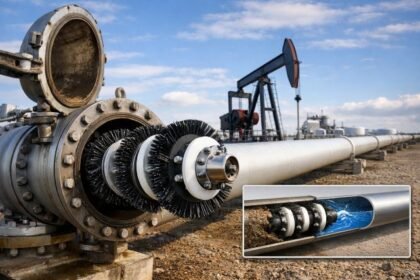
Typical signs of a blocked soil pipe include slow toilet flushing, gurgling noises from drains, and foul odors near bathroom fixtures. In mild cases, plunging or mechanical drain cleaning may resolve the issue. More severe blockages often require professional drain rodding or high-pressure water jetting to fully clear the pipe.
Cracked or Broken Soil Pipe
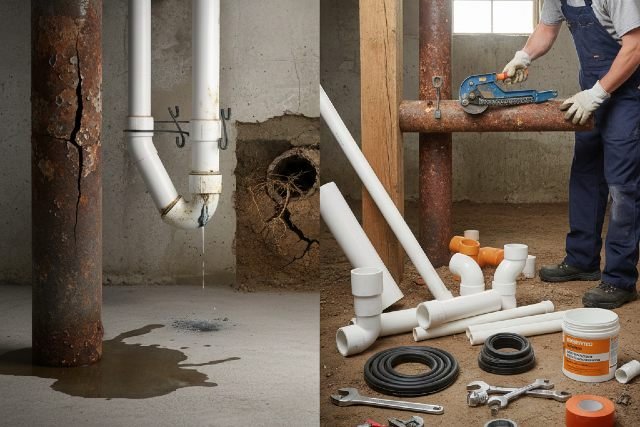
Cracks in a soil pipe are often caused by aging materials, ground movement, freezing temperatures, or poor installation. Cast iron pipes are especially vulnerable to corrosion and cracking after decades of use.
A cracked soil pipe may cause damp patches on walls, persistent sewage smells, or unexplained water damage. Temporary repair compounds can sometimes seal small cracks, but these solutions are short-term. In most cases, replacing the damaged section of pipe is the safest and most durable fix.
Leaking Soil Pipe Joints
Soil pipe joints are common failure points, especially where older pipes connect or where seals have deteriorated. Over time, rubber gaskets can harden, metal joints can corrode, and connections can loosen due to vibration or structural movement.
Leaking joints often cause slow, hidden damage behind walls or under floors. Repair usually involves resealing or replacing the joint. Prompt attention is important, as even minor leaks can lead to mold growth and long-term structural problems.
Sagging or Misaligned Soil Pipe
A soil pipe must be correctly aligned and supported to maintain proper flow. Poor installation or weakened pipe brackets can cause the pipe to sag, allowing waste to collect instead of draining freely.
Misaligned soil pipes frequently lead to recurring blockages and slow drainage. Correcting the slope and adding proper support brackets usually resolves the problem. Plumbing regulations typically specify a minimum gradient to ensure efficient wastewater flow.
Corroded Cast Iron Soil Pipe
Many older buildings still rely on cast iron soil pipes. While durable, these pipes can corrode internally and externally over time. Corrosion reduces the internal diameter of the pipe, increasing the risk of blockages and leaks.
When corrosion is minor, pipe lining techniques can extend the life of the soil pipe. In advanced cases, replacing the cast iron pipe with modern PVC is often the most cost-effective long-term solution.
Poor Ventilation and Airlock Issues
A soil pipe relies on proper ventilation to function correctly. If the vent pipe becomes blocked or improperly installed, air pressure problems can occur. This may cause gurgling sounds, slow drainage, or the loss of water from traps, allowing sewer gases to enter the home.
Clearing vent obstructions or installing an air admittance valve can restore proper airflow and eliminate these issues.
Tree Root Damage to Underground Soil Pipes
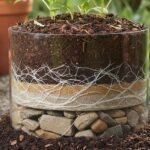
Tree roots are naturally attracted to moisture and can penetrate small cracks in underground soil pipes. Once inside, roots expand and cause significant blockages and pipe damage.
Recurring blockages and slow drainage throughout the property are common signs of root intrusion. Professional solutions include root cutting, pipe relining, or full pipe replacement depending on the severity of the damage.
Preventing Common Soil Pipe Problems
Regular maintenance plays a key role in preventing soil pipe issues. Avoid flushing inappropriate items, keep grease out of drains, and arrange periodic inspections, especially in older properties. Insulating exposed soil pipes can also help prevent damage during cold weather.
Proactive care significantly extends the lifespan of a soil pipe and reduces emergency repair costs.
When to Call a Professional Plumber
While minor blockages or visible joint leaks may be manageable, serious soil pipe problems should always be handled by a qualified plumber. Issues involving sewage backup, underground pipes, or structural damage require professional equipment and expertise to ensure safe and compliant repairs
Conclusion
A damaged or poorly maintained soil pipe can cause major disruption, health risks, and costly repairs if ignored. By understanding the common problems with soil pipe systems and knowing how they are fixed, homeowners can take timely action and protect their property.
Routine inspections, proper usage, and early repairs are the best ways to keep your soil pipe functioning efficiently. If you notice persistent drainage problems or unpleasant odors, addressing the issue early can prevent extensive damage and unnecessary expense.