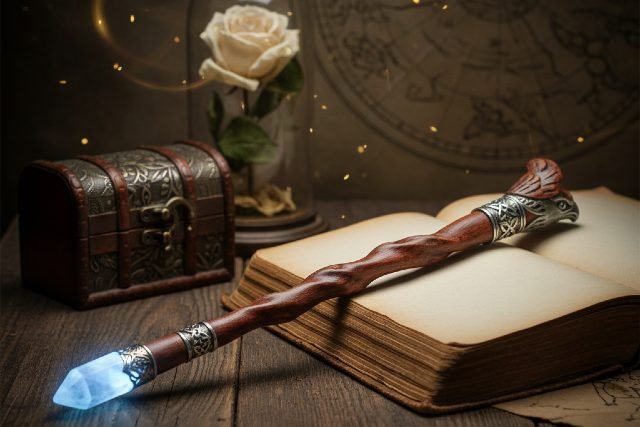
A magic wand is one of the most recognizable symbols of power, intention, and transformation in human culture. Appearing in ancient rituals, mythological stories, religious traditions, and modern entertainment, the magic wand has evolved while retaining its core meaning. At its heart, a magic wand represents the idea that focused intention, when directed through a symbolic tool, can influence change. This article explores the complete journey of the magic wand, from its historical roots to its symbolic meaning and practical relevance in the modern world.
- The Historical Origins of the Magic Wand
- Magic Wand Symbolism Across Cultures
- The Magic Wand in Religion and Spiritual Traditions
- Magic Wand in Folklore and Mythology
- The Magic Wand in Modern Pop Culture
- Modern Applications of the Magic Wand
- Choosing and Using a Magic Wand Today
- Frequently Asked Questions About Magic Wands
- Conclusion
The Historical Origins of the Magic Wand
The history of the magic wand can be traced back to early civilizations where ritual objects played a central role in religious and social life. In ancient Egypt, priests used carved wands made from ivory or sacred wood during healing and protection ceremonies. These objects were believed to ward off evil and channel divine power. Similarly, in Mesopotamia, rulers and deities were depicted holding rods or staffs that symbolized authority and cosmic order.
In ancient Greece and Rome, wand-like objects appeared frequently in mythology. Hermes, known as Mercury in Roman tradition, carried the caduceus, a staff often mistaken for a magic wand, which symbolized communication, negotiation, and transition between worlds. These early forms of the magic wand were not associated with fantasy spells but rather with leadership, spirituality, and divine connection.
Magic Wand Symbolism Across Cultures
Across cultures, the symbolism of the magic wand has remained surprisingly consistent. It often represents power, authority, and the ability to influence reality. In many traditions, the wand is seen as an extension of the individual using it, amplifying inner strength rather than creating power on its own.
Spiritually, the magic wand symbolizes focused intention. By pointing or holding a wand, the user directs energy toward a specific purpose. This symbolism explains why wand-like objects appear in religious rituals, blessings, and ceremonial acts across the world. The magic wand also represents transformation, suggesting the possibility of change, growth, and renewal.
The Magic Wand in Religion and Spiritual Traditions
Religious texts and spiritual practices frequently include objects resembling magic wands. In the Bible, Moses’ staff performs miraculous acts such as parting the Red Sea and drawing water from stone. While not called a magic wand, the staff functions in a similar symbolic role, acting as a conduit for divine power.
In Celtic traditions, Druids used wooden wands made from sacred trees like oak or ash. These wands symbolized harmony with nature and were used in seasonal rituals. Shamanic cultures around the world also employed ritual sticks or rods to communicate with spirits and guide healing practices. In each case, the magic wand represents a bridge between the physical and spiritual realms.
Magic Wand in Folklore and Mythology
Folklore played a major role in shaping the modern image of the magic wand. European fairy tales often portrayed wands as tools used by fairies, witches, and wizards to grant wishes or cast enchantments. These stories emphasized moral lessons, showing that power must be used wisely.
In Asian traditions, while the magic wand is less prominent, similar symbolic tools appear. Taoist priests used ritual rods, and Buddhist monks carried staffs representing discipline and enlightenment. These traditions focus less on magical spectacle and more on balance, wisdom, and spiritual development, yet the underlying symbolism remains closely related.
The Magic Wand in Modern Pop Culture
Modern literature and film have firmly established the magic wand as an icon of fantasy. Perhaps the most influential example is the Harry Potter series, where wands are deeply personal objects that reflect the character of their owners. The idea that “the wand chooses the wizard” reinforces the symbolic bond between tool and user.
Disney films and fairy tales also rely on the magic wand as a visual shorthand for transformation and hope. In these stories, a single wave of a wand can change destiny, reinforcing the timeless appeal of effortless transformation. These pop culture portrayals have strongly influenced how people of all ages perceive the magic wand today.
Modern Applications of the Magic Wand
In contemporary society, the magic wand has found new relevance beyond fiction. In spiritual and wellness practices, many people use magic wands or crystal wands for meditation, energy work, and intention-setting. While these practices are not scientifically proven to have supernatural effects, studies in psychology suggest that rituals and symbolic tools can improve focus, mindfulness, and emotional well-being.
The magic wand also remains important in performance arts. Stage magicians continue to use wands because they provide visual clarity and help guide audience attention. The wand reinforces the magician’s authority and enhances the theatrical experience.
In technology, the term “magic wand” is often used metaphorically. Photo editing software, design tools, and automation features frequently include “magic wand” functions that simplify complex tasks. In this context, the magic wand symbolizes ease, speed, and transformation through technology.
Educational settings also benefit from the symbolic power of the magic wand. In imaginative play, children use magic wands to explore creativity, storytelling, and problem-solving. Child development experts recognize pretend play as essential for cognitive and emotional growth, making the magic wand a valuable educational tool.
Choosing and Using a Magic Wand Today
Modern magic wands come in many forms, from handcrafted wooden pieces to crystal and decorative designs. Choosing a magic wand often depends on personal intention. Some people select wands based on material symbolism, while others are drawn to aesthetic appeal or emotional resonance.
The effectiveness of a magic wand in modern practice largely depends on belief and intention. Whether used for meditation, performance, or imaginative play, the wand serves as a physical reminder of focus and purpose.
Frequently Asked Questions About Magic Wands
Many people ask what the true purpose of a magic wand is. Traditionally, it is meant to focus intention and symbolize authority or transformation. Another common question is whether magic wands are real or fictional. While fictional portrayals dominate entertainment, real-world magic wands exist as ritual tools, symbolic objects, and performance props. People also wonder whether anyone can use a magic wand, and in modern contexts, the answer is yes. The magic wand is accessible to anyone interested in creativity, spirituality, or symbolism.
Conclusion
The magic wand has endured for thousands of years because it represents a universal human desire: the power to change, create, and transform. From ancient rituals and religious symbolism to modern pop culture, wellness practices, and technology metaphors, the magic wand continues to evolve while retaining its core meaning.
Whether viewed as a sacred tool, a storytelling device, or a symbol of simplicity and innovation, the magic wand remains relevant because it reflects the belief that intention, when focused, has the power to shape our reality.