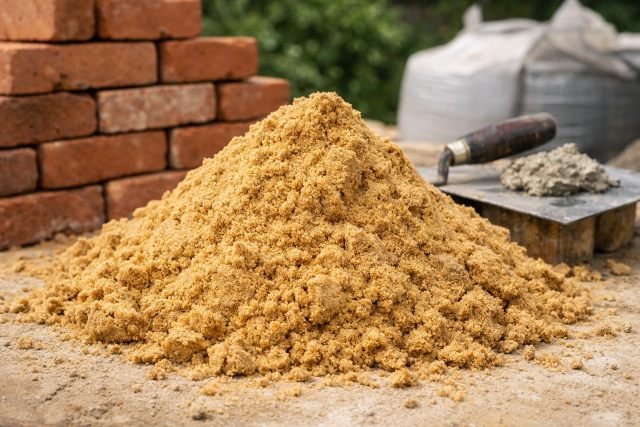
Builders sand is one of the most widely used construction materials, yet it is often underestimated in terms of its importance. From residential housing projects to large-scale commercial builds, builders sand plays a central role in bricklaying, plastering, and mortar work. Choosing the correct sand and using it properly can significantly affect strength, finish quality, and the long-term durability of masonry.
- What Is Builders Sand?
- Why Builders Sand Is Essential in Construction
- Builders Sand for Bricklaying
- Builders Sand for Plastering
- Builders Sand for Mortar Work
- Builders Sand vs Sharp Sand
- How to Choose Quality Builders Sand
- Common Mistakes When Using Builders Sand
- Cost, Coverage, and Practical Considerations
- Frequently Asked Questions About Builders Sand
- Conclusion
In this comprehensive guide, you will learn what builders sand is, why it is preferred for bricklaying, plastering, and mortar work, how it compares to other types of sand, and how to achieve the best results on real-world projects.
What Is Builders Sand?
Builders sand is a fine, soft sand commonly used in construction for producing mortar, plaster, and render. It is naturally occurring and usually sourced from riverbeds, pits, or quarries before being washed and screened for consistency. The grains are smaller and rounder than sharp sand, which makes the material easier to mix and spread.
The slightly cohesive nature of builders sand allows it to bind well with cement or lime. This characteristic is what makes it especially suitable for masonry work where smooth application and good adhesion are required. Depending on its source, builders sand may appear light brown, yellow, or slightly reddish in color.
Why Builders Sand Is Essential in Construction
Builders sand is valued because it offers a balance between strength and workability. While coarse sands provide structural strength, they lack the smoothness needed for detailed masonry work. Builders sand fills this gap by producing mixes that are easy to handle while still achieving reliable performance once cured.
Industry guidance from organizations such as the Brick Development Association emphasizes that workable mortar reduces stress on bricks and blocks, helping masonry perform better over time. Builders sand contributes directly to this workability, making it a preferred material across the construction industry.
Builders Sand for Bricklaying
Bricklaying relies heavily on the quality of the mortar used. Builders sand is the standard choice for bricklaying because it creates a mortar that spreads evenly and supports consistent brick alignment. Its fine texture allows bricks to settle into place without excessive pressure, reducing the risk of cracking.
When mixed with cement and water, builders sand produces a cohesive mortar that bonds effectively with masonry units. This ensures load distribution across the wall rather than concentrating stress on individual bricks. Builders sand also helps the mortar cure evenly, which improves overall wall strength.
For most bricklaying applications, a traditional mix of five parts builders sand to one part cement is commonly used. Adjustments may be made depending on brick type, exposure conditions, and whether lime is included for flexibility.
Builders Sand for Plastering
Plastering demands a smooth, consistent material that can be applied evenly across surfaces. Builders sand is ideal for this purpose due to its fine grading and soft texture. It allows plaster to be spread easily and finished to a clean, professional surface.
In internal plastering, builders sand is frequently used for base coats before a finishing skim. Its ability to hold moisture long enough for proper curing helps prevent cracking and shrinkage. In lime-based plaster systems, builders sand contributes to breathability, which is especially important in older buildings.
Professional plasterers often emphasize that the quality of builders sand directly affects the final appearance of walls and ceilings. Poor-quality sand containing excessive clay or debris can lead to uneven finishes and surface defects.
Builders Sand for Mortar Work
Mortar acts as both a bonding and cushioning material in masonry, and builders sand plays a critical role in its performance. The sand particles provide structure to the mortar, while cement or lime acts as the binding agent. Builders sand ensures that the mortar remains workable during application and flexible after curing.
Mortar made with builders sand is suitable for brickwork, blockwork, repointing, and general masonry repairs. According to the National House Building Council, using well-graded sand helps achieve consistent mortar strength and reduces long-term maintenance issues.
Using builders sand also helps prevent mortar from becoming overly rigid. Excessively hard mortar can lead to cracking in bricks or blocks, especially as buildings move and settle over time.
Builders Sand vs Sharp Sand
Understanding the difference between builders sand and sharp sand is essential for selecting the right material. Builders sand has finer, smoother grains that create workable mixes suitable for finishing tasks. Sharp sand, on the other hand, has coarse, angular particles designed for structural applications such as concrete and screeds.
Using sharp sand instead of builders sand in bricklaying or plastering can result in rough finishes and weak bonding. Conversely, using builders sand in concrete applications can compromise structural strength. Selecting the correct sand type ensures performance, appearance, and compliance with building standards.
How to Choose Quality Builders Sand
Not all builders sand is of equal quality. The best builders sand is clean, washed, and consistently graded. Contaminants such as excessive clay, silt, or organic matter can weaken mortar and plaster mixes.
Reputable suppliers typically process builders sand to meet recognized standards such as BS EN specifications. When sourcing builders sand, it is important to confirm that it is suitable for bricklaying and plastering applications and that it complies with local building regulations.
High-quality builders sand not only improves the final result but also reduces material waste and rework, saving time and cost over the life of a project.
Common Mistakes When Using Builders Sand
One of the most frequent mistakes is using contaminated or overly damp sand, which affects mix consistency and curing. Incorrect mix ratios can also weaken mortar or cause excessive shrinkage. Adding too much water may make application easier but significantly reduces strength once the mix sets.
Another common issue is attempting to blend builders sand with sharp sand, which leads to inconsistent grading and unpredictable performance. Builders sand should be used on its own for mortar and plastering unless a specification explicitly states otherwise.
Cost, Coverage, and Practical Considerations
Builders sand is generally affordable and widely available. Coverage depends on application thickness and mix design, but a single tonne typically supports several square meters of brickwork or plastering. Costs vary based on location, delivery distance, and whether the sand is purchased in bulk or bags.
From a sustainability perspective, responsible sourcing is increasingly important. Organizations such as the Mineral Products Association promote environmentally responsible extraction and encourage recycling where appropriate. Choosing suppliers that follow these guidelines helps reduce environmental impact without compromising quality.
Frequently Asked Questions About Builders Sand
Builders sand is primarily used for bricklaying, plastering, and mortar work because it offers excellent workability and smooth finishes. It is not suitable for concrete, which requires sharp sand for structural integrity. Builders sand and plastering sand are often the same material, provided the sand is clean and finely graded. The quantity required depends on project size, application method, and mix ratio, so careful calculation is always recommended.
Conclusion
Builders sand remains an essential material for bricklaying, plastering, and mortar work due to its fine texture, excellent workability, and reliable performance. When sourced from reputable suppliers and used with correct mix ratios, builders sand delivers strong masonry bonds and smooth, professional finishes.
Whether you are a professional contractor or a homeowner undertaking a renovation, understanding how to use builders sand correctly ensures durability, structural integrity, and long-term value. By choosing quality builders sand and following industry best practices, you set the foundation for successful construction results.