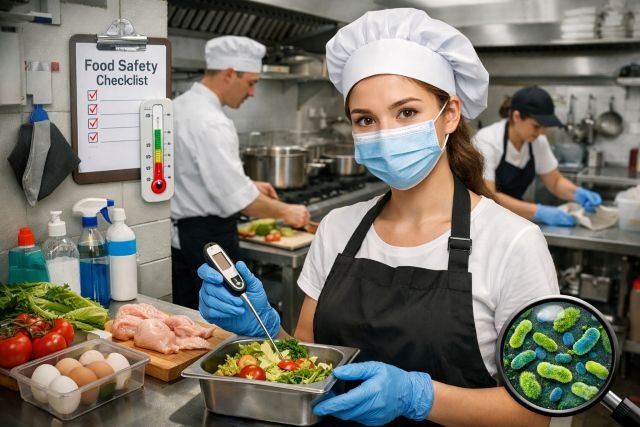
If you work with food, you already understand that one small mistake can lead to serious consequences. A rushed handwash, poorly stored ingredients, cross-contamination between raw and ready-to-eat foods, or a missed allergen warning can quickly turn into a customer complaint, a failed inspection, or even an outbreak. That is exactly why level 2 food hygiene training matters so much. It is not just a certificate to tick off. It is practical training that teaches food handlers how to work safely, protect customers, and meet legal expectations with confidence.
- Why Level 2 Food Hygiene Is Essential for Food Handlers
- Is Level 2 Food Hygiene a Legal Requirement?
- Who Needs Level 2 Food Hygiene Training?
- What Does Level 2 Food Hygiene Training Cover?
- How Level 2 Food Hygiene Supports Food Hygiene Ratings
- How Level 2 Food Hygiene Helps Prevent Foodborne Illness
- Allergen Awareness: One of the Biggest Reasons Level 2 Matters
- Business Benefits of Level 2 Food Hygiene Training
- How Often Should Level 2 Food Hygiene Training Be Refreshed?
- How to Choose the Right Level 2 Food Hygiene Course
- FAQs: Level 2 Food Hygiene Training
- Conclusion: Why Level 2 Food Hygiene Training Is Worth It
In this guide, you will learn what Level 2 Food Hygiene training covers, who needs it, and why it is widely considered the industry standard for food handlers. You will also see how it supports compliance, improves food hygiene ratings, and protects both businesses and customers in real working environments.
Level 2 Food Hygiene training, also known as Level 2 Food Safety and Hygiene, is a widely recognised qualification designed for anyone who prepares, handles, or serves food. It teaches the essential hygiene principles that reduce the risk of contamination, food poisoning, and allergen-related incidents.
This training is more practical than Level 1 and is aimed at food handlers who are actively involved in preparing or serving food. It is commonly used as the minimum standard for staff in catering, hospitality, food retail, and food production because it aligns closely with workplace risk and inspection expectations.
Many businesses use it as proof that staff understand safe food handling practices and can follow hygiene rules consistently. In real terms, it helps prevent illness, protects business reputation, and ensures customers receive food that is safe to eat.
Why Level 2 Food Hygiene Is Essential for Food Handlers
The reason level 2 food hygiene training is essential comes down to one key point: unsafe food can make people seriously ill. Foodborne illness affects millions of people worldwide each year. The World Health Organization estimates there are around 600 million cases of foodborne disease annually, causing approximately 420,000 deaths globally. That number alone highlights why food safety is not just a professional requirement but a public health responsibility.
In busy real-world environments like restaurants, cafes, catering kitchens, takeaways, and production facilities, risk increases. Food is handled quickly, staff work under pressure, and multiple people share equipment and spaces. Small mistakes become easier to make, which is why structured training is so valuable. Level 2 hygiene training builds awareness and habits that help food handlers make safer decisions without overthinking every step.
It also improves workplace confidence because staff understand not just what to do, but why it matters. That understanding makes hygiene routines more consistent, which is exactly what inspectors and customers want.
Is Level 2 Food Hygiene a Legal Requirement?
Many people ask whether Level 2 Food Hygiene training is legally required. In the UK, the law does not always state that food handlers must hold a specific “Level 2 certificate” by name. However, it does require that food handlers are trained, instructed, or supervised in food hygiene matters appropriate to their role. This means the training must match the level of risk in the job.
So while the certificate itself may not be mandatory, the training absolutely is. In practice, Level 2 is the most widely accepted and expected standard for frontline food handlers. It is also the easiest way for businesses to show that they are meeting training responsibilities, especially during inspections or audits.
Who Needs Level 2 Food Hygiene Training?
If your job involves preparing food, cooking food, serving food, packaging food, storing food, or handling unwrapped food, then Level 2 Food Hygiene training is usually the right level for you. It is suitable for food handlers working in kitchens, catering companies, restaurants, cafes, schools, care homes, bakeries, supermarkets, butcher counters, and food manufacturing environments.
It is also helpful for people who supervise food staff even if they are not cooking every day, because they need to understand hygiene risks and how to prevent them. For many employers, Level 2 is the minimum requirement before a staff member is allowed to handle food independently.
What Does Level 2 Food Hygiene Training Cover?
One of the reasons Level 2 training is so useful is that it focuses on real workplace scenarios rather than theory alone. It teaches food handlers how contamination happens and what steps prevent it.
A major topic is food safety hazards and contamination. Food can become unsafe through bacteria and viruses, physical contaminants like hair or packaging, chemical contamination from cleaning products, and allergens. Level 2 explains how each hazard enters the food chain and how to control it through hygiene routines and safe handling.
Personal hygiene is another core area. This includes the importance of thorough handwashing, clean uniforms, protective clothing, illness reporting, and avoiding behaviours that can spread contamination such as touching hair or wearing unsuitable jewellery.
Cross-contamination prevention is covered in detail because it is one of the most common causes of food safety incidents. Staff learn the risks of raw and ready-to-eat foods sharing surfaces, how to separate tasks safely, and why cleaning routines must be consistent during service.
Temperature control is also a key component. Food safety depends heavily on correct refrigeration, safe cooking temperatures, cooling processes, and reheating practices. Level 2 training teaches food handlers how temperature affects bacterial growth and why temperature checks are essential.
Cleaning and disinfection are taught as separate processes, which is important because many staff assume cleaning alone removes bacteria. Level 2 explains how to use safe cleaning methods, why schedules matter, and how to clean high-risk areas effectively.
Pest control and premises hygiene are included because pests can cause serious contamination. Food handlers learn how to spot warning signs, reduce pest access, and report concerns quickly before the issue becomes a larger risk.
How Level 2 Food Hygiene Supports Food Hygiene Ratings
If you work in a food business, hygiene ratings influence public trust. Customers frequently check scores before choosing where to eat, and a poor rating can reduce footfall even if the food is good.
The Food Hygiene Rating Scheme assesses factors like food handling, cleanliness, and food safety management. While training alone does not guarantee a perfect score, it strongly supports the habits that inspectors want to see. When staff understand hygiene rules and apply them daily, cleaning is more consistent, storage becomes safer, allergen procedures are followed properly, and compliance is easier to demonstrate during inspections.
Level 2 training also strengthens management confidence. Managers can delegate tasks more effectively because they know staff understand the basics, and they can focus on systems, monitoring, and continuous improvement rather than repeating instructions.
How Level 2 Food Hygiene Helps Prevent Foodborne Illness
Foodborne illness often starts with everyday mistakes that seem harmless in the moment. A common example is handling raw chicken and then preparing salad without washing hands correctly. Under pressure, shortcuts happen. Those shortcuts allow bacteria to transfer onto ready-to-eat food and create illness risk.
Level 2 training prevents this by teaching food handlers how contamination spreads and what habits reduce risk. It reinforces key behaviours like washing hands at the correct moments, cleaning surfaces properly, separating raw and ready-to-eat foods, and storing ingredients safely.
The most important benefit is consistency. When food handlers have proper training, they are more likely to follow hygiene standards even during busy periods. This reduces the chance of food poisoning incidents and protects the business from reputational damage.
Allergen Awareness: One of the Biggest Reasons Level 2 Matters
Allergen management has become one of the most serious responsibilities for food businesses. One wrong ingredient, unclear labelling, or cross-contact in the kitchen can lead to severe allergic reactions. These incidents can also result in legal action, business closure, or long-term reputation harm.
Level 2 food hygiene training helps staff understand allergens, avoid cross-contact, and communicate safely with customers. It reinforces the importance of clear procedures, especially in busy kitchens where multiple meals are prepared side by side.
Even food handlers who are not responsible for writing allergen menus still need this knowledge because they are often the ones preparing food, plating it, or handling utensils. Level 2 ensures food handlers understand allergen risk as part of daily hygiene practice.
Business Benefits of Level 2 Food Hygiene Training
Employers prioritise Level 2 training because it reduces risk and supports operational performance. Hygiene-related errors are expensive. Food waste, failed inspections, customer complaints, and legal issues all cost far more than proper training.
Training also improves customer trust. When customers see a strong hygiene rating and receive confident answers about allergens, they feel safer. That trust leads to repeat business and stronger reviews, especially in competitive markets.
For staff, Level 2 training builds professionalism. It shows employers that a food handler takes their role seriously and understands the responsibilities involved. It also improves confidence, which can lead to better performance and faster progression into supervisory roles.
How Often Should Level 2 Food Hygiene Training Be Refreshed?
A common question is whether Level 2 certificates expire. There is no universal legal expiry date, but many employers refresh training every three years as best practice. This helps ensure staff knowledge stays up to date and avoids hygiene habits slipping over time.
Refresher training is especially useful because food safety standards evolve and allergen expectations increase. Even experienced staff benefit from reviewing key topics, especially if they have worked in different kitchens with different systems.
How to Choose the Right Level 2 Food Hygiene Course
Choosing the right Level 2 course matters because training quality affects learning outcomes. A good course should be recognised, cover current best practices, and be relevant to real food handling environments.
Look for courses that include cross-contamination prevention, temperature control, cleaning and disinfection, allergen awareness, and legal responsibilities. A course should also be clear and practical so staff can apply the knowledge immediately at work.
If your business operates in higher-risk environments, such as care homes or food manufacturing, it may also be worth pairing Level 2 training with additional allergen training or moving supervisors to Level 3 food hygiene training for deeper management-level coverage.
FAQs: Level 2 Food Hygiene Training
What is level 2 food hygiene?
Level 2 food hygiene is a food safety training course for food handlers. It covers contamination prevention, personal hygiene, safe storage, temperature control, cleaning procedures, and allergen awareness.
Who needs level 2 food hygiene training?
Anyone who prepares, cooks, serves, packages, or handles food should take Level 2 training. It is commonly required for kitchen staff, catering teams, food retail workers, and food production employees.
Is level 2 food hygiene mandatory?
Training is legally required for food handlers, but the law does not always specify Level 2 by name. Level 2 is widely accepted as the standard qualification for staff who handle food directly.
How long does level 2 food hygiene training take?
Most Level 2 courses take a few hours to complete, depending on the training provider and the pace of the learner.
How long does a level 2 food hygiene certificate last?
There is no legal expiry date, but many employers recommend refreshing Level 2 training every three years as best practice to keep knowledge current.
Conclusion: Why Level 2 Food Hygiene Training Is Worth It
Level 2 food hygiene training is essential because it gives food handlers the skills to protect customers, prevent contamination, manage allergens safely, and maintain high hygiene standards every day. With hundreds of millions of foodborne illness cases occurring worldwide each year, proper training is not just a workplace requirement but a serious responsibility.
For businesses, Level 2 training supports stronger compliance, improved hygiene ratings, fewer incidents, and better customer trust. For staff, it builds confidence, professionalism, and long-term career value. Whether you are starting a new role or managing a busy team, investing in Level 2 Food Hygiene training is one of the smartest and most practical decisions you can make for food safety and success.