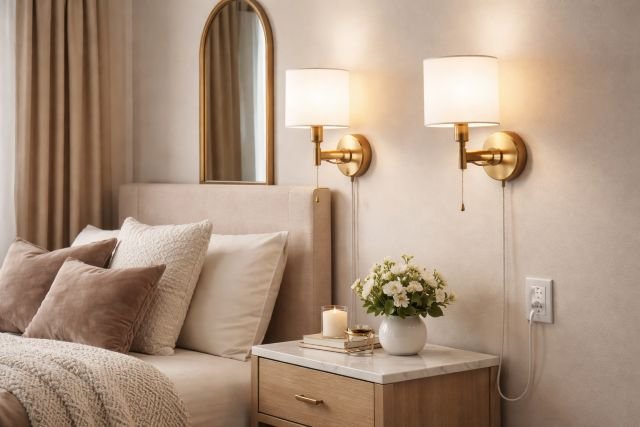
If you want a designer-looking upgrade without hiring an electrician, plug in wall lights are one of the fastest ways to make a room feel intentionally styled. They add warm, eye-level glow, create the layered lighting effect you see in hotels and well-designed homes, and they do it without hardwiring. That’s exactly why plug-in sconces have become a go-to for renters, new homeowners, and anyone who wants high-end impact with low hassle.
- What “expensive-looking” really means in plug in wall lights
- Why plug-in sconces are trending right now
- The top-rated styles of plug in wall lights that look surprisingly expensive
- How to buy plug in wall lights like a designer
- Bulbs that make plug in wall lights look expensive
- Room-by-room ideas that make plug in wall lights look built-in
- Installation and styling tips so plug in wall lights don’t look “temporary”
- FAQ for featured snippets
- Conclusion: the easiest way to get a high-end glow without hardwiring
There’s also a practical upside. The U.S. Department of Energy explains that residential LEDs, especially ENERGY STAR-rated products, use at least 75% less energy and last up to 25 times longer than incandescent lighting. So when you choose plug-in wall sconces that use LED bulbs, you’re not only upgrading the look of your space, you’re making a choice that can save energy over time.
This article walks you through what makes a plug-in sconce look expensive, which styles consistently earn “wow, those look custom” reactions, and how to install and style them so they read built-in rather than temporary.
What “expensive-looking” really means in plug in wall lights
Expensive-looking wall lighting isn’t about one specific style. It’s about the details your eyes read as quality. The biggest difference usually comes down to materials, proportions, and the way the light itself behaves.
Materials are the first tell. Real metal finishes like aged brass, matte black, and brushed nickel tend to look richer than glossy, mirror-like plating. Shades matter just as much. Linen, textured fabric, ceramic, and thick opal glass soften the light and add visual depth, while thin plastic or clear glass can feel harsh or “builder grade.”
Proportions are the second tell. Many high-end sconces have slightly larger backplates, longer arms, or more generous shade sizes. That extra scale looks intentional and architectural, and it photographs better too.
Light quality is the third tell. The most expensive homes rarely rely on harsh overhead lighting alone. Instead, they use layered lighting, meaning the room combines ambient, task, and accent sources so the space feels comfortable and dimensional. Plug-in wall sconces are an easy way to add that missing layer.
Why plug-in sconces are trending right now
The shift away from relying on overhead lighting has become a real design conversation, with more people styling rooms around softer, targeted wall lighting. Recent design coverage highlights how wall sconces are being used to create warmer ambiance and more intentional entryways and living spaces. Plug-in versions ride that same trend, but remove the barrier of electrical work.
There’s also the “move-it-later” advantage. If you change your layout, move homes, or redesign a room, you can take plug-in wall lights with you. That flexibility is a big reason lifestyle and home outlets keep calling plug-in sconces the cozy-lighting shortcut.
The top-rated styles of plug in wall lights that look surprisingly expensive
Instead of naming one “best” sconce, it helps to shop by style category. Certain silhouettes repeatedly show up in well-designed spaces because they look custom even at approachable price points. When you search reviews, you’ll notice the same themes come up: sturdy build, flattering light, and a finish that looks authentic in person.
Plug in wall lights with swing arms for the “hotel bedside” look
Swing-arm plug-in sconces look expensive because they solve a real problem elegantly. They bring light exactly where you want it, then fold back neatly so the wall stays clean. That built-in functionality reads premium, especially in bedrooms and reading corners.
If you want that boutique-hotel feel, look for a swing arm with a wide backplate and a shade that diffuses light rather than blasting it. Linen shades are the easiest win here, because they create a soft halo effect that makes the whole area feel calmer.
In a real-world bedroom scenario, a pair of swing-arm plug in wall lights installed at a consistent height on both sides of the bed instantly makes mismatched nightstands look deliberate. The symmetry does the heavy lifting. If you want to double down on the “custom” look, hide the cord with a paintable channel and route it straight down to the outlet.
Linen-shade plug in wall sconces for quiet-luxury glow
If your goal is “surprisingly expensive,” fabric shades are your friend. Linen, cotton, and textured neutrals immediately make a wall sconce feel softer and more layered. They also photograph beautifully because they remove hotspots and glare.
These are especially strong in living rooms and bedrooms, where you want the light to feel warm and atmospheric rather than clinical. Designers often talk about the impact of layered lighting on comfort and mood, and fabric-shade sconces are a simple way to add that layer without redoing the ceiling fixtures.
The key is scale. A slightly larger shade usually looks more upscale than a small one, because it feels “designed” rather than “added later.” If you’re between sizes, the larger option often reads more expensive as long as it fits your wall space.
Opal or milk-glass globe plug in wall lights for a modern classic
Opal glass globes are a shortcut to a high-end look because they create even, diffused light while looking sculptural. This style works in hallways, kitchens, and entryways because it feels clean and intentional from multiple angles.
If you’ve ever seen a home that looks polished but minimal, chances are there’s an opal globe somewhere. The glass is doing two jobs at once, acting as décor and as a light diffuser.
To keep this look expensive, prioritize thicker-looking glass and a simple metal base. Warm finishes like aged brass add “designer energy,” while matte black can look especially sharp against white walls.
Picture lights that turn basic art into a statement
Picture lights are one of the most overlooked “expensive house” tricks. A single picture light above a large print can instantly make a space feel curated, like a boutique hotel hallway or a styled catalog shoot.
Plug-in versions are especially practical because you can add them in rentals or older homes without modifying wiring. The most important detail here is cord management. If the cord is visible and draped, the illusion breaks. If the cord is hidden in a channel or routed neatly, people assume it’s hardwired.
If you want your living room to feel more elevated without buying new furniture, this is an excellent place to spend. You’re upgrading the entire wall moment, not just adding brightness.
Up-and-down plug in wall lights for architectural drama
Up-and-down sconces cast light both ways, and that double wash is a big part of what makes them look expensive. It feels architectural, like the lighting was planned with the space rather than tacked on. In hallways and stair walls, this effect can be transformative.
To keep this style from looking too harsh, choose a warm bulb and a finish that isn’t overly shiny. Even spacing matters more than people think. When sconces are evenly placed, the wall glow becomes rhythmic and calming, which is why this style is common in higher-end corridors.
Ceramic or plaster-style plug in wall sconces for a designer texture moment
Textured sconces are popular because they look handmade and add depth even when they’re not turned on. Ceramic and plaster-style forms pair beautifully with organic modern spaces, warm neutrals, and Mediterranean-inspired rooms.
This category is where bulb choice becomes make-or-break. Cooler bulbs flatten texture, while warmer light makes the surface look richer and more dimensional. If you’re going for “surprisingly expensive,” lean warm.
How to buy plug in wall lights like a designer
The easiest way to avoid regret is to shop with a few non-negotiables in mind. You don’t need to obsess over every spec, but you do want to confirm the basics that affect how expensive the light looks and how pleasant it feels daily.
Start with the finish. If your room already has metal accents, match the undertone. Aged brass generally plays well with warm wood and beige walls. Matte black looks intentional in modern spaces and can help tie together black frames or hardware. Brushed nickel is the safe choice when you want a clean look without pulling too warm.
Next, think about the shade and how the light will behave. If the bulb is visible, choose a bulb that’s diffused or choose a shade that hides it. If your goal is ambient glow, fabric and opal glass are usually more flattering than clear glass.
Then consider switching and convenience. Some plug-in sconces have an on-cord switch, which is fine, but can get annoying if the switch ends up behind furniture. If that sounds like your setup, a smart plug can make the light feel like it’s built into your routine.
Finally, consider brightness and comfort. Many people shop by watts, but lumens are the better guide for brightness. A softer, lower-lumen lamp can still look expensive because the goal isn’t spotlight brightness, it’s atmosphere and layering. Layered lighting is often framed as a combination of ambient, task, and accent sources, and wall sconces typically fill the task and accent roles very well.
Bulbs that make plug in wall lights look expensive
A beautiful sconce can still look cheap with the wrong bulb. The quickest path to a luxe feel is warm, flattering light. For most homes, warm white is the sweet spot, especially in bedrooms and living rooms where you want comfort.
LED is also the clear choice for efficiency. The U.S. Department of Energy notes that residential LEDs use at least 75% less energy and last up to 25 times longer than incandescent lighting. ENERGY STAR explains LED lighting products can produce light far more efficiently than incandescent bulbs. If you want a practical number to anchor expectations, ENERGY STAR materials also highlight that qualified bulbs can save meaningful electricity costs over their lifetime.
If your sconce uses a dimmer-compatible bulb or you plan to use a smart dimmer, check compatibility before you buy. Good dimming is part of what makes lighting feel expensive. Bad dimming, flicker, or color shifting is the fastest way to make a room feel off.
Room-by-room ideas that make plug in wall lights look built-in
In bedrooms, plug in wall lights shine as bedside lighting. When you replace table lamps with matching sconces, your nightstands suddenly look cleaner and your wall looks designed. Mounting a matched pair at a consistent height creates that hotel symmetry even if your furniture isn’t perfectly coordinated.
In living rooms, plug-in sconces make a sofa wall look intentional. Adding a sconce near a reading chair can also reduce the need for a tall floor lamp, which helps a room feel more open and styled. Lifestyle coverage and designer recommendations often highlight plug-in sconces as a cozy lighting workaround that doesn’t require renovation.
In hallways, evenly spaced sconces create an upscale rhythm. This is where up-and-down fixtures really pay off because they add architectural glow. If you only add lighting in one place, hallways are a surprising winner because the transformation is immediate.
In home offices, a sconce behind your desk can improve how your space looks on calls and how it feels during long work sessions. A picture light above art behind your desk is another underrated upgrade, because it creates a “styled backdrop” without needing shelves or major changes.
If you want internal link targets for your site, a natural set would be something like /blog/bedside-lighting-height, /blog/layered-lighting-living-room, and /blog/home-office-lighting-setup. These fit organically into the reader journey and keep them moving through related content.
Installation and styling tips so plug in wall lights don’t look “temporary”
The number-one reason plug-in sconces look cheap is cord visibility. If the cord drapes diagonally to an outlet, your eye reads it as temporary. If the cord is routed straight down in a paintable channel, the eye reads it as intentional.
Spacing is the second biggest factor. People can sense when placement is guessed. Even if you’re not a perfectionist, measure for symmetry when using a pair. In hallways, consistent spacing is what creates that higher-end “designed” feeling.
Backplates also matter. A larger backplate covers more wall area and reads more permanent. If your sconce has a smaller backplate, you can still make it feel substantial by pairing it with a larger shade or a longer arm.
FAQ for featured snippets
Are plug in wall lights as good as hardwired sconces?
For most people, yes. Plug-in sconces can deliver the same style and the same quality of light, especially when paired with good LED bulbs. The biggest visual difference is the cord, and that’s solvable with neat routing and a paintable cover.
How do I hide the cord on plug in wall lights?
Route the cord straight down to the outlet using a paintable cord channel. When it matches your wall color and stays vertical, the sconce reads far more like a hardwired fixture.
What bulb color temperature makes wall sconces look expensive?
Warm light is the safest bet for a high-end look, especially with linen shades, opal glass, and brass finishes. Warm light tends to feel more hospitality-inspired, while cool light can feel clinical and flatten textures.
Do LED bulbs really save that much energy?
Authoritative sources say yes. The U.S. Department of Energy states residential LEDs use at least 75% less energy and last up to 25 times longer than incandescent lighting.
Conclusion: the easiest way to get a high-end glow without hardwiring
If you want your space to look more expensive quickly, plug in wall lights are one of the smartest upgrades you can make. The styles that consistently read premium are swing arms for bedrooms, linen shades for soft ambiance, opal globes for a modern classic look, picture lights for art-focused polish, and up-and-down sconces for architectural glow. When you pair the right style with warm, flattering LED bulbs and clean cord management, plug-in sconces stop looking like a workaround and start looking like a design choice. And you get the efficiency benefits of LED lighting backed by the Department of Energy and ENERGY STAR guidance.