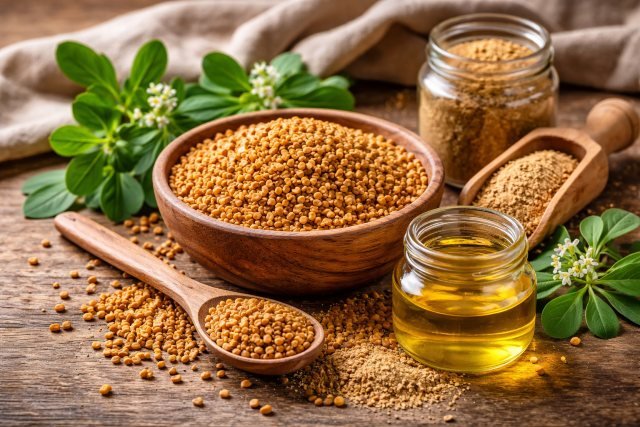
Foenegriek, also known as fenugreek (Trigonella foenum-graecum), is a powerful medicinal herb and culinary spice that has been used for centuries across Asia, the Middle East, and the Mediterranean. Today, Foenegriek is gaining global attention for its potential health benefits, especially for blood sugar control, digestion, cholesterol management, and lactation support.
- What Is Foenegriek?
- Traditional and Modern Uses of Foenegriek
- Health Benefits of Foenegriek Backed by Science
- How Foenegriek Works in the Body
- Foenegriek Dosage and Forms
- Side Effects of Foenegriek
- Foenegriek Drug Interactions
- Who Should Avoid Foenegriek?
- How to Choose a High-Quality Foenegriek Supplement
- Frequently Asked Questions About Foenegriek
- Conclusion: Is Foenegriek Worth Using?
Despite its popularity, many people are unsure how Foenegriek works, whether it is truly effective, and what side effects or interactions it may cause. This detailed guide breaks down everything you need to know about Foenegriek — based on science, real-world use, and safety considerations.
What Is Foenegriek?
Foenegriek is a leguminous plant whose seeds and leaves are widely used for both medicinal and culinary purposes. The seeds contain bioactive compounds such as galactomannan fiber, saponins, alkaloids, and flavonoids, which are responsible for most of its physiological effects.
Quick definition:
Foenegriek is a medicinal herb and spice traditionally used to support blood sugar control, digestion, cholesterol levels, and breastfeeding, with growing scientific evidence supporting some of its benefits.
Traditional and Modern Uses of Foenegriek
Culinary Use of Foenegriek
Foenegriek seeds are commonly used in Indian curries, spice blends, bread, and pickles. When used in cooking, Foenegriek is generally considered safe and provides mild digestive benefits along with a nutty, slightly bitter flavor.
Foenegriek as a Dietary Supplement
In modern wellness practices, Foenegriek is available as capsules, powders, extracts, and herbal teas. These forms deliver much higher doses than food use and therefore require more caution.
Foenegriek for Breastfeeding Support
Foenegriek is one of the most popular herbal galactagogues used to support breast milk production. While many women report positive results, scientific evidence remains mixed and individualized.
Health Benefits of Foenegriek Backed by Science
Foenegriek for Blood Sugar Control
Foenegriek has been widely studied for its effects on type 2 diabetes and insulin resistance. A 2024 meta-analysis of 19 clinical trials found that Foenegriek supplementation significantly reduced:
- Fasting blood glucose (average reduction ~20 mg/dL)
- HbA1c levels (average reduction ~0.54%)
- Insulin resistance markers
- Triglycerides and LDL cholesterol
These findings suggest Foenegriek may be a useful complementary strategy for blood sugar management, though it should never replace prescribed medication.
The National Center for Complementary and Integrative Health (NCCIH) also acknowledges potential glucose-lowering effects while emphasizing the need for medical supervision.
Foenegriek and Cholesterol Levels
Several randomized controlled trials suggest Foenegriek may improve lipid profiles. A meta-analysis published in Phytomedicine reported reductions in total cholesterol, LDL cholesterol, and triglycerides, with modest HDL improvements.
However, researchers noted high variability among studies, meaning results may differ based on dose, extract quality, and individual metabolism.
Foenegriek for Breast Milk Production
A network meta-analysis examining herbal galactagogues found that Foenegriek showed a statistically significant increase in breast milk volume compared to placebo in small trials.
That said, experts caution that breastfeeding technique, frequency, and infant latch play a much larger role than supplements alone.
The NCCIH states that evidence remains limited and inconsistent.
How Foenegriek Works in the Body
Foenegriek’s benefits are primarily attributed to:
- Soluble fiber (galactomannans) that slow carbohydrate absorption and improve satiety
- Saponins that may influence cholesterol metabolism
- Bioactive compounds that support insulin sensitivity
These mechanisms explain why Foenegriek is often associated with metabolic health benefits, though results vary between individuals.
Foenegriek Dosage and Forms
There is no universally established dosage for Foenegriek. Clinical studies have used a wide range of preparations, including whole seed powder, capsules, and standardized extracts.
General guidance:
- Culinary use is the safest and most conservative approach
- Supplements should be started at low doses
- Effects should be monitored for 1–2 weeks before increasing intake
Consistency matters more than high doses.
Side Effects of Foenegriek
Foenegriek is generally well tolerated, but side effects may occur, especially at higher doses.
Common side effects include:
- Digestive discomfort
- Diarrhea
- Nausea
- Bloating
More serious but rare side effects include allergic reactions and dangerously low blood sugar.
Foenegriek Drug Interactions
Foenegriek and Diabetes Medications
Foenegriek may enhance the effects of insulin and oral antidiabetic drugs, increasing the risk of hypoglycemia. Blood sugar monitoring is essential.
Foenegriek and Blood Thinners
Foenegriek may interact with anticoagulants such as warfarin, potentially increasing bleeding risk.
Always consult a healthcare provider before combining Foenegriek with medications.
Who Should Avoid Foenegriek?
Foenegriek should be used cautiously or avoided by:
- Pregnant women (supplemental doses)
- Individuals with hormone-sensitive conditions
- People with severe allergies
- Children without medical guidance
Food-level intake is generally considered safe.
How to Choose a High-Quality Foenegriek Supplement
Look for:
- Botanical name (Trigonella foenum-graecum)
- Clear dosage labeling
- Third-party testing
- Minimal additives
Avoid “miracle blends” that obscure actual Foenegriek content.
Frequently Asked Questions About Foenegriek
Does Foenegriek really lower blood sugar?
Clinical studies and meta-analyses show Foenegriek can significantly reduce fasting glucose and HbA1c in people with type 2 diabetes.
How long does Foenegriek take to work?
Some users notice effects within a few weeks, though results depend on dosage, diet, and individual metabolism.
Is Foenegriek safe for breastfeeding?
Some evidence suggests it may increase milk production, but results vary and professional guidance is recommended.
What are the most common side effects?
Digestive issues such as diarrhea, bloating, and nausea are the most commonly reported side effects.
Conclusion: Is Foenegriek Worth Using?
Foenegriek is a time-tested herb with promising benefits for blood sugar control, cholesterol management, digestion, and possibly lactation. Scientific research supports several of these uses, though results vary and quality of evidence differs.
Foenegriek should be viewed as a supportive tool, not a cure. When used responsibly, monitored carefully, and combined with healthy lifestyle habits, Foenegriek can be a valuable addition to a wellness routine. However, due to its potential side effects and drug interactions, professional guidance is strongly recommended — especially for individuals managing chronic conditions.