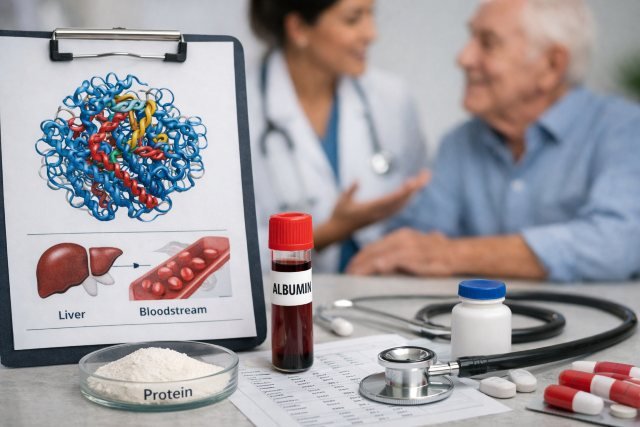
Albumīns is one of the most important proteins found in human blood plasma. Produced primarily by the liver, albumīns plays a crucial role in maintaining fluid balance, transporting essential substances, and supporting overall health.
- What Is Albumīns?
- Key Functions of Albumīns in the Body
- Normal Albumīns Levels
- Causes of Low Albumīns Levels
- Causes of High Albumīns Levels
- Symptoms of Abnormal Albumīns Levels
- Albumīns Blood Test: What to Expect
- How to Maintain Healthy Albumīns Levels
- Why Albumīns Is Important for Overall Health
- Frequently Asked Questions (FAQ)
- Conclusion
In fact, albumīns makes up about 50–60% of the total protein in blood plasma, highlighting its vital physiological importance. According to the National Library of Medicine, albumin helps carry hormones, vitamins, and drugs throughout the body while also preventing fluid from leaking out of blood vessels.
Because of these functions, abnormal albumīns levels in blood tests can be an early indicator of liver disease, kidney disorders, malnutrition, or chronic inflammation.
What Is Albumīns?
Albumīns is a water-soluble protein synthesized in the liver and released into the bloodstream. It belongs to a group of proteins known as serum proteins.
The body produces approximately 10–15 grams of albumin daily, depending on nutritional status and liver health.
Its primary roles include:
- Maintaining oncotic pressure (fluid balance in blood vessels)
- Transporting hormones, fatty acids, and medications
- Acting as a protein reserve
- Supporting tissue growth and repair
Albumīns levels are typically measured through a serum albumin blood test, often included in routine metabolic panels.
Key Functions of Albumīns in the Body
1. Maintaining Fluid Balance
One of the most important functions of albumīns is maintaining osmotic pressure in the bloodstream.
Albumīns helps keep fluid inside blood vessels. Without enough albumin, fluid may leak into surrounding tissues, causing swelling known as edema.
For example:
A person with severe liver disease may develop swollen legs or abdomen because albumīns levels drop and fluid escapes from blood vessels.
2. Transporting Essential Molecules
Albumīns acts as a transport protein, carrying many substances through the bloodstream.
These include:
- Hormones (thyroid hormones, cortisol)
- Fatty acids
- Calcium
- Medications
- Bilirubin
- Vitamins
Because albumīns binds to many drugs, it plays a key role in drug distribution and metabolism.
According to Harvard Medical School, albumin binding can affect how medications work in the body.
3. Supporting Tissue Growth and Repair
Albumīns serves as a protein reservoir that the body can use during tissue repair or times of illness.
During injuries or infections, the body may break down albumin to provide amino acids needed for healing.
This is why low albumīns levels are common in chronic illness or severe trauma.
4. Antioxidant and Anti-Inflammatory Properties
Recent research suggests albumīns also has antioxidant functions, helping neutralize harmful molecules known as free radicals.
Albumin can bind toxins and metals, preventing them from damaging tissues.
Studies published in the Journal of Clinical Medicine indicate that albumin plays a role in reducing oxidative stress and inflammation.
Normal Albumīns Levels
Normal albumīns levels in blood typically range between:
3.5 to 5.0 grams per deciliter (g/dL)
However, slight variations may occur depending on:
- Age
- Hydration level
- Laboratory testing methods
- Overall health
Typical Reference Ranges
| Category | Albumin Level |
|---|---|
| Normal | 3.5 – 5.0 g/dL |
| Low (Hypoalbuminemia) | Below 3.5 g/dL |
| High (Hyperalbuminemia) | Above 5.0 g/dL |
Doctors interpret albumin levels along with other tests such as:
- Total protein
- Liver function tests
- Kidney function tests
Causes of Low Albumīns Levels
Low albumīns levels, also known as hypoalbuminemia, can indicate several health conditions.
1. Liver Disease
Because albumin is produced in the liver, liver disorders such as:
- Cirrhosis
- Hepatitis
- Liver failure
can reduce albumin production.
2. Kidney Disease
Kidney disorders like nephrotic syndrome can cause albumin to leak into urine.
This condition is called albuminuria.
3. Malnutrition
Protein deficiency or severe malnutrition can limit the body’s ability to produce albumin.
This is common in:
- Chronic illness
- Eating disorders
- Severe calorie restriction
4. Inflammation or Infection
During inflammation, the body may reduce albumin production while increasing other proteins used in immune response.
Conditions include:
- Sepsis
- Chronic infections
- Autoimmune diseases
5. Digestive Disorders
Certain gastrointestinal diseases reduce protein absorption.
Examples include:
- Crohn’s disease
- Celiac disease
- Protein-losing enteropathy
Causes of High Albumīns Levels
High albumīns levels are less common and usually related to dehydration.
When the body loses fluid, albumin concentration increases.
Other possible causes include:
- Severe diarrhea
- Vomiting
- Excessive sweating
- Certain medications
However, high albumin rarely indicates a serious disease.
Symptoms of Abnormal Albumīns Levels
Low albumīns levels may lead to symptoms such as:
- Swelling in legs or abdomen
- Fatigue
- Weak muscles
- Poor wound healing
- Shortness of breath
High albumin usually produces no obvious symptoms and is often discovered through blood tests.
Albumīns Blood Test: What to Expect
The albumin blood test measures the amount of albumin circulating in the bloodstream.
Doctors typically order this test to evaluate:
- Liver health
- Kidney function
- Nutritional status
- Chronic disease
The procedure involves a simple blood draw from a vein in the arm.
Results are usually available within 24 hours.
How to Maintain Healthy Albumīns Levels
Maintaining healthy albumīns levels requires supporting both liver health and overall nutrition.
Eat Protein-Rich Foods
Include high-quality protein sources such as:
- Eggs
- Fish
- Lean meats
- Beans
- Dairy products
- Nuts and seeds
Support Liver Health
Avoid excessive alcohol and maintain a healthy weight to reduce liver stress.
Stay Hydrated
Proper hydration helps maintain normal protein concentration in the blood.
Manage Chronic Conditions
Proper treatment of kidney disease, diabetes, and inflammatory disorders can prevent abnormal albumin levels.
Why Albumīns Is Important for Overall Health
Albumīns plays a central role in maintaining physiological balance in the body.
Without adequate albumin:
- Nutrient transport becomes inefficient.
- Fluid balance is disrupted.
- Tissue repair slows down.
Medical researchers also use albumin levels as a marker of disease severity and overall health status.
For example, studies show that low albumin levels are linked to higher mortality rates in hospitalized patients.
Frequently Asked Questions (FAQ)
What does albumīns do in the body?
Albumīns is a blood protein produced by the liver that maintains fluid balance and transports hormones, vitamins, and medications throughout the body.
What happens if albumīns levels are low?
Low albumīns levels can cause swelling, fatigue, and poor healing. They may also indicate liver disease, kidney disorders, or malnutrition.
How can I increase albumīns levels naturally?
You can increase albumīns levels by eating protein-rich foods, improving overall nutrition, staying hydrated, and treating underlying health conditions.
Is albumīns the same as albumin?
Yes. Albumīns is simply a linguistic variation of the term albumin, referring to the same blood protein.
Conclusion
Albumīns is a vital protein responsible for maintaining fluid balance, transporting essential molecules, and supporting tissue repair. Normal albumīns levels typically range between 3.5 and 5.0 g/dL, and maintaining these levels is essential for optimal health.
Abnormal albumin levels can signal underlying issues such as liver disease, kidney disorders, inflammation, or malnutrition. Regular health checkups, proper nutrition, and healthy lifestyle habits can help maintain balanced albumīns levels and support overall well-being.
Understanding the role of albumīns not only helps detect health problems early but also highlights the importance of maintaining liver health, adequate nutrition, and hydration for a healthy life.