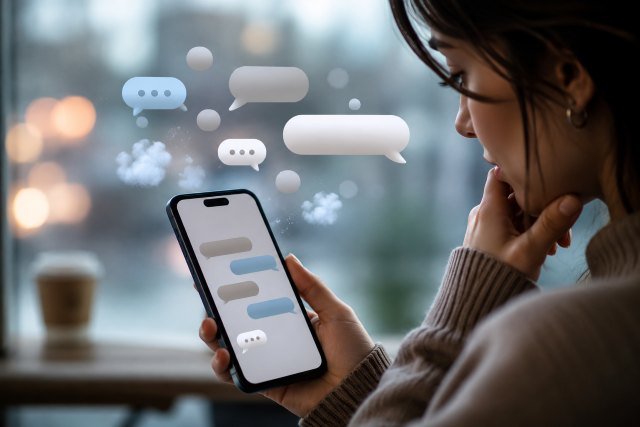
The Texting Mhm Definition is simple: “mhm” is a casual texting response that usually means “yes,” “I agree,” “I’m listening,” or “go on.” It is the written version of the sound people make in real conversation when they nod, acknowledge something, or confirm that they understand.
- What Does Mhm Mean in Texting?
- Texting Mhm Definition in Simple Words
- Is Mhm the Same as Yes?
- Why Do People Use Mhm in Text Messages?
- Different Meanings of Mhm Based on Context
- Is Mhm Rude?
- Is Mhm Flirty?
- Mhm vs Hmm: What Is the Difference?
- Mhm vs Yeah: Which One Should You Use?
- Mhm vs Mm-Hmm: Are They the Same?
- How to Reply to Mhm
- When You Should Avoid Using Mhm
- Real-World Examples of Mhm in Texting
- What Does Mhm Mean From a Girl?
- What Does Mhm Mean From a Guy?
- Is Mhm Passive-Aggressive?
- How to Use Mhm Without Sounding Rude
- FAQs About Mhm in Texting
- Conclusion
At first, “mhm” looks like a small word with almost no meaning. But in texting, small replies can carry a lot of tone. Depending on the context, “mhm” can sound warm, bored, sarcastic, shy, annoyed, or simply neutral. That is why many people search for what “mhm” really means before replying.
In everyday messaging, “mhm” is similar to “mm-hmm.” Merriam-Webster defines “mm-hmm” as an interjection used to show agreement, satisfaction, or encouragement for someone to keep speaking. This makes “mhm” less like a formal word and more like a natural sound turned into text.
What Does Mhm Mean in Texting?
In texting, “mhm” most often means “yes” or “I agree.” It is a casual way to confirm something without writing a full sentence.
For example, if someone asks, “Are you coming later?” and you reply “mhm,” you are usually saying, “Yes, I am.” If someone says, “That movie was actually good,” and you reply “mhm,” you may be saying, “I agree.”
The meaning can change based on the conversation. “Mhm” can also mean “I hear you,” “I understand,” or “keep talking.” This is why it often appears in emotional conversations, casual chats, dating messages, and quick replies between friends.
From a grammar point of view, “mhm” works like an interjection. An interjection is a word or phrase that stands apart from the main sentence and expresses feeling, reaction, or acknowledgment rather than a detailed idea. Merriam-Webster explains that interjections are often grammatically independent and mainly express feeling.
Texting Mhm Definition in Simple Words
The easiest Texting Mhm Definition is this: “mhm” means “yes,” but in a softer, more casual, and sometimes emotional way.
It is not as direct as “yes.” It is not as excited as “yeah!” It is not as formal as “correct.” It sits somewhere in the middle.
When someone texts “mhm,” they may be agreeing without adding energy. They may be listening without interrupting. They may be answering quickly because they do not feel like typing more. Or they may be using it to create a relaxed, natural tone.
That is what makes “mhm” interesting. The word is short, but the tone depends heavily on the situation.
Is Mhm the Same as Yes?
“Mhm” can mean “yes,” but it is not always the same as a clear yes.
A direct “yes” feels more certain. “Mhm” feels more casual and conversational. In some situations, this makes it sound friendly. In others, it can feel vague.
For example, imagine someone texts, “Did you finish the work?” A reply like “yes” sounds clear and responsible. A reply like “mhm” may sound too casual, especially in a professional setting.
But if a friend asks, “You liked the song, right?” then “mhm” sounds natural. It gives the same basic answer while keeping the tone relaxed.
So, “mhm” often means yes, but it also carries mood. That mood can be approval, patience, boredom, hesitation, or mild attitude.
Why Do People Use Mhm in Text Messages?
People use “mhm” because texting often tries to copy real conversation. In face-to-face communication, people do not always say full words. They nod, smile, hum, or make small sounds to show that they are listening.
Texting removes body language and vocal tone, so people use short expressions like “mhm,” “hmm,” “yeah,” “lol,” and “oh” to replace those missing signals.
Digital communication has become a major part of everyday life. Pew Research Center has reported for years that texting is one of the most common ways young people communicate, especially with friends. Because texting is so common, small expressions like “mhm” have become part of normal online language.
People also use “mhm” because it saves time. Instead of writing “Yes, I understand what you mean,” they can write “mhm.” The reply feels quick, natural, and low-effort.
Different Meanings of Mhm Based on Context
“Mhm” does not have only one emotional meaning. The same three letters can feel different depending on who sends them, when they send them, and what happened before.
If someone replies “mhm” after a sweet message, it may sound affectionate or shy. For example, “You looked really nice today” followed by “mhm” could mean the person is accepting the compliment in a soft, playful way.
If someone replies “mhm” during an argument, it may sound passive-aggressive. For example, if one person writes, “You never listen to me,” and the other replies “mhm,” it may feel dismissive.
If someone sends “mhm” while you are telling a story, it may mean they are listening and want you to continue. This is close to the dictionary meaning of “mm-hmm” as encouragement to keep speaking.
If someone replies “mhm” after a question, it usually means yes. But if the question is serious, the short reply may feel unclear.
Is Mhm Rude?
“Mhm” is not automatically rude. It depends on tone, timing, and relationship.
Between close friends, “mhm” is usually fine. It may sound relaxed, familiar, or even caring. In a romantic conversation, it can sound soft and intimate. In a casual group chat, it can simply mean agreement.
However, “mhm” can feel rude when the other person expects a thoughtful answer. If someone writes a long emotional message and receives only “mhm,” they may feel ignored. If a boss, teacher, or client asks for confirmation, “mhm” may seem unprofessional.
The problem is not the word itself. The problem is that short replies can be easy to misread. Without voice tone, facial expression, or body language, a small word can feel colder than intended.
Is Mhm Flirty?
“Mhm” can be flirty, but it is not always flirty.
In dating chats, “mhm” often sounds playful when it appears after a compliment, teasing comment, or romantic question. For example, if someone says, “So you missed me?” and the other person replies, “mhm,” it can feel shy, cute, or teasing.
It can also sound flirty when paired with emojis, extra letters, or warm context. A reply like “mhm” feels very different from a plain “mhm.”
But on its own, “mhm” is not proof that someone is flirting. It may simply mean they agree. To understand the meaning, look at the full conversation, not just the word.
Mhm vs Hmm: What Is the Difference?
“Mhm” and “hmm” look similar, but they usually mean different things.
“Mhm” usually shows agreement, acknowledgment, or confirmation. It often means yes.
“Hmm” usually shows thinking, hesitation, doubt, or uncertainty. Merriam-Webster defines “hmm” as an interjection used to express thinking or to show that someone is waiting for an answer.
For example, “Mhm, I understand” sounds like agreement. “Hmm, I’m not sure” sounds like the person is thinking.
This small spelling difference matters. If you want to say yes, “mhm” is usually better. If you want to show that you are considering something, “hmm” is more accurate.
Mhm vs Yeah: Which One Should You Use?
“Mhm” and “yeah” can both mean yes, but they feel different.
“Yeah” is clearer and more direct. It is casual, but most people understand it immediately. “Mhm” is softer and more conversational. It may feel more relaxed, but it can also seem less enthusiastic.
For example, if someone asks, “Do you want pizza?” replying “yeah” sounds clear. Replying “mhm” sounds more laid-back. If someone asks, “Are you sure?” then “yeah” may feel stronger than “mhm.”
Use “yeah” when you want to be clear. Use “mhm” when the conversation is casual and the meaning is obvious.
Mhm vs Mm-Hmm: Are They the Same?
“Mhm” is basically a shortened texting version of “mm-hmm.”
“Mm-hmm” is the more dictionary-style spelling. “Mhm” is the informal texting version. Both are used to show agreement, acknowledgment, or encouragement.
In formal writing, “mm-hmm” is more recognizable. In casual texting, “mhm” is more common because it is faster and simpler.
So if you are writing an article, dialogue, or transcript, “mm-hmm” may look more polished. If you are texting a friend, “mhm” feels natural.
How to Reply to Mhm
The best way to reply to “mhm” depends on what you want from the conversation.
If the person is simply agreeing, you can continue the conversation naturally. For example, if you said, “I think we should leave at 6,” and they replied “mhm,” you might say, “Great, I’ll be ready by then.”
If the reply feels unclear, ask a gentle follow-up. You could say, “So is that a yes?” or “Just checking, are you okay with it?”
If the reply feels cold, avoid assuming the worst right away. Tone is easy to misread in text. A simple message like “You seem quiet, everything okay?” can prevent misunderstanding.
If the conversation is professional, it is better to ask for clear confirmation. For example, “Please confirm with yes so I can proceed” is more effective than guessing what “mhm” means.
When You Should Avoid Using Mhm
“Mhm” is fine in casual texting, but it is not ideal everywhere.
Avoid using it in formal emails, workplace approvals, business conversations, legal discussions, or situations where a clear answer matters. In those cases, use words like “yes,” “confirmed,” “I agree,” or “approved.”
Clear communication is especially important in professional settings. Microsoft’s communication guidance emphasizes that effective communication should have a clear purpose and use consistent tone, voice, and content. A reply like “mhm” may be too casual when clarity is required.
You should also avoid “mhm” when someone shares something emotional. If a friend opens up about a serious problem, a short “mhm” may make them feel dismissed. A better reply would be, “I understand,” “That sounds really hard,” or “I’m listening.”
Real-World Examples of Mhm in Texting
Here are some natural examples of how “mhm” works in different conversations.
A friend asks, “You still coming tonight?” The reply “mhm” means yes.
Someone says, “That test was harder than I expected.” The reply “mhm” means agreement.
A person sends a long story, and the other replies, “mhm, then what happened?” Here, “mhm” means they are listening.
In a tense conversation, someone says, “You forgot again,” and the reply is “mhm.” Here, it may sound annoyed or passive-aggressive.
In a romantic chat, someone says, “You like talking to me, don’t you?” The reply “mhm” may sound playful or flirty.
These examples show why context matters more than the word alone.
What Does Mhm Mean From a Girl?
When a girl texts “mhm,” it usually means the same thing it means from anyone else: yes, agreement, or acknowledgment.
But people often search this because they are trying to read emotion or interest. The truth is, “mhm” from a girl can be friendly, neutral, flirty, bored, or annoyed depending on the conversation.
If she sends “mhm” quickly after a normal question, she probably means yes. If she sends it with emojis, jokes, or playful energy, it may be flirty. If she sends only “mhm” after a serious message, she may be upset, distracted, or not interested in continuing.
Do not judge the meaning from one word. Look at response speed, previous messages, emojis, and whether she keeps the conversation going.
What Does Mhm Mean From a Guy?
When a guy texts “mhm,” it also usually means yes or agreement.
Some people use “mhm” because they are relaxed texters. Others use it when they do not know what else to say. In dating, it can sometimes be playful, especially if the conversation already has a teasing tone.
If a guy replies “mhm” but keeps asking questions, he is probably still interested in the conversation. If he replies “mhm” and stops engaging, he may be bored, busy, or not sure how to respond.
Again, the meaning depends on behavior, not just the word.
Is Mhm Passive-Aggressive?
“Mhm” can be passive-aggressive, but only in certain situations.
It may feel passive-aggressive when someone uses it after criticism, during an argument, or in response to a message that deserves more explanation. For example, if someone says, “I guess you don’t care,” and the reply is “mhm,” it can feel dismissive.
But many people use “mhm” without any negative meaning. They may simply be saying yes in a quick way.
The safest approach is to read the emotional temperature of the conversation. If things already feel tense, “mhm” may not be the best reply. If the conversation is relaxed, it is usually harmless.
How to Use Mhm Without Sounding Rude
To use “mhm” in a friendly way, add a little context when needed.
Instead of replying only “mhm” to an important message, write “mhm, I get what you mean.” Instead of replying only “mhm” when someone asks for a plan, write “mhm, that works for me.”
Small additions make the reply warmer and clearer. Emojis can also soften the tone in casual conversations, but they should not replace clarity in serious topics.
A good rule is simple: use “mhm” alone only when the meaning is obvious. Add more words when the other person may need reassurance or a clear answer.
FAQs About Mhm in Texting
What does mhm mean in chat?
“Mhm” usually means yes, agreement, or acknowledgment. It can also mean “I’m listening” when someone is telling a story.
Is mhm a real word?
“Mhm” is informal texting language. The more standard written form is “mm-hmm,” which is recognized as an interjection meaning agreement, satisfaction, or encouragement to continue speaking.
Is mhm rude in texting?
“Mhm” is not always rude. It can sound rude if the conversation is serious, emotional, or tense. In casual chats, it usually sounds normal.
Does mhm mean yes?
Yes, most of the time “mhm” means yes. However, it can also mean “I understand” or “keep going,” depending on the context.
What is the difference between mhm and hmm?
“Mhm” usually means agreement or yes. “Hmm” usually means thinking, hesitation, or uncertainty.
Conclusion
The Texting Mhm Definition is easy to understand but important to read carefully. In most cases, “mhm” means yes, agreement, or acknowledgment. It is the texting version of the spoken sound “mm-hmm,” often used when someone is listening, confirming, or encouraging a person to continue.
Still, “mhm” is not always emotionally neutral. It can sound friendly, flirty, bored, rude, or passive-aggressive depending on the situation. That is why context matters so much in texting.
Use “mhm” in casual conversations when the meaning is clear. Avoid it in professional messages, serious discussions, or moments where the other person needs a thoughtful response. When in doubt, write a clearer reply. A few extra words can prevent confusion and make your message sound much warmer.