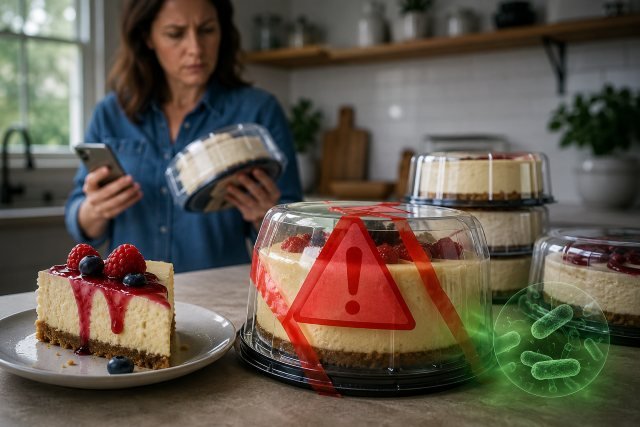
The King Cheesecake Recall has raised serious food safety concerns for shoppers who may have purchased certain cake and cheesecake products made with potentially contaminated pecans. According to recall reporting based on the FDA Enforcement Reports page, King Cheesecake Company of Houston, Texas recalled several dessert products because pecans used in the cakes could be contaminated with Salmonella. The recall involved products sold at the retail level in Alabama, Texas, Florida, Louisiana, Oklahoma, and Illinois.
- What Is the King Cheesecake Recall?
- Why Were King Cheesecake Products Recalled?
- King Cheesecake Recall Affected Products
- What Is Salmonella and Why Is It Dangerous?
- Can You Tell If Cheesecake Has Salmonella?
- What Should You Do If You Have a Recalled Product?
- What If You Already Ate the Cake?
- Should You Keep the Packaging?
- How to Clean Your Kitchen After Handling a Recalled Dessert
- Why a Recall Can Happen Even Before Illnesses Are Confirmed
- How Consumers Can Verify Food Recalls
- Frequently Asked Questions About the King Cheesecake Recall
- Conclusion: King Cheesecake Recall Safety Steps
Food recalls can feel confusing, especially when the product looks normal, smells fine, and may already be sitting in a refrigerator or freezer. But Salmonella is not something consumers can see, smell, or taste. That is why the safest response is simple: check the product, do not eat any affected item, and follow the recall guidance carefully.
What Is the King Cheesecake Recall?
The King Cheesecake Recall refers to a voluntary recall involving several King Cheesecake Company cake and cheesecake products because of possible Salmonella contamination linked to pecans used as an ingredient. Newsweek reported that King Cheesecake Company, Inc. issued the voluntary recall on July 18, 2025, and the FDA later classified it as a Class I recall on August 7, 2025.
A Class I recall is the FDA’s most serious recall category. The FDA defines a Class I recall as a situation where there is a reasonable probability that use of or exposure to a violative product will cause serious adverse health consequences or death.
That does not mean every person who ate the product will become sick. It means the risk is serious enough that consumers should act quickly and avoid consuming the affected products.
Why Were King Cheesecake Products Recalled?
The main concern behind the King Cheesecake Recall was the possibility that pecans used in the recalled cakes may have been contaminated with Salmonella. Pecans are commonly used in layered cakes, carrot cakes, hummingbird cakes, and specialty dessert recipes, so one contaminated ingredient can affect several finished products.
This is a common challenge in food manufacturing. A bakery may prepare multiple products using ingredients from the same supplier. If one ingredient later becomes linked to contamination risk, every finished product containing that ingredient may need to be checked, removed, or recalled.
In this case, the recall was not limited to one cheesecake flavor. It covered several cake and cheesecake products manufactured within a specific production window.
King Cheesecake Recall Affected Products
The recalled products included Italian Layer Cake, Carrot Layer Cake, Tres Leches Cheesecake, Hummingbird Layer Cake, Chocolate Tres Leches Cheesecake, and Assorted Layer Cake. Food Poisoning Bulletin reported that the affected products were manufactured from June 20, 2025, to July 14, 2025. The same report listed item numbers as Italian Layer Cake item 1071, Carrot Layer Cake item 1312, Tres Leches Cheesecake item 99272, Hummingbird Layer Cake item 3145, Chocolate Tres Leches Cheesecake item 99273, and Assorted Layer Cake item 2485.
The affected products were reportedly sold at the retail level in Alabama, Texas, Florida, Louisiana, Oklahoma, and Illinois. Consumers in those states should be especially careful if they bought King Cheesecake desserts around the recall period.
Even if you do not live in one of those states, it is still wise to check your product if you bought it through a distributor, local store, bakery, or food-service source. Food items can move through supply chains in ways that are not always obvious to the final customer.
What Is Salmonella and Why Is It Dangerous?
Salmonella is a bacteria that can cause an illness called salmonellosis. The FDA says most people with salmonellosis develop diarrhea, fever, and abdominal cramps. Severe cases may include high fever, aches, headache, lethargy, rash, blood in urine or stool, and in rare cases, death.
The CDC says symptoms of Salmonella infection can include diarrhea, fever, stomach cramps, nausea, vomiting, and headache. Symptoms can begin anywhere from 6 hours to 6 days after swallowing the bacteria.
For many healthy adults, Salmonella illness improves with rest and fluids. But the risk becomes much higher for young children, older adults, pregnant people, and anyone with a weakened immune system. These groups are more likely to experience dehydration or a serious infection that may require medical attention.
Can You Tell If Cheesecake Has Salmonella?
No. You cannot reliably tell whether a cake or cheesecake has Salmonella by looking at it, smelling it, or tasting a small amount. A recalled product may look fresh and completely normal.
That is why recall notices focus on product names, item numbers, manufacturing dates, distribution states, and package details. If your product matches the recall information, treat it as unsafe even if it appears fine.
This is especially important with ready-to-eat desserts. Unlike raw meat or eggs, a finished cake is not usually cooked again by the consumer before eating. If contamination is present, there may be no later “kill step” at home.
What Should You Do If You Have a Recalled Product?
If you have a product that matches the King Cheesecake Recall, do not eat it. Do not taste it to “check” whether it seems safe. The safest option is to discard it securely or return it to the place of purchase for a refund if the retailer allows returns.
Food Poisoning Bulletin advises consumers not to eat the recalled cakes and says they can throw them away after double-bagging them so others cannot access them, or return them to the store for a full refund.
After handling the product, wash your hands with soap and water. Clean any plates, knives, containers, refrigerator shelves, countertops, or surfaces that may have touched the cake. This helps reduce the risk of cross-contamination.
What If You Already Ate the Cake?
If you already ate one of the recalled products, do not panic. Monitor your health for Salmonella symptoms, especially diarrhea, fever, stomach cramps, vomiting, or signs of dehydration. Symptoms may appear within hours, but they can also take several days to develop.
The CDC recommends calling a doctor if diarrhea or vomiting lasts more than two days, if there is bloody stool or urine, if fever is higher than 102°F, or if signs of dehydration appear.
Signs of dehydration can include dizziness when standing, dry mouth, very little urination, or inability to keep liquids down. Children, seniors, pregnant people, and people with immune system problems should be more cautious and seek medical advice sooner.
Should You Keep the Packaging?
Yes, keeping the packaging or taking a photo of it can help. The label may show the product name, item number, date, store information, or other details needed for a refund or report.
If you throw the cake away, take a clear photo of the label first if possible. This can help the retailer verify the product without requiring you to bring potentially unsafe food back into the store.
If someone in your household becomes sick after eating the product, the packaging information may also help a healthcare provider, local health department, or store identify the product more accurately.
How to Clean Your Kitchen After Handling a Recalled Dessert
Start by removing the recalled cake from your refrigerator or freezer. Place it in a sealed bag before throwing it away. If liquid, crumbs, icing, or packaging touched shelves or containers, clean those areas with hot, soapy water.
Wash reusable containers, knives, plates, and serving utensils thoroughly. Wipe countertops, refrigerator handles, and drawer pulls if you touched them while handling the recalled food.
Finally, wash your hands for at least 20 seconds with soap and water. Good cleaning matters because Salmonella can spread from contaminated food to hands, surfaces, utensils, and other ready-to-eat foods.
Why a Recall Can Happen Even Before Illnesses Are Confirmed
A recall does not always mean confirmed illnesses have already occurred. Sometimes a recall happens because testing, supplier alerts, or ingredient tracing shows that a product may be unsafe.
Food Poisoning Bulletin noted that because this recall appeared through the FDA Enforcement Reports page rather than the regular recall page, the notice did not mention whether any illnesses had been reported to the company.
This type of precautionary action is still important. Removing a potentially contaminated product early can prevent illnesses before they spread.
How Consumers Can Verify Food Recalls
The best place to verify FDA-regulated recalls is the FDA’s official recalls and safety alerts page. The FDA explains that its recall page includes information gathered from press releases and public notices, though not all recalls have press releases or appear on that page.
For external reference, readers can check the official FDA Recalls, Market Withdrawals & Safety Alerts page and the CDC’s Salmonella symptoms page.
For internal links, you can add links to your related articles such as “Food Safety Tips at Home,” “How to Check Product Recalls,” and “What to Do After Food Poisoning Symptoms.”
Frequently Asked Questions About the King Cheesecake Recall
What products were included in the King Cheesecake Recall?
The recall included Italian Layer Cake, Carrot Layer Cake, Tres Leches Cheesecake, Hummingbird Layer Cake, Chocolate Tres Leches Cheesecake, and Assorted Layer Cake. The affected products were reportedly manufactured from June 20, 2025, to July 14, 2025.
Which states were affected?
The products were reported as sold at the retail level in Alabama, Texas, Florida, Louisiana, Oklahoma, and Illinois.
What caused the recall?
The recall was linked to pecans used in the cakes that may have been contaminated with Salmonella.
Is Salmonella always serious?
Not always, but it can be. Many people recover within several days, but severe illness can happen, especially in young children, older adults, pregnant people, and people with weakened immune systems. The CDC advises contacting a doctor for severe symptoms such as bloody diarrhea, high fever, prolonged vomiting or diarrhea, and dehydration signs.
Can I eat the cake if I heat it first?
No. If a product is recalled for possible Salmonella contamination, the safest action is not to eat it. Reheating a dessert at home may not heat every part evenly or reliably enough to remove risk.
Conclusion: King Cheesecake Recall Safety Steps
The King Cheesecake Recall is a serious reminder that even familiar desserts can become unsafe when one ingredient is linked to contamination. The affected products included several cakes and cheesecakes made with pecans that may have carried Salmonella risk. Consumers should check product names, item numbers, manufacturing dates, and where the product was purchased.
If you have a recalled King Cheesecake product, do not eat it. Dispose of it securely or return it for a refund, clean any surfaces it touched, and monitor for symptoms if it was already consumed. For the most accurate updates, check official FDA recall resources and follow CDC guidance on Salmonella symptoms and when to seek medical care.