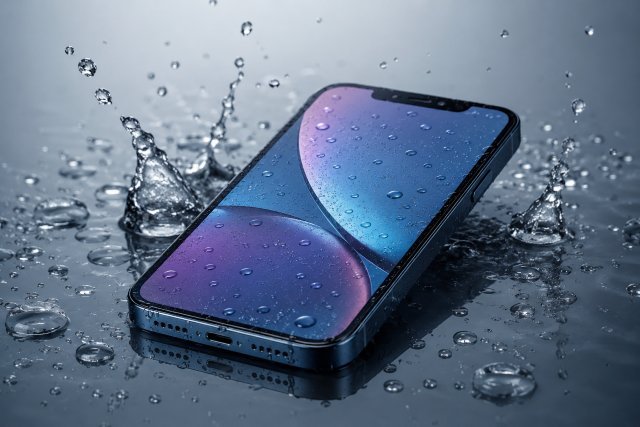
The phrase Iphone 14 Waterproof is searched by many buyers who want a simple answer before spending money on Apple’s popular smartphone. The iPhone 14 looks premium, feels well-sealed, and comes with an impressive IP68 rating, so it is easy to assume it can survive almost anything involving water.
- Iphone 14 Waterproof: What Does Apple Actually Claim?
- Is the iPhone 14 Waterproof or Water-Resistant?
- What Does IP68 Mean on the iPhone 14?
- Can iPhone 14 Survive Rain?
- Can You Take iPhone 14 in the Shower?
- Can iPhone 14 Go in a Swimming Pool?
- Is iPhone 14 Safe at the Beach?
- What Happens If iPhone 14 Gets Wet?
- Does Apple Warranty Cover Water Damage on iPhone 14?
- Why Water Resistance Gets Weaker Over Time
- Common Situations: Is the iPhone 14 Safe?
- Can You Record Underwater Videos with iPhone 14?
- What Should You Avoid With iPhone 14 Around Water?
- How to Protect Your iPhone 14 from Water Damage
- Real-World Example: The Pool Drop
- FAQs About Iphone 14 Waterproof
- Conclusion
But the truth is more careful than that.
The iPhone 14 is not truly waterproof. It is water-resistant. That means it can handle certain levels of accidental exposure, such as splashes, spills, or brief submersion under controlled conditions. However, water resistance is not the same as permanent protection from liquid damage.
This article explains what the iPhone 14’s IP68 rating really means, whether it is safe in rain, pools, bathrooms, beaches, and everyday spills, and what you should do if your iPhone 14 gets wet.
Iphone 14 Waterproof: What Does Apple Actually Claim?
Apple does not market the iPhone 14 as fully waterproof. Instead, Apple describes it as splash, water, and dust resistant. According to Apple’s technical specifications, the iPhone 14 has an IP68 rating under IEC standard 60529, with a maximum depth of 6 meters for up to 30 minutes under controlled laboratory conditions.
That sounds strong, and compared with many older smartphones, it is.
Still, “controlled laboratory conditions” is the key phrase. A lab test uses fresh water, specific pressure, stable temperature, and a new device in ideal condition. Real life is different. Your phone may be older, dropped, scratched, repaired, exposed to heat, or used in water with soap, chlorine, salt, pressure, or movement.
That is why the safer answer is this: the iPhone 14 can resist water, but it should not be treated like an underwater camera or a fully waterproof device.
Is the iPhone 14 Waterproof or Water-Resistant?
The iPhone 14 is water-resistant, not waterproof.
Waterproof means a device is completely protected from water in nearly all normal situations. Water-resistant means the device can resist water to a certain level, for a certain time, under certain conditions.
The difference matters because many users damage their phones by trusting the word “waterproof” too much. They take the phone swimming, record videos underwater, use it in the shower, rinse it under a tap, or place it near steam. These situations can expose the device to water pressure, chemicals, minerals, heat, and moisture in ways the IP rating does not fully protect against.
A new iPhone 14 may survive an accidental drop in clean water. But that does not mean it is safe to intentionally use it underwater again and again.
What Does IP68 Mean on the iPhone 14?
The IP rating is an international standard used to describe protection against dust and water.
In IP68, the “6” means the device is dust-tight. This is the highest dust-resistance rating in the IP system. It means dust should not enter the phone in a way that affects normal operation.
The “8” means the device can survive immersion in water beyond 1 meter, based on the manufacturer’s stated conditions. For the iPhone 14, Apple states up to 6 meters for up to 30 minutes.
This does not mean your iPhone 14 is safe in every 6-meter water situation. A still container of clean water is very different from ocean waves, a swimming pool, a shower, or a fast-moving stream. Water pressure can change quickly when the phone moves, when water hits it from a showerhead, or when it is dropped with force.
So, IP68 is a strong protection rating, but it is not a guarantee against all water damage.
Can iPhone 14 Survive Rain?
Yes, the iPhone 14 should usually handle normal rain without a problem, especially if exposure is brief. If you answer a call in light rain, check maps, or use the camera for a quick photo, the phone is likely within the kind of accidental exposure it was designed to resist.
However, heavy rain is different. Long exposure, strong wind, water entering around the speakers, or liquid collecting around the charging port can increase risk. If your iPhone 14 gets wet in the rain, wipe it with a soft, lint-free cloth and let it dry before charging.
Rainwater can also carry dirt, minerals, and pollutants. So even if the phone seems fine immediately, it is still smart to dry it properly and avoid plugging in a cable too soon.
Can You Take iPhone 14 in the Shower?
You should not take your iPhone 14 into the shower.
This is one of the most common mistakes people make. They think water resistance means the phone is safe in the bathroom. But a shower is not just plain water. It includes steam, heat, soap, shampoo, pressure from the showerhead, and high humidity.
Steam can enter small openings more easily than normal water droplets. Soap and shampoo can weaken protective seals or leave residue inside speaker grills and ports. Hot water can also affect adhesives and seals over time.
Even if your iPhone 14 survives the shower once, repeated exposure can reduce its water resistance. It is better to keep the phone outside the bathroom or use a waterproof case if you really need it nearby.
Can iPhone 14 Go in a Swimming Pool?
The iPhone 14 may survive a quick accidental drop in a pool, but you should not intentionally swim with it.
Pool water contains chlorine and other chemicals. These chemicals can affect rubber seals, metal parts, speakers, microphones, and the charging port. The pressure also changes when you move underwater, jump into the pool, or record while swimming.
Another problem is user behavior. People often press buttons underwater, move the phone quickly, or keep it submerged longer than they realize. These actions can increase the chance of water entering the device.
If your iPhone 14 falls into a pool, remove it quickly, rinse only if needed according to safe cleaning guidance, wipe it dry, and let it air-dry before charging. Do not shake it aggressively or use heat.
Is iPhone 14 Safe at the Beach?
The beach is risky for any smartphone, including the iPhone 14.
Salt water is more dangerous than fresh water because salt can cause corrosion. Sand can scratch the screen, damage ports, and get stuck in speaker grills. Heat from direct sunlight can also affect the phone’s battery and internal components.
Even a small splash from ocean water can leave salt behind after drying. That salt can continue damaging metal contacts and internal parts over time. This is why many phones seem fine after beach exposure but develop charging, speaker, or display problems later.
If you are going to the beach, keep your iPhone 14 in a sealed waterproof pouch. Avoid placing it directly on sand, and do not use it in ocean water unless it is protected by a properly rated waterproof case.
What Happens If iPhone 14 Gets Wet?
If your iPhone 14 gets wet, the most important thing is to avoid panic and avoid charging it too soon.
First, remove it from the water immediately. Turn off any accessories connected to it. Wipe the phone with a soft, dry, lint-free cloth. Hold it with the charging port facing downward and gently tap it to help remove excess liquid.
Then place it in a dry area with good airflow. Do not use a hair dryer, heater, oven, or direct sunlight. Heat can damage the phone and may push moisture deeper inside.
You should also avoid inserting cotton swabs, tissue, or sharp objects into the charging port. These can leave fibers, damage pins, or push liquid further inside.
If your iPhone shows a liquid detection alert, do not ignore it. That alert exists because charging while moisture is present can corrode the connector and cause permanent damage.
Does Apple Warranty Cover Water Damage on iPhone 14?
This is where many users get surprised.
Even though the iPhone 14 has an IP68 rating, Apple states that liquid damage is not covered under the standard warranty. This means if your phone stops working because of water damage, you may have to pay for repair or replacement unless you have additional coverage or consumer law protections apply in your country.
Apple devices also include Liquid Contact Indicators, often called LCIs. These indicators can help technicians check whether the device has been exposed to liquid. When they contact water or a liquid containing water, they can turn red.
This is one reason you should never assume that water resistance equals free repair. The phone may be designed to resist water, but that does not mean Apple guarantees it against every water-related accident.
Why Water Resistance Gets Weaker Over Time
The iPhone 14 may be highly water-resistant when new, but that resistance can decrease with normal use.
Everyday wear affects seals and adhesives. Dropping the phone, bending pressure, heat exposure, repairs, cracked glass, damaged camera rings, or even repeated liquid exposure can weaken protection. A phone that survived water last year may not survive the same exposure today.
This is especially important if you bought a used or refurbished iPhone 14. You may not know whether it was dropped, opened, repaired, or exposed to moisture before. Even if it looks perfect outside, the internal seals may not be as strong as they were when the phone was new.
For this reason, older devices should be treated with extra caution around water.
Common Situations: Is the iPhone 14 Safe?
The iPhone 14 is generally safe from light splashes, accidental spills, and short exposure to rain. If you spill water, tea, coffee, or juice on it and clean it quickly, the phone may be fine.
But it is not safe to treat it casually around pools, oceans, showers, saunas, steam rooms, hot tubs, or pressurized water. These environments create higher risk because they involve chemicals, heat, pressure, salt, or humidity.
A good rule is simple: accidental water exposure is one thing; intentional water use is another. The iPhone 14 is built to protect you from accidents, not to invite water-based usage.
Can You Record Underwater Videos with iPhone 14?
Technically, many people have recorded underwater videos with iPhones. But that does not make it a safe idea.
The iPhone 14’s IP68 rating may help it survive brief immersion, but underwater recording adds movement, pressure changes, and longer exposure. Touchscreens also become harder to control underwater, and pressing buttons can increase risk.
If you want underwater photos or videos, use a waterproof case designed for underwater use. Better yet, use an action camera or waterproof camera made specifically for that purpose.
The iPhone 14 camera is excellent, but the phone itself is still not a dedicated underwater device.
What Should You Avoid With iPhone 14 Around Water?
You should avoid swimming with the iPhone 14, bathing with it, using it in the shower, exposing it to high-pressure water, taking it into a sauna or steam room, intentionally submerging it, or charging it while wet.
You should also avoid using soaps, detergents, alcohol, cleaning sprays, or compressed air around the phone’s openings. These can damage coatings, seals, speakers, microphones, and charging components.
If your phone has a cracked screen or back glass, avoid water completely. Even a tiny crack can give liquid an easier path into the device.
How to Protect Your iPhone 14 from Water Damage
The best protection is prevention.
Use a waterproof pouch when traveling, visiting the beach, boating, fishing, or hiking in wet weather. Choose a case with a proper waterproof rating if you plan to use the phone near water often.
Keep the charging port dry. If your phone gets wet, wait before charging. Wireless charging may seem safer, but you should still dry the device first because trapped moisture and heat can create problems.
Avoid exposing the phone to extreme temperatures. Heat can weaken seals, and sudden temperature changes can cause condensation.
If you use your phone for work, travel, or content creation, consider AppleCare+ or another protection plan that includes accidental damage coverage. It may not make water damage free, but it can reduce repair costs depending on your coverage terms and location.
Real-World Example: The Pool Drop
Imagine someone drops an iPhone 14 into a pool for five seconds. They pick it up quickly, wipe it dry, and the phone works normally. In this case, the water resistance likely did its job.
Now imagine another person takes the same model into the pool every weekend to record videos. The phone is exposed to chlorine, movement, pressure, and repeated moisture. After a few months, the speaker sounds muffled, the charging port acts strangely, or the screen starts flickering.
Both people used an iPhone 14 near water, but the risk level was completely different.
This is why water resistance should be seen as emergency protection, not a lifestyle feature.
FAQs About Iphone 14 Waterproof
Is the iPhone 14 fully waterproof?
No, the iPhone 14 is not fully waterproof. It is water-resistant with an IP68 rating. This means it can resist water under certain tested conditions, but it is not guaranteed to survive every water situation.
Can I take my iPhone 14 in the pool?
You should not intentionally take your iPhone 14 into a pool. Chlorine, pressure, and repeated exposure can damage seals and internal parts. Use a waterproof case if you need to use it near pool water.
Can I shower with my iPhone 14?
No, showering with an iPhone 14 is not recommended. Steam, soap, heat, and pressurized water can increase the risk of damage, even if the phone has an IP68 rating.
What should I do if my iPhone 14 gets wet?
Remove it from water quickly, wipe it with a soft dry cloth, keep the charging port facing downward, and let it dry in a well-ventilated area. Do not charge it while wet, and do not use heat to dry it.
Does Apple repair water-damaged iPhone 14 for free?
Usually, liquid damage is not covered under Apple’s standard warranty. Repair costs depend on your coverage, location, consumer law rights, and whether you have additional protection such as AppleCare+.
Conclusion
So, is Iphone 14 Waterproof? The honest answer is no. The iPhone 14 is water-resistant, not waterproof. Its IP68 rating is impressive and helpful for accidental splashes, spills, rain, and brief exposure to clean water, but it does not make the phone safe for swimming, showering, beach use, or underwater filming.
The smartest way to treat the iPhone 14 is to trust its water resistance as backup protection, not permission to expose it to water on purpose. Keep it dry when possible, avoid charging it while wet, use a waterproof case around pools or beaches, and remember that liquid damage can still be expensive.
The iPhone 14 is built well, but water is still one of the fastest ways to turn a premium smartphone into a costly repair.