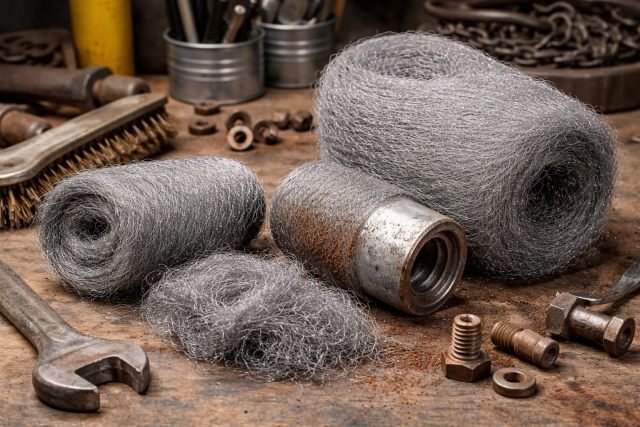
Wire wool is one of the most versatile and widely used materials for rust removal, surface cleaning, and finishing work. From restoring corroded metal tools to achieving a smooth, professional wood finish, wire wool has earned its place in workshops, factories, and homes alike. Its unique structure allows it to clean and polish surfaces effectively without the aggressive damage caused by heavier abrasives.
- What Is Wire Wool?
- Why Wire Wool Is Highly Effective for Rust Removal
- Understanding Wire Wool Grades and Their Uses
- How to Remove Rust Using Wire Wool
- Using Wire Wool for Cleaning Applications
- Wire Wool in Woodworking and Finishing
- Wire Wool vs Sandpaper: Which Is Better?
- Safety Considerations When Using Wire Wool
- Environmental and Modern Alternatives
- Common Mistakes to Avoid
- Frequently Asked Questions About Wire Wool
- Conclusion: Why Wire Wool Is Still an Essential Tool
This detailed, SEO-optimized guide explains how wire wool works, which grades to choose, and how to use it safely and effectively for rust removal, cleaning, and finishing applications.
What Is Wire Wool?
Wire wool, commonly known as steel wool, is manufactured from fine strands of steel that are compressed into pads or rolls. These thin metal fibers create a flexible abrasive material capable of reaching uneven surfaces, corners, and detailed areas where rigid tools fail.
Unlike sandpaper, wire wool adapts to the surface it is used on. This makes it ideal for tasks requiring precision, controlled abrasion, and minimal surface damage.
Why Wire Wool Is Highly Effective for Rust Removal
Rust occurs when iron reacts with oxygen and moisture, forming iron oxide that weakens metal over time. Wire wool removes rust through mechanical abrasion, gently scraping away oxidation while preserving the integrity of the base metal.
Materials research published by ASM International (American Society for Metals) confirms that controlled abrasion is one of the most effective methods for removing light to moderate corrosion without compromising metal thickness. Wire wool excels in this role because it balances effectiveness with precision.
Understanding Wire Wool Grades and Their Uses
Wire wool is available in multiple grades, ranging from very coarse to ultra-fine. Selecting the correct grade is essential for achieving the desired result without damaging the surface.
| Grade | Common Use |
|---|---|
| Grade 4 | Heavy rust and paint removal |
| Grade 3 | Thick corrosion and rough metal |
| Grade 2 | General rust removal |
| Grade 1 | Light rust and cleaning |
| Grade 0 | Polishing metal |
| Grade 00 | Wood finishing preparation |
| Grade 000 | Final surface polishing |
| Grade 0000 | Ultra-fine finishing and glass cleaning |
Professionals recommend starting with a finer grade and increasing abrasiveness only if necessary. This approach minimizes surface damage and improves overall results.
How to Remove Rust Using Wire Wool
Rust removal with wire wool is a straightforward process when done correctly. The surface should first be wiped clean to remove loose dirt and debris. Applying a light oil, such as mineral oil or a penetrating lubricant, helps reduce friction and prevents scratching.
The wire wool should be rubbed gently over the rusted area using controlled, even strokes. Excess pressure is unnecessary and may damage the metal. Once the rust loosens, the residue should be wiped away with a clean cloth. After treatment, the metal should be protected with oil, wax, or a rust inhibitor to prevent future corrosion.
This method is widely used in automotive restoration, tool refurbishment, and industrial maintenance where preserving original metal surfaces is critical.
Using Wire Wool for Cleaning Applications
Beyond rust removal, wire wool is highly effective for cleaning stubborn grime and residue. It is often used on grills, cookware, metal fixtures, and ceramic surfaces where conventional cleaning tools fall short.
Professional cleaners value wire wool for its ability to remove baked-on deposits without harsh chemicals. However, it should never be used on non-stick coatings or delicate finishes, as it can cause permanent damage.
Wire Wool in Woodworking and Finishing
In woodworking, fine and ultra-fine wire wool grades are essential for achieving smooth, refined finishes. After sanding and staining, wire wool is used to smooth raised wood grain, remove dust particles, and blend finishes evenly.
Grade 0000 wire wool is especially popular for applying furniture wax and polishing varnished surfaces. According to Fine Woodworking Magazine, wire wool provides superior control compared to sandpaper during final finishing stages, resulting in a more consistent surface texture.
Wire Wool vs Sandpaper: Which Is Better?
Wire wool and sandpaper serve different purposes, and each has distinct advantages. Sandpaper is better suited for shaping and leveling surfaces, while wire wool excels at finishing, polishing, and cleaning complex shapes.
Wire wool produces less airborne dust, conforms to irregular surfaces, and allows for more precise control. For best results, professionals often use sandpaper first and finish with wire wool.
Safety Considerations When Using Wire Wool
Although wire wool is generally safe, proper precautions are necessary. Wearing gloves and eye protection reduces the risk of cuts or irritation. Fine wire wool can be flammable if exposed to sparks or electrical currents, so it should be kept away from ignition sources.
The National Fire Protection Association (NFPA) highlights that ultra-fine steel wool can ignite under certain conditions, making safe storage and disposal essential.
Environmental and Modern Alternatives
Many manufacturers now produce stainless steel wool and oil-free wire wool options. Stainless wire wool resists corrosion, lasts longer in damp environments, and is more environmentally sustainable due to reduced waste and longer usability.
Common Mistakes to Avoid
Using wire wool incorrectly can lead to surface damage. Applying a grade that is too coarse, using excessive pressure, or skipping lubrication during rust removal can all cause unnecessary scratches. Leaving treated metal unprotected after rust removal is another frequent mistake that leads to rapid re-corrosion.
Frequently Asked Questions About Wire Wool
What grade of wire wool is best for rust removal?
Grade 1 or Grade 2 wire wool is ideal for light to moderate rust, while heavier corrosion may require Grade 3 or Grade 4.
Can wire wool damage metal surfaces?
Yes, improper grade selection or excessive pressure can scratch metal. Always test on a small area first.
Is wire wool safe for wood finishing?
Ultra-fine wire wool, especially Grade 0000, is widely used for wood finishing and polishing.
Can wire wool be reused?
Wire wool can be reused if it remains clean and structurally intact, although performance decreases over time.
Conclusion: Why Wire Wool Is Still an Essential Tool
Wire wool remains an indispensable solution for rust removal, cleaning, and finishing due to its flexibility, precision, and cost-effectiveness. Whether you are restoring metal tools, cleaning stubborn grime, or refining a wood finish, the right wire wool grade delivers professional results with minimal effort.
By selecting the correct grade, following best practices, and prioritizing safety, wire wool can significantly extend the life and appearance of metal and wood surfaces in both professional and DIY settings.