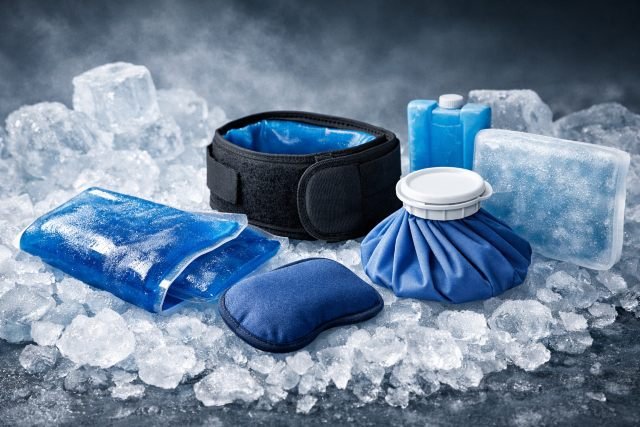
Cold pack ice packs are one of the most practical and effective tools for managing pain and swelling, especially right after an injury or intense physical activity. Whether you’re dealing with a sprained ankle, a sore knee after running, or swelling from a minor strain, cold therapy helps provide fast relief by reducing inflammation and numbing pain signals. Many clinicians recommend cold therapy for acute injuries during the first few days, especially when swelling and tenderness are noticeable.
- What Are Cold Pack Ice Packs?
- How Cold Pack Ice Packs Work
- When Should You Use Cold Pack Ice Packs?
- Best Cold Pack Ice Packs: Types Compared
- Best Cold Pack Ice Packs for Fast Cooling Relief
- What to Look for When Buying Cold Pack Ice Packs
- How to Use Cold Pack Ice Packs Safely
- Cold Therapy and the RICE or POLICE Method
- DIY Cold Pack Ice Packs: Do Homemade Options Work?
- FAQ: Cold Pack Ice Packs
- Conclusion: Cold Pack Ice Packs Are a Smart Tool for Fast Cooling Relief
Mayo Clinic recommends applying an ice pack for 15–20 minutes at a time and repeating it every two to three hours while awake during early recovery, particularly within the first 48 to 72 hours. This makes cold pack ice packs a must-have for home first-aid kits, athletes, and anyone who wants quick cooling relief when discomfort strikes.
What Are Cold Pack Ice Packs?
Cold pack ice packs are therapeutic cooling packs designed to deliver targeted cold therapy to a specific body area. They can come as reusable gel packs, instant chemical cold packs, or wrap-style packs made to fit joints and muscles comfortably. Their main purpose is to reduce swelling and relieve pain by lowering tissue temperature for a short, controlled time.
The American Academy of Orthopaedic Surgeons advises using ice therapy as soon as possible after injury and limiting each application to 20 minutes to reduce the risk of tissue damage. This is one of the most important safety rules to follow when using cold pack ice packs.
How Cold Pack Ice Packs Work
Cold pack ice packs work by reducing blood flow and slowing nerve activity in the injured area. When your tissues cool, blood vessels narrow, which can help decrease swelling and inflammation. Cooling also slows pain signal transmission, which often provides immediate relief even before swelling improves. This is one reason cold therapy is commonly recommended for bruises, sprains, strains, and post-exercise soreness.
While cold therapy is widely used, some clinical discussion acknowledges that icing may not always be ideal for long-term healing when used excessively. Some research and rehab perspectives argue that inflammation is part of recovery and that over-icing could theoretically interfere with that process. For most people, however, short and safe cold pack use is still considered a helpful way to control pain and swelling early on.
When Should You Use Cold Pack Ice Packs?
Cold pack ice packs are most useful during the early stages of injury, especially within the first few days after a strain, sprain, bump, or bruise. If the area is swollen, tender, or warm, cold therapy is usually appropriate. Cold packs are also commonly used after exercise to ease soreness and reduce inflammation around joints and tendons.
In contrast, heat is often preferred for long-term stiffness, tight muscles, or chronic discomfort that is not associated with swelling. AAOS explains that ice is typically best for swelling and inflammation, while heat may be more useful for stiffness and long-standing muscle tightness.
Best Cold Pack Ice Packs: Types Compared
Different types of cold pack ice packs serve different purposes, and the best option depends on your lifestyle, how quickly you need relief, and the body area involved.
| Type | Best For | Key Advantage | Main Limitation |
|---|---|---|---|
| Reusable gel pack | Home and daily use | Long-lasting cooling | Needs freezer time |
| Instant cold pack | Travel and emergencies | Immediate activation | Single-use and shorter cooling |
| Wrap-style cold pack | Knees, ankles, shoulders | Hands-free comfort | Bulkier than standard packs |
| Cold + compression pack | Swelling and sprains | Controls swelling better | Higher cost |
Best Cold Pack Ice Packs for Fast Cooling Relief
Reusable gel cold packs are the most popular and versatile choice for everyday use. These packs typically provide consistent cooling for the recommended 15–20 minute window, and many are designed to stay flexible even when frozen, which improves comfort and surface contact. They work well for knees, shoulders, backs, and ankles, and they’re especially helpful for people who need a reliable cold therapy option at home.
Instant cold packs are ideal for travel, sports fields, emergency kits, and situations where freezing isn’t possible. These packs cool quickly once activated and are useful for immediate relief, though they usually do not stay cold as long as reusable gel packs.
Wrap-style cold packs are designed for hands-free use and provide better coverage around joints. If you’ve ever struggled to keep a cold pack on your ankle or knee, a wrap pack can be a major upgrade because it stays in place and maintains consistent contact.
Cold-and-compression packs offer an extra level of swelling control by combining cooling with pressure. This type is commonly used for ankle sprains and knee swelling, since compression can reduce fluid buildup and improve comfort during recovery. Mayo Clinic includes compression as part of the RICE method, which is often used for managing sprains and strains.
What to Look for When Buying Cold Pack Ice Packs
Choosing the best cold pack ice packs comes down to cooling performance, fit, flexibility, and safety. Cooling performance matters because an effective pack should stay cold long enough to support a full therapy session. Flexibility matters because rigid packs don’t mold well to the body and can feel uncomfortable or ineffective.
Size should match the body area you need to treat. Small packs work best for face, jaw, or migraine support, while medium packs are usually ideal for joints. Larger packs are better for shoulder, back, or hip areas. A fabric backing or cover adds comfort and helps reduce frostbite risk, especially if you use cold packs frequently.
Durability is also important, particularly for reusable gel packs. Look for strong seals and leak resistance, especially if you’ll be freezing and thawing the pack repeatedly.
How to Use Cold Pack Ice Packs Safely
One of the biggest mistakes people make with cold therapy is applying a cold pack directly to the skin or leaving it on for too long. That increases the risk of ice burns and nerve irritation. Most expert guidance recommends limiting cold therapy to 15–20 minutes per session and using a towel barrier between the pack and skin.
Mayo Clinic advises icing for 15–20 minutes and repeating every two to three hours during early injury recovery, especially in the first few days. AAOS also recommends using ice for no more than 20 minutes per session and using a cloth barrier for protection. Cleveland Clinic warns that excessive icing can lead to frostbite and nerve damage.
Because cold reduces sensation, it’s important to check the skin every few minutes. If the skin becomes white, very red, numb, or painful, remove the pack immediately.
Cold Therapy and the RICE or POLICE Method
Many people know the RICE method, which stands for rest, ice, compression, and elevation. It remains widely used in first aid guidance for strains and sprains. Mayo Clinic continues to recommend this approach for acute injury management, especially when swelling is present.
In sports rehab, the newer POLICE approach emphasizes protection and optimal loading, encouraging controlled movement when safe rather than prolonged rest. This approach is often discussed because light movement can support recovery and prevent stiffness. Cold pack ice packs still play a role in both models by helping manage pain and swelling early on.
DIY Cold Pack Ice Packs: Do Homemade Options Work?
Homemade cold packs can work in a pinch, especially if you don’t have a gel pack available. A simple ice-and-water bag wrapped in a towel is effective for short sessions. Mayo Clinic also describes a homemade flexible ice pack method using water and rubbing alcohol in a sealed bag, which helps create a slushy texture that conforms better to the body.
Homemade packs are helpful for occasional use, but reusable cold pack ice packs are usually safer and more consistent for regular therapy.
FAQ: Cold Pack Ice Packs
What are cold pack ice packs used for?
Cold pack ice packs are used to reduce pain, swelling, and inflammation from acute injuries such as sprains, strains, bruises, and minor muscle injuries, as well as to support post-workout recovery.
How long should you use cold pack ice packs?
Most medical guidance recommends applying cold pack ice packs for 15–20 minutes per session. Mayo Clinic also suggests repeating sessions every two to three hours during early injury recovery when needed.
Are reusable gel packs better than instant cold packs?
Reusable gel packs are better for regular use because they last longer and can be reused many times. Instant cold packs are better for travel and emergencies because they activate immediately without a freezer.
Can you sleep with a cold pack ice pack on?
It’s not recommended. Prolonged exposure to cold increases the risk of frostbite and nerve injury, and Cleveland Clinic warns against over-icing for this reason.
Do cold pack ice packs reduce swelling?
Yes. Cold therapy reduces blood flow to the area and can help limit swelling, especially in the first 48–72 hours after injury. AAOS recommends ice therapy for swelling and inflammation.
Conclusion: Cold Pack Ice Packs Are a Smart Tool for Fast Cooling Relief
Cold pack ice packs are an easy, effective way to manage pain and swelling quickly, especially right after injury or intense activity. Reusable gel packs are the best all-around choice for home use, instant packs are perfect for emergencies and travel, wrap packs improve comfort and coverage, and cold-and-compression packs provide added support when swelling is the main concern.
For the best results, use cold pack ice packs safely by applying them for 15–20 minutes, using a towel barrier, and avoiding prolonged contact. Mayo Clinic and AAOS both recommend short, controlled sessions and repeating only as needed to support early recovery.