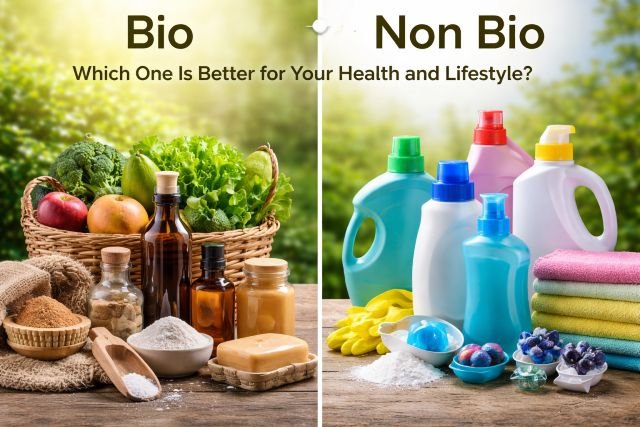
When shopping for food, one question comes up again and again: bio or non bio—what’s better for your health and lifestyle? You’ve probably noticed bio products are usually priced higher, and it’s natural to wonder whether the benefits are genuine or mostly marketing. The truth is that bio foods can help reduce pesticide exposure, and some research suggests they may contain higher levels of certain antioxidants. However, the overall nutrition gap between bio and non bio foods is often smaller than most people expect. The better choice depends on your goals, budget, and daily habits.
- What Does “Bio” Mean, and How Is It Different From Non Bio?
- Bio or Non Bio: Which One Is Healthier?
- Nutrition Differences Between Bio and Non Bio Foods
- Pesticide Residues: The Strongest Advantage of Bio
- Health Outcomes: Do Bio Foods Reduce Disease Risk?
- Lifestyle Factors Matter More Than Bio vs Non Bio
- Who Should Prioritize Bio Foods?
- Bio or Non Bio: Environmental and Ethical Considerations
- Does Bio Taste Better?
- Is Bio Worth the Extra Cost?
- A Smart “Bio or Non Bio” Shopping Strategy
- Bio vs Non Bio Comparison Table
- Real-World Scenario: Busy Lifestyle and Limited Budget
- Actionable Tips for Better Choices Today
- FAQ: Bio or Non Bio
- Conclusion: Bio or Non Bio — Which Is Better for You?
What Does “Bio” Mean, and How Is It Different From Non Bio?
In many countries, particularly across Europe, “bio” is essentially the same as “organic.” It generally means that farming follows stricter rules, including reduced reliance on synthetic pesticides and fertilizers, stronger animal welfare requirements, and restrictions on genetically modified organisms. These farming systems often prioritize soil health and biodiversity. Non bio, or conventional farming, can use regulated synthetic pesticides and fertilizers and may operate with more intensive production methods aimed at maximizing yield.
One common misunderstanding is that bio means pesticide-free. In reality, organic farming can still use certain approved substances, and residues can appear due to environmental drift or cross-contamination.
Bio or Non Bio: Which One Is Healthier?
If your main priority is lowering pesticide exposure, bio is typically the better choice. Nutritional differences between bio and non bio foods are often modest, but studies suggest organic crops may contain higher levels of antioxidants and lower cadmium concentrations in some cases. Still, long-term health depends far more on overall diet quality than on whether every item is organic.
Nutrition Differences Between Bio and Non Bio Foods
Many people choose bio because they believe it has higher nutritional value. The science is nuanced. A Stanford-led systematic review found nutrient levels to be generally similar between organic and conventional foods, though some differences appeared depending on the food type, such as variations in certain fatty acids or phosphorus levels.
Another large meta-analysis published in the British Journal of Nutrition concluded that organic crops often contain higher concentrations of antioxidant compounds, along with lower cadmium and fewer pesticide residues.
Both conclusions can be true because the differences depend on what you’re comparing. Crop variety, local soil, climate, harvest time, and storage all influence nutrient content. That’s why the most important nutritional takeaway remains consistent: eating more fruits, vegetables, and whole foods improves health regardless of whether they are bio or non bio.
Pesticide Residues: The Strongest Advantage of Bio
Lower pesticide exposure is one of the most consistent differences between bio and non bio foods. Studies repeatedly show that organic foods are less likely to carry pesticide residues and generally have lower residue levels when they do.
That doesn’t mean conventional foods are unsafe. Many countries regulate pesticide use strictly, and residues typically fall within legal thresholds. However, questions remain about long-term exposure, combined chemical effects, and vulnerability during pregnancy and early childhood. Consumer-oriented reviews and analyses of large residue datasets often recommend choosing organic for certain high-residue produce categories when possible, while still emphasizing that eating produce in general is beneficial.
Health Outcomes: Do Bio Foods Reduce Disease Risk?
Another important question is whether eating bio foods leads to lower risk of chronic diseases like cancer, cardiovascular disease, or obesity. The evidence is still evolving. A systematic review examining studies through November 2022 evaluated associations between organic food intake and health outcomes and suggested that evidence is growing but not definitive. Researchers note that organic consumers often have other healthy lifestyle behaviors, making it difficult to isolate cause and effect.
A more recent 2024 review also explored organic food’s potential links to chronic disease and overall health, reaching similarly cautious conclusions. There may be benefits in some settings, but the research does not prove organic alone prevents disease.
Lifestyle Factors Matter More Than Bio vs Non Bio
The biggest health improvements usually come from dietary patterns, not from choosing one label. A balanced diet of mostly whole foods and minimal ultra-processed products can outperform an organic diet that is still high in sugar, refined carbs, and processed snacks. Even “organic” cookies, chips, and sweetened cereals remain highly processed foods.
Research increasingly shows that high intake of ultra-processed foods is strongly associated with increased health risks, including weight gain and chronic disease markers.
This is why the most realistic recommendation for most people is to focus first on overall food quality, then use bio choices strategically when possible.
Who Should Prioritize Bio Foods?
Bio choices can be especially relevant for people who want to reduce pesticide exposure during sensitive life stages. Children often consume more food relative to their body weight and have developing organ systems, which is why many parents prioritize organic produce for frequent, raw foods such as berries and leafy greens. Pregnant women may also prefer bio options for the same reason, even though evidence on disease prevention is still not conclusive.
For fitness-focused adults, bio foods may support a cleaner eating pattern and reduce chemical exposure, but performance outcomes still depend more on protein intake, calorie balance, training quality, sleep, and hydration than on organic certification alone.
Bio or Non Bio: Environmental and Ethical Considerations
Many people choose bio for environmental reasons. Organic farming often supports greater biodiversity and soil health and restricts synthetic pesticide use. However, bio agriculture can sometimes require more land for the same yield, which creates a complex sustainability discussion. For many households, combining bio food choices with local seasonal shopping, reduced waste, and fewer ultra-processed foods can offer stronger environmental benefits overall than focusing on organic alone.
Does Bio Taste Better?
Taste is subjective, but many people report that bio fruits, eggs, and dairy taste better. In practice, freshness and seasonality often matter more than certification. A locally grown non bio strawberry can taste better than an organic strawberry that traveled far and was harvested early. If taste is your priority, focus on seasonal produce, local suppliers, and ripeness. Organic can enhance that experience, but it’s not the only factor.
Is Bio Worth the Extra Cost?
Organic foods often cost more because of certification requirements, labor-intensive farming practices, and sometimes lower yields. Whether it’s worth it depends on your budget and priorities. If buying organic prevents you from buying enough fruits and vegetables overall, then non bio produce is still the healthier option. If your budget allows bio without stress, buying it for high-residue items and foods you eat frequently can be a smart decision.
A Smart “Bio or Non Bio” Shopping Strategy
The most practical approach for many people is a hybrid strategy. Instead of choosing one side completely, you can buy bio for foods that matter most to you, such as raw produce you eat daily, while buying conventional for affordable staples like grains and legumes. This approach gives you the benefits of lower pesticide exposure where it matters most while keeping your grocery bill realistic.
Washing produce well, eating a wide variety of foods, and reducing processed foods remain high-impact strategies no matter what you buy.
Bio vs Non Bio Comparison Table
| Factor | Bio (Organic) | Non Bio (Conventional) |
|---|---|---|
| Pesticide exposure | Generally lower | Usually higher |
| Nutrition | Similar overall; some higher antioxidants | Similar overall |
| Price | Higher | Lower |
| Taste | Often perceived better (fresh items) | Depends on freshness |
| Environment | Often better biodiversity/soil | Often higher yield efficiency |
| Availability | Limited in some areas | Widely available |
| Best use | High-residue produce, lifestyle values | Budget staples, consistent access |
Organic meta-analyses often report lower pesticide residues and lower cadmium with higher antioxidant content in organic crops, though differences vary by food and region.
Real-World Scenario: Busy Lifestyle and Limited Budget
Imagine someone working full-time who wants to eat healthier but has limited time and money. The most effective solution is often to build a stable baseline with affordable conventional staples like oats, rice, beans, and frozen vegetables. Then, they can add a few organic items each week, such as berries or leafy greens, based on what they eat most often. This keeps the routine manageable, improves overall diet quality, and reduces pesticide exposure where it matters most without adding stress.
Actionable Tips for Better Choices Today
If your goal is better health, focus on eating more whole foods, increasing fiber, and reducing ultra-processed products. If your goal is lower pesticide exposure, consider prioritizing organic produce for high-residue items, choosing foods that are eaten raw more often, and rotating food types to reduce repetitive exposure patterns. If your goal is a simpler lifestyle, stick to one grocery routine that you can sustain and avoid chasing perfection.
FAQ: Bio or Non Bio
Is bio food healthier than non bio?
Bio food is generally healthier in terms of lower pesticide exposure, but nutrition differences are often modest. The biggest health impact comes from overall diet quality and eating more whole foods.
Does bio mean pesticide-free?
No. Organic farming restricts synthetic pesticides, but residues may still occur due to allowed inputs or environmental contamination.
Is it worth buying bio if I’m on a budget?
Yes, if you do it strategically. Prioritizing organic for a few high-residue foods can reduce exposure without increasing costs too much. If organic food prevents you from buying enough produce, conventional is still the better choice.
Is bio better for children?
If possible, prioritize bio for foods children eat frequently and raw, such as berries and leafy greens. The main advantage is reduced pesticide exposure.
Is avoiding ultra-processed food more important than choosing bio?
In most cases, yes. Ultra-processed foods are strongly linked to health risks, so reducing them often has a bigger impact than choosing organic alone.
Conclusion: Bio or Non Bio — Which Is Better for You?
So, bio or non bio—what’s better for your health and lifestyle? The most realistic answer is that both can fit into a healthy routine. Bio foods are especially helpful for lowering pesticide exposure and aligning with sustainability or animal welfare values. But the largest health gains come from eating more fruits and vegetables, cooking more at home, and reducing ultra-processed foods, regardless of whether everything is bio.