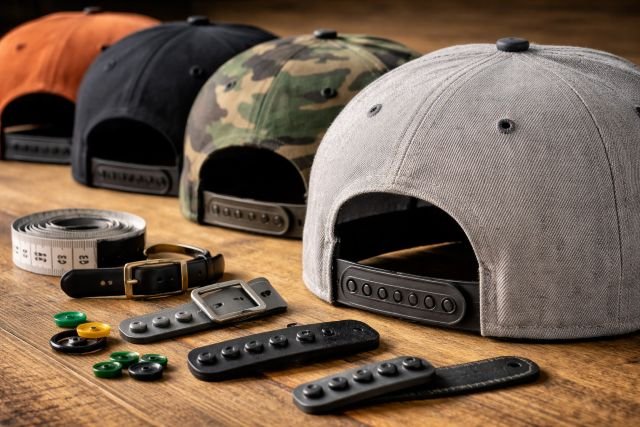
The snapback cap back is the reason snapbacks are so easy to wear, so easy to share, and so forgiving when your hair, weather, or comfort preferences change during the day. That little strip at the back does more than “adjust the size.” It controls how secure the cap feels when you move, how clean the silhouette looks from behind, and whether you finish the day with a headache or forget you’re even wearing a hat.
- What a snapback cap back is, in plain English
- Snapback cap back styles you’ll see most often
- Snapback sizing explained without the confusion
- How to adjust a snapback cap back for comfort, not just fit
- Choosing the best snapback cap back for your style goal
- Common snapback cap back problems and what to do about them
- Real-world scenario: why two “one size” snapbacks fit differently
- Why the snapback category is still growing
- FAQ about snapback cap back fit and sizing
- Conclusion
If you’ve ever tried two snapbacks that were both labeled “one size” but felt totally different, you’re not imagining it. The back closure design, the number of snap settings, the crown depth, and even the sweatband materials all influence fit. In this guide, you’ll learn the most common snapback cap back styles, how snapback sizing actually works, how to adjust a snapback for comfort and stability, and how to avoid the classic issues like back gaps, forehead marks, and “floating” crowns.
What a snapback cap back is, in plain English
A snapback cap back is the adjustable rear closure that uses snaps and holes to change the cap’s circumference. It’s the defining feature of a snapback: a structured cap style that’s often associated with a flatter brim, a firmer front panel, and a quick, click-in sizing system.
When brands talk about snapbacks, they often emphasize the “adjustable” part. In real life, what you feel is the combination of adjustability plus structure. The structure helps the cap hold its shape and gives it that classic snapback look, while the back closure lets you dial in the fit in seconds.
Snapback cap back styles you’ll see most often
The classic plastic snap closure (the iconic look)
This is the snapback cap back most people picture: a plastic strap with a row of holes on one side and pegs on the other. It’s popular because it’s fast, it holds its setting reliably, and it matches the bold, structured silhouette that made snapbacks famous.
This style tends to look “right” with streetwear outfits, team caps, and logo-forward designs. It also makes gifting easier because most people understand how to adjust it immediately.
Matte, soft-touch, or rubber-finish snap closures
Some brands keep the same snap mechanism but upgrade the feel with a matte or rubberized finish. The goal is a more premium look, less shine in photos, and sometimes a softer edge against the head depending on the build.
This style is a good fit if you want the snapback identity without the “toy-like” gloss some plastic snaps can have. The tradeoff is that coatings can show scuffs over time depending on quality.
Cleaner “recessed” backs that sit flatter
Not all snapback cap backs sit the same way. Some caps are patterned so the rear panels wrap more smoothly around the strap, making the back feel less bulky and reducing that visible gap some snapbacks create above the closure.
If you care about how a cap looks from behind in photos, or you prefer a more minimal aesthetic, this is one of the most underrated upgrades you can make.
Snapback plus comfort features (hybrid builds)
A snapback cap back can feel dramatically different when the cap includes comfort features like a higher-friction sweatband or a slightly more forgiving internal fit. Even when the snap mechanism is “standard,” those internal details can reduce sliding and improve comfort during long wear.
This is why two snapbacks at the same snap setting can behave differently: the closure might be identical, but the inside and the crown shape are not.
Snapback sizing explained without the confusion
Snapbacks are often sold as “one size fits most,” but “most” is doing a lot of work there. Sizing depends on head circumference, head shape, hair volume, and where you like the cap to sit on your head.
The most useful starting point is a simple measurement: head circumference. Many hat sizing guides recommend measuring around your head just above the eyebrows and ears, keeping the tape level and comfortably snug, then rounding if needed.
New Era, as an example of a major cap brand with published sizing guidance, also instructs shoppers to measure their head and consult the brand’s chart, while noting that labeling conventions can vary by model and measurement system.
How to measure your head for a snapback
Use a flexible measuring tape if you have one. Wrap it around your head where the cap will sit, typically across the mid-forehead and around the ears, keeping it level. The tape should be comfortable, not tight, because tight measuring often leads people to buy or adjust caps too small, which causes forehead marks and pressure points.
If you don’t have a tape, use a string and then measure the string length against a ruler. Many sizing guides recommend measuring twice for accuracy.
Why the snap setting isn’t the whole story
It’s tempting to think “I’m always on the third snap,” but that’s not reliable across brands. One cap may have a deeper crown that sits lower and feels tighter, while another sits higher and feels looser even at the same setting. Head shape plays a role too: an oval head can create pressure at the front even when the back feels fine, while a round head may feel uniform pressure around the band.
This is why brand size charts and model guidance matter more than a single snap count.
How to adjust a snapback cap back for comfort, not just fit
A snapback should feel stable without feeling compressive. The right adjustment keeps the cap from shifting when you move, without creating hotspots behind the head or on the forehead.
The comfort test you can do in five seconds
After snapping in, pay attention to two areas: your forehead and the area right above the snapback cap back. If you immediately feel pressure on your forehead, the cap is either too tight or sitting too high. If the back presses uncomfortably, you may be tightening too much to compensate for sliding, which is often an internal sweatband or crown-shape issue rather than a closure issue.
A practical approach is to loosen one snap from your “tight but stable” setting, then lower the cap slightly on your head. Many people wear snapbacks perched too high, which makes them tighten more than necessary.
Fixing the “back gap” problem
The gap above the snapback cap back is common on structured snapbacks. It usually happens when the crown is tall and stiff, and the rear panels don’t wrap close to the head shape.
You can reduce the gap by adjusting how the cap sits rather than only tightening. Try a slightly looser snap setting and wear the cap a touch lower and more forward. If you’re always tightening to eliminate the gap, you may end up with pressure and still not get the clean look you want.
If the gap is a dealbreaker, look for snapbacks marketed as lower-profile or designed with a flatter rear wrap. Model differences are real, and major brands explicitly call out that fits vary by style.
Making it secure for active days
If you notice the cap shifting when you walk quickly, commute, or run errands, the instinct is to crank the snaps tight. That works sometimes, but it can create discomfort fast.
Instead, prioritize stability through a balanced fit. Tighten only one snap and test movement. If it still slides, look for snapbacks with better internal grip, because the sweatband and interior materials often determine whether the cap stays put. The closure sets circumference, but the interior decides friction.
Choosing the best snapback cap back for your style goal
If you want the most classic snapback look
Choose the traditional snapback cap back with the visible snap strap and a structured crown. This is the most recognizable silhouette and pairs naturally with streetwear and sports-inspired outfits.
If you want a cleaner, more premium back view
A flatter, cleaner back design, often with a matte strap or more recessed closure, looks less busy and tends to photograph better. This is especially noticeable if you wear neutral outfits or minimal branding.
If comfort is your number one priority
Comfort-focused snapbacks often combine a standard snapback cap back with a softer sweatband and a crown pattern that doesn’t create pressure points. Your best move here is to measure your head, then choose models that match how you like the cap to sit. Sizing guidance and measurement methods are consistently recommended across hat sizing resources.
Common snapback cap back problems and what to do about them
A lot of “snapbacks are uncomfortable” complaints aren’t about snapbacks in general; they’re about one specific mismatch between head shape, crown structure, and snap setting. Here are the most common issues and the most realistic fixes.
When the snaps dig into the back of your head
This usually means the cap is tightened beyond what you actually need. Loosen one snap and lower the cap slightly. If you’re driving or sitting with a headrest, the snapback cap back may be pressing into the seat; in that case, a slightly looser setting and a lower position can reduce the pressure. If the problem persists across caps, a cleaner back design or softer-finish strap can help.
When you get forehead marks
Forehead marks often come from tightening the snapback cap back to compensate for a cap that’s sitting too high or shifting due to low internal grip. Start by loosening one snap and wearing the cap lower. If you still need it tight to prevent sliding, you may be better served by a model with a different crown profile or better sweatband friction.
When the cap looks oversized even when it fits
That “huge hat” look is usually crown height and structure, not the back closure. A tall structured snapback can look bigger than you expect, especially on smaller frames or with short hair. In that case, choosing a lower profile snapback makes a bigger difference than any snap setting.
Real-world scenario: why two “one size” snapbacks fit differently
Imagine two caps. Both have a snapback cap back. Both are set to the same snap position. One feels comfortable and looks clean. The other feels tight at the forehead and leaves a gap at the back.
The difference is typically crown architecture. A taller, stiffer crown creates leverage that changes how the band presses on your forehead. A different rear panel cut creates a different wrap around the occipital area of your head, changing the gap. And an interior sweatband with low friction can make you tighten more than necessary, creating pressure.
Why the snapback category is still growing
Snapbacks keep evolving because hats remain a large and expanding category. Some market research publishers project continued growth in the baseball cap market over the next decade, driven by lifestyle fashion, sports merchandising, and everyday casual wear habits.
You don’t need to be obsessed with market numbers to benefit from this, but the takeaway is practical: brands keep releasing new fits and back designs, which means you can usually find a snapback cap back style that matches your comfort and aesthetic if you know what to look for.
FAQ about snapback cap back fit and sizing
What is a snapback cap back, exactly?
A snapback cap back is an adjustable rear closure that uses snaps and holes to change the cap’s circumference, making the cap fit a wider range of head sizes than fixed-size hats.
How do I measure my head for a snapback?
Wrap a flexible tape measure around your head just above your eyebrows and ears, keeping it level and comfortably snug, then record the circumference. If you don’t have tape, use a string and measure it afterward with a ruler.
Why does my snapback have a gap above the strap?
A gap usually comes from the crown structure and rear panel shape rather than the snapback cap back itself. Wearing the cap slightly lower and avoiding over-tightening can reduce it, and choosing a lower-profile or cleaner-back model can reduce it further. Brand style differences are also a factor.
How tight should a snapback be?
It should feel stable without pressure. If you get forehead marks quickly, feel a headache coming on, or notice the back digging in, it’s too tight. Adjust one snap looser and change the cap position before tightening again.
Are snapbacks better than strapbacks?
Snapbacks are faster to adjust and tend to hold their setting firmly, while strapbacks can feel softer and look cleaner depending on the closure. “Better” depends on your priorities and style preference.
Conclusion
The snapback cap back isn’t just a functional closure; it’s a fit system that shapes comfort, stability, and the overall look of the cap. The classic snap strap delivers the most iconic snapback vibe, cleaner-back builds give a more premium rear profile, and comfort-focused interiors can make a standard snapback feel dramatically better for all-day wear. Start by measuring your head properly, then use the snap setting as fine-tuning rather than a force-fit solution. When you match the snapback cap back style to your head shape and your style goal, you’ll get a cap that looks right from every angle and feels good long after the first “click.”