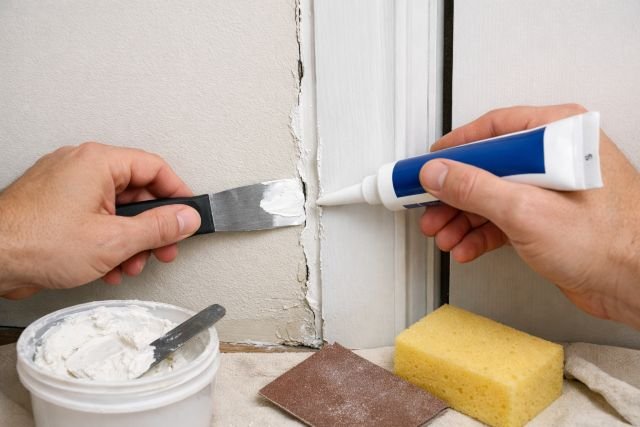
If you’re staring at cracks along trim, a widening corner seam, or a drywall patch that didn’t blend, the right gap filler can make the difference between a quick, invisible repair and a mess that re-cracks a month later. The trick isn’t buying the “strongest” product—it’s matching the filler to the type of gap, the movement in the wall, and the finish you want (paint, texture, or wallpaper). This guide breaks down the best options for common wall gaps, how to apply them for clean results, and the mistakes that cause most DIY touch-ups to fail.
- What is a gap filler for walls?
- Best gap filler for walls, based on the gap you’re fixing
- How to choose the right gap filler fast
- How to patch wall gaps fast with clean results
- The most common reasons wall gap repairs fail
- Low-VOC and indoor air quality considerations
- Real-world examples of the best gap filler choice
- FAQ: quick answers for the best gap filler for walls
- Conclusion
What is a gap filler for walls?
A gap filler is any material used to close and smooth spaces in or between wall surfaces so the area can be painted or finished cleanly. In practical terms, wall gap fillers fall into two families: flexible fillers that move a little without cracking, and rigid fillers that dry hard and sand smooth. Flexible fillers are most useful where different materials meet or where the joint shifts slightly with seasons. Rigid fillers are best for stable drywall surfaces where you want a sandable, paint-ready patch.
This distinction matters because most wall repairs fail for one simple reason: the filler and the gap behave differently. If you use a rigid filler on a joint that moves, it tends to crack. If you use a flexible caulk to fill a wide or deep void, it can shrink, sag, or look rubbery under paint.
Best gap filler for walls, based on the gap you’re fixing
Best gap filler for trim-to-wall lines: paintable acrylic latex caulk
If your gap runs along baseboards, door casing, window trim, or crown molding, a paintable acrylic latex caulk is often the cleanest and fastest option. It’s designed to tool smoothly, accept paint, and remain slightly flexible so seasonal changes don’t immediately open the line again. This is why “painter’s caulk” is commonly used for interior finish work.
This choice also aligns with how sealants are classified in building standards, which emphasize movement capability and performance categories for different use cases.
Best gap filler for tiny holes and shallow dents: lightweight spackle
For nail holes, minor dings, and small chips, lightweight spackle (sometimes called lightweight wall filler) is usually the easiest path to a smooth wall. It spreads cleanly, dries relatively fast, and sands with less effort than many heavier compounds. Because it dries rigid, it’s best on stable surfaces rather than joints that flex.
A common reason spackle patches show through paint is overfilling or leaving a sharp edge. A thinner application that blends wider into the surrounding paint typically disappears more reliably once primed and painted.
Best gap filler for drywall seams and recurring cracks: joint compound with tape
If a crack sits along a drywall seam or keeps returning in the same place, joint compound with tape is usually the most durable repair. Tape provides reinforcement so the repair doesn’t simply split open as the building shifts. Joint compounds also come in different formulations; many manufacturers distinguish between lightweight options for easier sanding and other compounds intended for specific steps in finishing.
If your goal is “clean results,” this method is the one that most often prevents repeat work, especially around stress points like doorways, ceiling transitions, and old seam lines.
Best gap filler for wider gaps: setting-type compound or backer rod plus caulk
When gaps get wider, the best repair usually starts with controlling depth and shrinkage before you worry about cosmetics. Setting-type joint compound, which comes as a powder you mix, hardens by a chemical set rather than only by drying. That can make it useful when you need to build thickness more confidently and keep the project moving. Manufacturers describe these setting compounds as chemically setting and commonly used when faster turnaround or thicker fills are needed.
For long gaps at trim lines, especially when the joint is deep, backer rod (a foam rope) can be the difference between a crisp line and a sunken one. It limits how much caulk you need, reduces shrinkage, and helps the caulk perform better over time because it cures at a more appropriate thickness.
Best approach for very deep voids: foam for depth, then a finish filler
Deep cavities around penetrations, oversized holes, or awkward voids often need a two-stage approach. Expanding foam can fill depth quickly, but it usually isn’t a clean, paint-ready surface by itself. After the foam cures, it’s typically trimmed back and covered with a finish layer such as joint compound or spackle to create a smooth surface that blends into the wall.
How to choose the right gap filler fast
A simple way to choose is to ask where the gap is and whether it moves. If the gap is between different materials, such as wood trim and drywall, choose a flexible, paintable caulk. If the problem is on the flat drywall surface, such as a dent or small hole, choose spackle for quick sanding and blending. If the crack runs along a seam or keeps coming back, choose tape and joint compound. If the gap is wide or deep, treat depth first with a setting compound, backer rod, or foam as appropriate, then finish with a smooth, paintable coat.
How to patch wall gaps fast with clean results
Start by preparing the surface so the filler bonds properly. Remove loose paint and crumbly material, then clean dust away. For cracks, opening them slightly into a shallow V-shaped channel gives the filler more surface area to grip and helps prevent the patch from popping out. If the area is glossy, a light scuff sand helps the repair and primer adhere more evenly.
Next, apply the filler in thin passes rather than one heavy application. Thick coats dry slower, shrink more, and are harder to feather invisibly. Controlled layers tend to cure more predictably and reduce the chance of a depression forming as the repair dries. Drying and shrinkage stresses are a known part of how finishing materials cure, which is one reason thin, well-managed coats are a reliable approach.
Then blend the repair while it’s still workable. Caulk should be tooled quickly into a smooth, slightly concave line so it looks intentional rather than smeared. Compounds should be feathered outward with a wider knife so you don’t leave a sharp ridge that “flashes” under paint.
After it dries completely, sand lightly and check your work using a flashlight held at a low angle. This reveals ridges, edges, and shallow dips before paint makes them obvious.
Finally, prime the patch. Most fillers are porous, and paint can dry differently on a porous patch than on existing paint, creating a visible sheen or texture difference. A spot prime helps the finish coat look uniform.
The most common reasons wall gap repairs fail
One of the biggest mistakes is using a rigid filler where the joint moves. That’s why trim gaps and transitions often need flexible caulk rather than spackle or joint compound. Another common issue is skipping tape on seam cracks; compound alone may look good initially but often re-cracks because it isn’t reinforced. Overfilling caulk is also a frequent problem—too much creates a smeary ridge that can show through paint. Finally, rushing paint onto a patch before the repair fully dries can cause sink marks and uneven texture.
Low-VOC and indoor air quality considerations
If you’re patching indoors and care about emissions, look for low-emitting options and follow label guidance for ventilation. Some joint compounds are marketed with low-emissions certifications, such as GREENGUARD Gold for certain product lines, which is commonly used to indicate lower chemical emissions in indoor environments.
Because wall repair usually ends with priming and painting, it can also help to choose low-VOC paints and primers. The U.S. EPA maintains references around VOC rules and compliance categories for coatings, which can be useful context when you’re selecting the finishing products you’ll apply over the repair.
Real-world examples of the best gap filler choice
If you have a hairline crack above a doorway, that area often experiences vibration and minor movement. If the crack is on a drywall seam, tape and joint compound typically hold up better than a simple surface fill.
If a baseboard gap reappears every winter, seasonal movement is likely the cause. A paintable acrylic latex caulk is usually the best gap filler for that line, and backer rod can improve results if the gap is deeper than it is wide.
If you can see the edge of a drywall patch after painting, the fix is usually a wider feather rather than more paint. A skim coat of joint compound spread beyond the patch perimeter, sanded smooth and spot-primed, commonly eliminates the outline.
FAQ: quick answers for the best gap filler for walls
What is the best gap filler for walls before painting?
The best gap filler depends on the gap. Paintable acrylic latex caulk is usually best for trim-to-wall gaps, spackle is best for small holes and dents, and joint compound with tape is best for drywall seam cracks that need reinforcement.
Can I use caulk as a gap filler on drywall cracks?
Caulk can work for tiny, non-structural cracks, especially where movement is expected. For seam cracks or cracks that keep returning, tape and joint compound are typically more durable because tape reinforces the joint.
Why does my wall filler crack after drying?
Cracking usually happens when the filler is too rigid for a moving joint, when it’s applied too thick and shrinks, or when a seam crack is repaired without tape. Matching the product to movement and applying thin layers reduces cracking.
Do I need to prime after using gap filler?
Priming is strongly recommended. Fillers are porous, and primer helps prevent flashing, sheen differences, and texture changes in the final paint.
Conclusion
The best gap filler for walls is the one that matches the gap’s location and movement. Use paintable caulk for trim lines and transitions, spackle for small cosmetic surface repairs, and joint compound with tape for seam cracks that need reinforcement. Keep applications thin, feather wide, let the patch fully dry, and spot-prime before painting. Follow that process and you’ll patch gaps fast with clean results that stay invisible long after the paint dries.