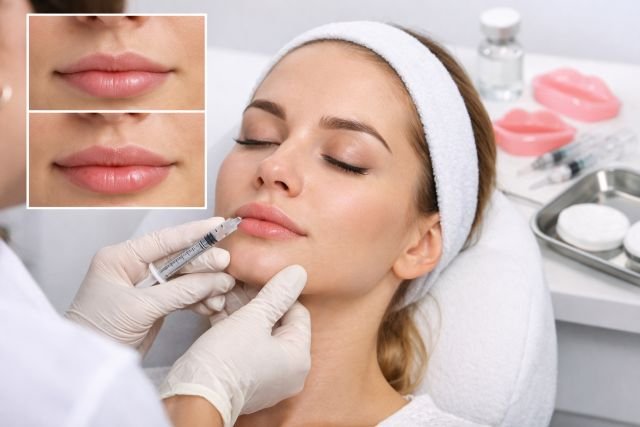
Typing lip fillers near me can feel exciting and slightly overwhelming, because you’re not just booking a beauty service. You’re choosing a medical aesthetic treatment that sits front-and-center on your face. The good news is that natural-looking results are achievable for first-timers when you know what to look for in a provider, what to ask at consultation, and how to plan a conservative first treatment.
- What lip filler is and why hyaluronic acid is usually the first-timer choice
- Lip fillers near me: how to choose a provider who prioritizes natural results and safety
- What to ask at your consultation as a first-timer
- What “natural-looking” lip filler actually means
- What to expect during the appointment
- Healing timeline: what is normal and when to worry
- How long lip fillers last and why your results may vary
- Lip fillers near me: cost expectations and what the price should include
- Aftercare that supports smoother healing and more natural results
- FAQ: lip fillers near me
- Conclusion: choosing lip fillers near me with confidence
Lip augmentation with injectable materials is extremely common. The American Society of Plastic Surgeons reported 1,439,291 lip augmentation procedures with injectable materials in 2023 in the United States. Popularity isn’t the same as safety or quality, though, so the goal is to choose the right injector, the right product, and the right amount, then give your lips time to heal before judging results.
This guide covers what lip filler is, how to find a reputable clinic near you, what to expect before and after treatment, how to keep results natural, what the real risks are, and how to care for your lips so they settle smoothly.
What lip filler is and why hyaluronic acid is usually the first-timer choice
Most modern lip fillers are made from hyaluronic acid, often shortened to HA. Hyaluronic acid is found naturally in the body, and in cosmetic use it’s formulated as a gel that can add volume, hydration, and shape. In lips, HA filler can support the lip border, refine the cupid’s bow, subtly lift the corners, or restore lost volume without changing your face into something unfamiliar.
Hyaluronic acid fillers are popular partly because they can be adjusted over time. In many cases, HA filler can be dissolved using hyaluronidase when medically appropriate, which gives many first-timers peace of mind. Dissolving is still a medical intervention, not a casual “undo,” but it’s one reason HA is widely used.
A simple definition helps set expectations. Lip filler is a minimally invasive cosmetic treatment where a trained medical injector places small amounts of dermal filler, commonly hyaluronic acid, into specific areas of the lips to enhance volume, shape, and symmetry.
Lip fillers near me: how to choose a provider who prioritizes natural results and safety
When you search lip fillers near me, you’ll likely see dermatology clinics, plastic surgery practices, medical spas, and individual injectors advertising fast appointments and dramatic before-and-afters. For a first treatment, it helps to think like a careful consumer. You’re choosing a clinician’s judgment as much as you’re choosing a product.
A strong provider experience starts with a real consultation. You should be asked about your medical history, allergies, medications, prior cosmetic treatments, and your goals. You should also hear a clear explanation of risks and aftercare. The FDA notes that dermal fillers can have side effects, and while most are temporary, serious complications can occur, so proper technique and prompt management matter.
Natural outcomes also require an aesthetic eye. The best injectors tailor the plan to your facial proportions, your natural lip shape, and how your lips move when you talk and smile. If every photo in a portfolio looks like the same “signature lip” applied to different faces, that can be a sign the injector is chasing a trend rather than designing results for the individual.
What to ask at your consultation as a first-timer
A consultation should leave you feeling informed, not pressured. If you want natural lips, the language you use matters. Saying “I want to look like myself, just fresher” is often more helpful than naming a celebrity or showing a highly filtered photo.
You’ll also want to ask what filler brand and texture the injector recommends for your lips and why. Different hyaluronic acid fillers vary in softness, spread, and how they support shape. A provider who can explain product choice in plain terms is usually a provider who knows what they’re doing.
It also helps to ask how much filler is planned for your first session. Many first-timers do best with a conservative approach. Starting small can reduce the risk of an overfilled look, especially because swelling can make lips look larger for several days.
Technique is another important conversation. You can ask whether the injector plans to use a needle, a cannula, or a combination, and how they approach bruising and safety. A large study in JAMA Dermatology reported vascular occlusion was very rare overall and was reported less often with microcannulas than needles, based on syringes used. This doesn’t mean one tool guarantees safety, but it does show your injector should be able to discuss technique thoughtfully.
Finally, ask what their emergency protocol is for complications. Even though serious adverse events are uncommon, you want a clinic that recognizes warning signs quickly and follows established medical guidance.
What “natural-looking” lip filler actually means
Natural lips are not one universal shape. On one person, natural might mean subtle hydration and a slightly smoother border. On another, it might mean more balanced proportions between the top and bottom lip without increasing overall size much. The most natural results usually come from structure and proportion, not from chasing maximum volume.
A “starter lip” approach is common for first-timers. The idea is to build a soft foundation first, then reassess after swelling resolves. If you add too much too quickly, especially into tissue that hasn’t held filler before, you increase the risk of looking puffy or uneven early on, which can lead to regret.
Another key concept is that shape often matters more than size. Small amounts of filler placed strategically can improve definition and balance without changing your facial identity. Too much placed in the wrong zone can create heaviness, unnatural projection, or an obvious “done” look, even if the total amount isn’t high.
What to expect during the appointment
Most lip filler appointments involve cleansing, photos, mapping the plan, numbing, then injecting. Some providers use topical numbing cream, while others may use a dental block for stronger numbing. Many fillers also include lidocaine, which improves comfort as the treatment progresses.
You may feel pressure, pinching, or mild stinging. The lips are sensitive, but most people find the experience tolerable, especially with good numbing and a calm, slow technique.
Immediately after treatment, swelling is normal. You may also see small bumps, mild redness, and temporary unevenness. Early “lumps” are often swelling and product settling rather than a true problem. This is why a good provider prepares you for the healing timeline before you ever sit in the chair.
Healing timeline: what is normal and when to worry
The first 24 to 72 hours are typically when lips look the most swollen. Bruising, if it happens, often becomes more noticeable over the first day or two, then fades. Many people look socially presentable within a week, but subtle settling can continue for a few weeks.
It’s common for lips to feel firm at first. Over time, they usually soften as swelling resolves and the filler integrates. If you judge your result too early, you’re likely judging swelling, not your actual outcome.
Even though most side effects are temporary, you should know the warning signs that require urgent evaluation. FDA safety information notes rare but serious complications can occur, including vascular issues and, very rarely, vision-related complications. Severe pain, worsening discoloration, blistering, or vision changes should be treated as urgent. A reputable clinic will give you clear post-care instructions and an emergency contact pathway.
How long lip fillers last and why your results may vary
You’ll often hear that lip fillers last six to twelve months, and that’s a helpful planning range for many people. Still, duration varies by product type, how your body metabolizes filler, how much is used, and how the filler is placed.
There has also been ongoing discussion in medical and aesthetic literature about fillers potentially lasting longer than expected in some cases, based on imaging and clinical observations across different filler areas. The practical takeaway for first-timers is to plan for follow-up based on how your lips look and feel over time, not based on a fixed calendar date.
Lip fillers near me: cost expectations and what the price should include
Pricing varies by region, injector experience, and whether you’re in a physician-led clinic. It’s tempting to compare clinics by price alone when searching lip fillers near me, but cost should be viewed as part of overall value, including medical oversight, product quality, injector training, and follow-up care.
For a national benchmark, the American Society of Plastic Surgeons reported an average physician fee of $698 for lip augmentation with injectable materials in 2023. That figure may not include all costs, and it can differ from local pricing, but it’s useful context for understanding what “normal” can look like.
When evaluating cost, it helps to understand whether pricing is per syringe or per treatment and whether follow-up visits are included. Extremely low prices can be a red flag for diluted products, inconsistent sourcing, or inexperienced injectors.
Aftercare that supports smoother healing and more natural results
Aftercare is mostly about reducing swelling and protecting the injection sites while they calm down. Many clinicians advise avoiding heavy exercise, alcohol, excessive heat, and unnecessary pressure on the lips for a short period, because these can increase swelling and bruising. Your provider should give you clinic-specific guidance tailored to your health history.
You should also avoid judging symmetry too early. Swelling is rarely perfectly even, and lips can look different from morning to evening in the first few days. A follow-up check once everything settles is often where true refinement decisions happen.
FAQ: lip fillers near me
How do I find the best lip fillers near me?
Look for a qualified medical injector with consistent natural-looking results, a thorough consultation process, transparent product selection, and a clear protocol for managing complications. Avoid settings that skip medical screening or pressure you into multiple syringes on your first visit.
Do lip fillers hurt?
Most people feel discomfort rather than severe pain. Numbing cream, dental blocks, and lidocaine in the filler can significantly improve comfort, and a slow technique also helps.
Will I look overfilled as a first-timer?
Not if you start conservatively and understand the swelling timeline. The first few days can look puffy, but results usually soften and look more natural as swelling resolves.
How much filler do I need for a natural look?
It depends on your starting lip shape and goals, but many first-timers look best with a conservative amount focused on shape and balance rather than maximum volume.
What is the downtime after lip filler?
Most swelling and bruising improves within one to two weeks, though subtle settling can continue for several weeks. If you have a big event, scheduling at least two to four weeks ahead is a safer plan.
Conclusion: choosing lip fillers near me with confidence
Searching lip fillers near me is ultimately about finding a provider you trust to prioritize your face, your proportions, and your safety. Lip augmentation is common, with more than 1.4 million injectable lip augmentation procedures reported in 2023, but the best first-timer results are rarely about doing the most. They’re about doing the right amount in the right places, planning for swelling, and choosing an injector who can explain their approach clearly.