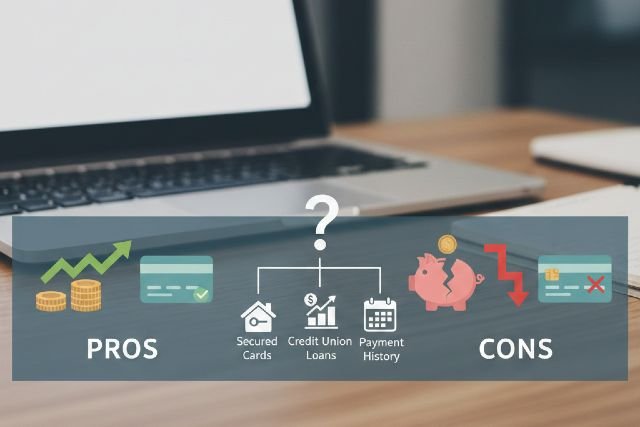
If you are trying to build or rebuild your credit, you have likely heard about a credit builder loan. These loans are often marketed as one of the easiest and safest ways to improve your credit score, especially if you have little or no credit history. But before committing, it is important to understand how a credit builder loan works, what benefits it offers, and where it may fall short.
- What Is a Credit Builder Loan?
- How a Credit Builder Loan Works
- Who Should Consider a Credit Builder Loan?
- Advantages of a Credit Builder Loan
- Disadvantages of a Credit Builder Loan
- How Much Can a Credit Builder Loan Improve Your Credit?
- Credit Builder Loan vs Other Credit-Building Options
- When a Credit Builder Loan Is Worth It
- How to Choose the Right Credit Builder Loan
- Frequently Asked Questions
- Final Verdict: Is a Credit Builder Loan Worth It?
In this comprehensive guide, we explore whether a credit builder loan is worth it, who it is best for, and which alternatives may be more effective depending on your financial goals. This article is designed to help you make an informed decision using real-world insights and credit-scoring principles.
What Is a Credit Builder Loan?
A credit builder loan is a small installment loan designed specifically to help individuals establish or improve their credit history. Unlike traditional loans, you do not receive the money upfront. Instead, the lender places the loan amount into a secured savings account or certificate that you cannot access until the loan is fully paid off.
You make fixed monthly payments over a predetermined period, usually between six and twenty-four months. As you make these payments, the lender reports your activity to the major credit bureaus. Once the loan term ends, the funds are released to you, often along with any interest earned in the account.
This structure reduces risk for the lender while giving borrowers a controlled way to build positive payment history.
How a Credit Builder Loan Works
When you open a credit builder loan, the lender determines the loan amount and term. The money is then locked away while you begin making monthly payments. Each payment includes a portion of the principal and interest. These payments are reported to credit bureaus such as Experian, Equifax, and TransUnion.
Because payment history accounts for approximately thirty-five percent of your FICO score, consistent on-time payments can significantly improve your credit profile over time. According to MyFICO, payment history is the single most important factor in credit scoring, which explains why credit builder loans can be effective when used responsibly.
Who Should Consider a Credit Builder Loan?
A credit builder loan is best suited for individuals with limited or damaged credit histories. This includes people who have never used credit before, those who recently moved to the country, students, and individuals rebuilding credit after missed payments, collections, or defaults.
It is also useful for people who prefer structured payments and want to avoid the temptation of overspending that can come with credit cards. If your main goal is to establish reliable payment history, a credit builder loan can serve that purpose well.
Advantages of a Credit Builder Loan
One of the biggest advantages of a credit builder loan is that it helps you build payment history in a controlled and predictable way. Since payments are fixed and required monthly, it encourages consistency, which is essential for credit growth.
Another benefit is accessibility. Most credit builder loans have minimal approval requirements and do not require a strong credit score. This makes them one of the few options available to people with no credit at all.
A credit builder loan also doubles as a forced savings tool. By the end of the loan term, you receive the funds you paid toward the loan, which can be used for emergencies or future financial goals. Additionally, monthly payments are typically affordable, making budgeting easier.
Disadvantages of a Credit Builder Loan
Despite its benefits, a credit builder loan is not without drawbacks. You will pay interest and possibly administrative fees, even though you are technically borrowing your own money. Over time, these costs can add up.
Another limitation is that you do not receive immediate access to cash. If you need money right away, a credit builder loan will not meet that need. Additionally, a credit builder loan does little to improve credit utilization, which is another major factor in credit scoring.
Perhaps most importantly, missed or late payments can harm your credit just as easily as they can help it. This makes it essential to commit only if you are confident you can make every payment on time.
How Much Can a Credit Builder Loan Improve Your Credit?
The impact of a credit builder loan varies depending on your starting credit profile. Many borrowers report seeing improvements of twenty to sixty points within six to twelve months, particularly those with thin or nonexistent credit files.
Experian notes that individuals with limited credit history often experience faster score changes than those with long but damaged histories. Results depend on consistent payments and whether the loan is combined with other positive credit behaviors.
Credit Builder Loan vs Other Credit-Building Options
A credit builder loan primarily strengthens payment history, while other tools address different aspects of credit scoring. Secured credit cards, for example, can improve both payment history and credit utilization. Authorized user accounts can add length and positive history quickly, assuming the primary account holder manages the account well.
Rent and utility reporting services allow everyday bills to contribute to your credit file, while credit-builder apps combine savings and reporting features in a digital-first format. Each option serves a different purpose, and the most effective strategy often involves using more than one.
When a Credit Builder Loan Is Worth It
A credit builder loan is worth it if you have little to no credit, want a low-risk way to build payment history, and can commit to consistent monthly payments. It is particularly helpful if you are uncomfortable with credit cards or want a structured repayment plan.
However, if you already have active credit accounts or need immediate funds, alternatives may provide more value with fewer limitations.
How to Choose the Right Credit Builder Loan
When selecting a credit builder loan, it is important to confirm that the lender reports to all three major credit bureaus. Transparency around interest rates and fees is also critical. You should also consider whether the lender allows early payoff without penalties and whether the loan term aligns with your monthly budget.
Credit unions often offer lower fees, while online lenders provide convenience and faster setup. Choosing the right provider can significantly affect your overall experience and results.
Frequently Asked Questions
A credit builder loan is considered good for beginners because it allows them to establish credit without access to traditional loans or unsecured credit cards. Most experts recommend a loan term of around twelve months to balance cost and credit impact. While opening a credit builder loan may cause a small, temporary dip due to a hard inquiry, consistent on-time payments typically lead to long-term improvement.
Final Verdict: Is a Credit Builder Loan Worth It?
So, is a credit builder loan worth it? For many people, especially those starting from zero or rebuilding after financial setbacks, the answer is yes. A credit builder loan provides a structured, low-risk way to establish payment history while encouraging disciplined financial habits.
That said, it should not be viewed as a standalone solution. The best results come from combining a credit builder loan with other responsible credit practices such as maintaining low balances, paying bills on time, and monitoring your credit report regularly. Used correctly, a credit builder loan can be an effective stepping stone toward long-term financial stability and stronger credit.