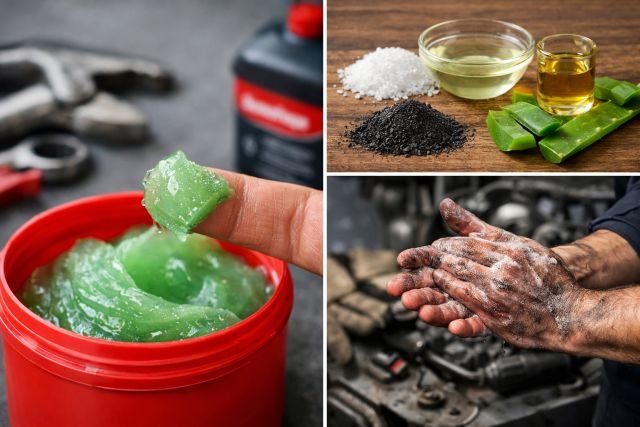
Swarfega is a trusted heavy-duty hand cleaner designed to remove stubborn grime such as grease, oil, soot, ink, and industrial dirt. It’s widely used in trades such as automotive repair, engineering, construction, printing, and manufacturing because ordinary soap often fails to lift oily residues effectively. Swarfega is designed to break down the type of grime that clings to skin and gets trapped around nails and knuckles.
- Swarfega Explained in Simple Terms
- Why Is Swarfega Called Swarfega?
- Swarfega Benefits: Why It’s Better Than Soap for Grease
- Swarfega Ingredients: What’s Inside and How It Works
- Swarfega Orange vs Swarfega Original: Which One Should You Choose?
- Best Uses for Swarfega in Work and Daily Life
- How to Use Swarfega Correctly (The Best Method)
- Swarfega Safety: Is It Safe for Skin?
- Swarfega vs Soap vs Solvent Degreasers: What’s the Difference?
- Common Mistakes People Make with Swarfega
- FAQ: Swarfega Questions
- Conclusion: Is Swarfega Worth Using?
Historically, Swarfega became popular as a safer alternative to harsh cleaning habits in workshops, such as using petrol, solvents, or abrasive sand. The brand is especially well known in the UK and has been in use for decades, often associated with mechanics and industrial work environments. Modern versions now focus more on balancing strong cleansing performance with skin-friendly formulation choices.
Swarfega Explained in Simple Terms
Swarfega is a hand cleansing product designed specifically for greasy and ingrained dirt that normal handwash struggles to remove. Its formula helps loosen thick oils and grime so it can be rinsed away more easily. Unlike standard soap that relies mainly on water and mild surfactants, Swarfega is built to target stubborn industrial soils and provide deeper cleaning power without requiring harsh scrubbing.
Although Swarfega is often described as a “mechanic’s hand cleaner,” it’s also widely used by DIY enthusiasts, painters, builders, and anyone who works with difficult-to-clean contaminants such as lubricants, adhesives, tar, or printing inks.
Why Is Swarfega Called Swarfega?
The word “swarf” refers to the fine metal shavings and debris created in machining and metalworking. Swarfega became associated with industrial cleaning because it was designed to remove the stubborn residue that comes from engineering and machine-shop work. Over time, the name Swarfega became a common reference point for heavy-duty hand cleaners, much like some brands become synonyms for their category.
Swarfega Benefits: Why It’s Better Than Soap for Grease
One of the main benefits of Swarfega is that it targets oily and water-resistant contaminants. Grease and oils are hydrophobic, which means they do not mix with water. That is why soap alone often feels like it is spreading the dirt around instead of removing it completely. Swarfega is formulated to bind to grease, loosen it, and lift it away from the skin so it can be washed off more effectively.
Another important advantage is speed. In many workplaces, workers must clean their hands quickly and frequently, and Swarfega can reduce the time needed to remove grime compared to standard soap. Many versions of Swarfega are also designed to reduce the need for harsh scrubbing, which may help reduce skin irritation over long-term use.
Modern Swarfega products often position themselves as solvent-free or less harsh compared to traditional solvent degreasers, making them a practical option for regular industrial use. Some formulas include conditioning ingredients intended to support skin comfort, especially for people who wash their hands multiple times each day.
Swarfega Ingredients: What’s Inside and How It Works
Swarfega formulas vary depending on the product type, such as Original Classic or Swarfega Orange, but the cleansing principle remains similar. Most contain water-based carriers, cleansing surfactants, emulsifiers, stabilizers, preservatives, fragrance, and sometimes mild scrubbers.
In Swarfega Original-style formulas, the ingredients typically work by attaching to grease and helping it mix with water so it can be rinsed away. Emulsifiers play a major role here, allowing oil-based contaminants to break apart and suspend in water. Some products also include soap-like cleansing agents to reinforce cleaning strength.
Swarfega Orange often includes a combination of surfactants and mild scrubbing particles. These scrubbers help lift stubborn grime physically, while the surfactants dissolve and loosen oily soils. Some variants include ingredients such as wheat germ extracts or oils, which are commonly promoted as skin-conditioning components, helping reduce the dry feeling associated with heavy-duty cleaning.
It’s important to note that some formulas may include fragrance components and preservatives that can cause irritation for sensitive users. This is not unique to Swarfega; it is common in many cosmetic and cleansing products. For users with dermatitis, eczema, or fragrance sensitivity, checking the product label and safety data sheet is recommended.
Swarfega Orange vs Swarfega Original: Which One Should You Choose?
Swarfega Original is often considered the traditional heavy-duty hand cleaner associated with workshops and garages. It tends to be excellent for thick oils and stubborn grime, particularly in industrial use where cleaning power is the top priority. Swarfega Orange is frequently chosen by users who want a strong cleaner with a fresher scent, a modern formulation approach, and additional scrubbing action to tackle ingrained dirt.
If your hands are mostly exposed to engine oil, grease, or industrial lubricants, Swarfega Original can be a reliable option. If your dirt is deeper and more embedded, or you prefer a product that includes scrubbers and a modern formula feel, Swarfega Orange can be a better fit. In real-world terms, both work effectively, but the experience and texture may differ.
Best Uses for Swarfega in Work and Daily Life
Swarfega is especially useful when hands are exposed to contaminants that cling to skin or embed into creases. Mechanics commonly use it after oil changes, brake work, and engine repairs. Engineers and machinists use it for cutting fluids, lubricants, and metalworking residue. Construction workers often use it to remove sealants, tar, or stubborn grime from handling tools and materials.
At home, Swarfega is popular for DIY projects such as furniture restoration, car repairs, chain lubrication, painting, and garden machinery maintenance. It can be useful whenever the dirt is oily or ingrained and standard soap does not produce clean results.
Swarfega is also beneficial in workplaces where hand cleaning is part of hygiene compliance and safety standards, such as industrial facilities that encourage structured skin-care routines to reduce irritation and improve comfort over long-term exposure.
How to Use Swarfega Correctly (The Best Method)
To get the best results, Swarfega should usually be applied to dry hands. This is one of the most important differences compared to ordinary soap use. When hands are wet first, water can dilute the cleaner and reduce its ability to bind to oils and grime. Applying Swarfega to dry hands first allows it to break down the grease more effectively.
After applying, rub the product thoroughly across palms, fingers, around nails, and across the back of hands. Then add a small amount of water and continue rubbing to emulsify the grime. Once the dirt loosens, rinse thoroughly and dry hands completely.
If grime is extremely heavy, wiping the residue off with a towel before rinsing can improve the results and keep sinks cleaner. Many professionals also apply moisturizer after washing to prevent dryness, especially if they wash their hands several times per day.
Swarfega Safety: Is It Safe for Skin?
Swarfega is designed for frequent use in industrial and trade environments, which means most formulations aim to balance strength with skin compatibility. However, no hand cleaner is completely risk-free for everyone, and people with sensitive skin may still experience irritation depending on frequency, scrubbing technique, and individual reactions to certain ingredients.
If you have sensitive skin, it helps to use Swarfega only when necessary and use gentle soap for lighter cleaning needs. Moisturizing after heavy-duty cleansing is strongly recommended because even the best hand cleaners can remove natural oils from the skin during the cleaning process. If irritation occurs, switching formulas or consulting product safety information may help identify the cause.
It is also important to clarify that Swarfega should not replace gloves when handling hazardous chemicals. It is a cleaning tool, not a protective barrier. In industrial environments, PPE and proper chemical handling remain essential for safety compliance.
Swarfega vs Soap vs Solvent Degreasers: What’s the Difference?
Swarfega sits in an ideal middle ground between ordinary soap and harsh solvent-based degreasers. Soap is typically gentle but may struggle with grease. Solvents can remove grease quickly but often dry out skin and may increase irritation with frequent use. Swarfega is designed to deliver strong grease removal without relying on the harshest solvent approach, making it a practical option for routine heavy-duty use.
This balance is one reason why Swarfega has remained popular in workshops for decades. It provides deep cleaning while still being manageable for daily use when combined with good skincare habits.
Common Mistakes People Make with Swarfega
One common mistake is wetting hands before applying Swarfega, which reduces performance and often leads to using more product than necessary. Another is over-scrubbing, which can irritate or damage the skin even if the formula is designed to be skin-considerate. Some people also skip after-care entirely, washing repeatedly without moisturizing, which increases dryness over time.
Another mistake is treating Swarfega as a substitute for protective gloves. Cleaning after exposure is not the same as preventing exposure. Swarfega is best used as a post-work cleaning solution, not as a safety replacement when handling irritants or chemicals.
FAQ: Swarfega Questions
What is Swarfega used for?
Swarfega is used to remove heavy-duty grime such as oil, grease, ink, and stubborn industrial dirt from hands. It is especially popular among mechanics, engineers, and tradespeople.
Is Swarfega solvent-free?
Some Swarfega formulas, such as Swarfega Orange, are marketed as solvent-free, meaning they avoid harsh petroleum solvents while still using effective cleansing agents and scrubbers.
How do you use Swarfega properly?
For best results, apply Swarfega to dry hands first, rub into grime thoroughly, add a small amount of water, continue rubbing, then rinse and dry completely.
Is Swarfega safe for sensitive skin?
Swarfega is formulated for frequent workplace use, but sensitive users may react to certain ingredients such as fragrance components or preservatives. Using moisturizer and checking product labels can help reduce irritation.
What makes Swarfega better than soap?
Swarfega is designed to break down grease and oil more effectively than ordinary soap because its formula targets hydrophobic contaminants that do not mix well with water.
Conclusion: Is Swarfega Worth Using?
Swarfega remains one of the most trusted heavy-duty hand cleaners because it solves a real problem: removing grease and ingrained grime that soap struggles to lift. Whether you’re working in automotive repair, engineering, construction, or doing hands-on DIY work at home, Swarfega can save time, reduce frustration, and help keep hands cleaner with less aggressive scrubbing.
To get the best results, use Swarfega correctly by applying it to dry hands first, working it into the grime thoroughly, and rinsing after emulsification. For frequent users, pairing Swarfega with a moisturizing routine is the smart way to maintain skin health. When used properly, Swarfega offers a practical balance of strong cleaning power and everyday usability, which is exactly why it continues to be a workshop essential.