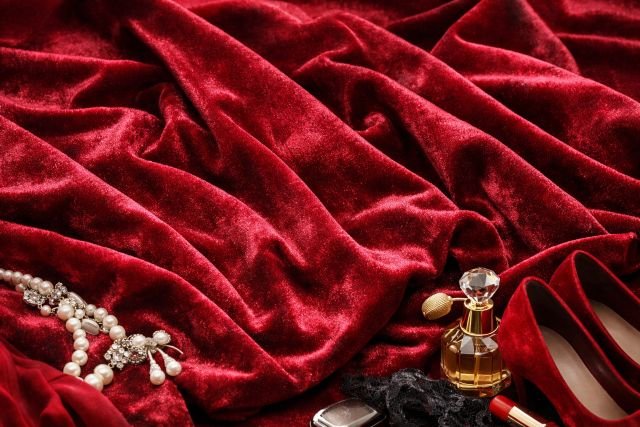
If you love the rich look of velvet but want something more structured, durable, and generally easier to sew, red velveteen is one of the best fabric choices you can make. Velveteen looks similar to velvet because it has a soft surface pile, but it usually has a cotton base and a denser, shorter pile. That gives it a more matte appearance, slightly more warmth, and more stability when stitching and styling. Britannica describes velveteen as a textile with a short, dense pile and smooth back, often made from cotton and constructed with a filling-pile method.
- What Is Velveteen Fabric?
- How Red Velveteen Feels: Texture, Weight, and Drape
- Red Velveteen vs Velvet: What’s the Difference?
- Best Uses for Red Velveteen in Fashion
- Red Velveteen for Home Décor and Interior Styling
- Styling Ideas: How to Wear Red Velveteen
- Sewing with Red Velveteen: What You Should Know
- How to Care for Red Velveteen
- Red Velveteen Buying Guide: How to Choose the Best Quality
- Common Mistakes to Avoid with Red Velveteen
- FAQ: Red Velveteen
- Conclusion: Why Red Velveteen Is Worth Choosing
In this guide, you’ll learn exactly how red velveteen feels, how it differs from velvet, where it performs best, and how to style and care for it so it stays beautiful and lasts longer. Whether you’re buying velveteen for a garment, home décor, a costume, or an upholstery-style project, you’ll walk away knowing what to choose and why.
What Is Velveteen Fabric?
Velveteen is a woven fabric designed to imitate velvet while offering more structure. It has a pile surface that feels plush and soft, but the pile is typically shorter than velvet and is most commonly constructed using cotton yarns. This gives velveteen a sturdy character that holds shape well, which is why it’s often selected for fitted clothing, decorative items, and durable textile projects. Britannica notes that velveteen is created with extra filling yarns floated over warp threads to form the pile, which is later cut or finished to produce the soft surface.
Red velveteen is particularly striking because pile fabrics naturally create depth in color. The nap reflects light differently depending on direction, giving the red shade a dimensional richness that flat fabrics rarely achieve.
How Red Velveteen Feels: Texture, Weight, and Drape
The feel of red velveteen is one of the main reasons people choose it. It has a plush surface that feels smooth to the touch, but it’s often described as warmer and more “grounded” than velvet. It can feel slightly peached rather than slippery, which makes it easier to handle.
Velveteen usually has more weight and body than velvet. That added structure makes it excellent for pieces that need shape rather than flow. Britannica specifically notes that velveteen has more body and is less easily draped than velvet, which is a major difference in how it behaves when worn or used in interiors.
Because of this, red velveteen typically works better for tailored and fitted designs, rather than ultra-fluid gowns or garments meant to ripple and fall softly.
Red Velveteen vs Velvet: What’s the Difference?
Although the two fabrics can look similar at first glance, red velveteen and velvet behave very differently. Velvet often has a softer drape, a higher shine, and may be made from silk, synthetics, or various blends. Velveteen, on the other hand, is frequently cotton-based, with a shorter pile and a more matte appearance. That gives it more firmness, more durability, and more structure.
Velveteen is also generally more beginner-friendly for sewing because it’s less slippery than many velvet fabrics, even though it still requires careful handling due to its pile and nap direction. Many textile references describe velveteen as stiffer and less drapey than velvet, which is why it’s more common in structured garments and décor.
Best Uses for Red Velveteen in Fashion
Red velveteen is a classic choice for fall and winter clothing because it feels warm and looks festive without needing a lot of embellishment. It works especially well for blazers, tailored jackets, structured dresses, A-line skirts, and fitted bodices because it holds shape and offers a polished silhouette. It’s also commonly seen in children’s clothing and costumes because it looks luxurious but tends to be more durable and practical than traditional velvet. Britannica mentions that velveteen is often used in women’s and children’s clothing as well as décor textiles like draperies and bedspreads.
If you want a fabric that instantly elevates an outfit, red velveteen delivers the look of luxury with slightly less maintenance than delicate velvet, depending on the fiber blend.
Red Velveteen for Home Décor and Interior Styling
Red velveteen can transform a room by adding warmth, depth, and softness. It is especially effective as an accent fabric, where it can create a rich focal point without dominating the entire space. In interior styling, red velveteen is often used for cushion covers, throw pillows, curtains, table runners, and decorative upholstery applications. Because velveteen has body, it works well in curtains that need structure and in soft furnishings that benefit from a plush, cozy surface.
Pairing red velveteen with warm neutrals such as cream or beige creates a soft, inviting look, while pairing it with brass or gold gives a classic luxury feel. It also works beautifully with deep green and navy, especially in seasonal décor and holiday styling.
Styling Ideas: How to Wear Red Velveteen
Red velveteen can be styled in modern, minimal ways or in romantic, vintage-inspired silhouettes. For a clean modern look, a red velveteen blazer paired with a black turtleneck and dark denim creates a sharp contrast that keeps the outfit refined. For holiday dressing, a red velveteen dress with simple accessories and classic heels creates a festive look that doesn’t rely on sequins or sparkle, because the fabric itself already has dimension.
For vintage styling, red velveteen shines in puff sleeves, corset-inspired bodices, and midi skirts because its structure helps create shape. For menswear, it’s often used in dinner jackets, statement blazers, and waistcoats because it provides sophistication while still being wearable and warm.
Sewing with Red Velveteen: What You Should Know
Sewing red velveteen is very manageable, but it requires attention to the nap. Velveteen has a pile direction, and cutting pieces in different directions can make panels appear like different shades of red. This is one of the most common causes of a “patchy” or uneven finish. The best practice is to align all pattern pieces in the same direction when cutting, even if it uses more fabric.
It’s also important to avoid crushing the pile while pressing. Direct ironing can flatten velveteen permanently if too much heat or pressure is applied. Instead, steaming is generally safer, and if you must press, use the reverse side or a protective surface. Stitching slowly helps prevent layers from shifting, and using supportive tools like a walking foot can improve seam quality.
How to Care for Red Velveteen
Red velveteen should be cared for gently because pile fabrics can show pressure marks, shine marks, and crushed areas. Steaming is one of the best ways to refresh velveteen and restore its pile after storage or wear. A velvet care guide explains that steam helps accelerate pile recovery, and gentle brushing can lift the pile back into place.
Martha Stewart also recommends steaming and brushing against the pile direction to help restore crushed velvet furniture, and these principles can apply to velveteen as well because both are pile fabrics.
Washing depends heavily on the fiber blend. Some cotton velveteens may tolerate gentle washing, but shrinkage and pile changes are possible, so checking the manufacturer’s care instructions and testing on a swatch is always smart.
Red Velveteen Buying Guide: How to Choose the Best Quality
The quality of red velveteen can vary widely depending on pile density, base weave, and fiber blend. Dense pile generally looks richer and feels softer. A stable backing helps garments maintain their shape and makes the fabric easier to sew. Weight matters too, because lighter velveteen works for apparel while heavier velveteen works better for décor projects. If the fabric includes stretch, it may be more comfortable for fitted clothing, but it can behave differently under a sewing machine.
Because red velveteen can look different under warm and cool lighting, ordering a swatch is one of the best ways to make sure the shade and finish match your project.
Common Mistakes to Avoid with Red Velveteen
One of the biggest mistakes people make is ignoring nap direction when cutting, which causes mismatched shading in panels. Another issue is pressing directly on the pile, which can crush the fabric permanently and create shiny patches. Overusing water while steaming can also leave marks or distort pile fabrics, so steaming should be gentle and controlled.
Finally, choosing the wrong project type can lead to disappointment. Velveteen shines in structured designs and décor applications, but it’s not always ideal for ultra-fluid, drapey garments. Britannica notes velveteen has more body and less drape than velvet, so it naturally performs better in tailored designs.
FAQ: Red Velveteen
What is red velveteen fabric?
Red velveteen is a pile fabric with a short, dense surface, typically made from cotton or cotton blends. It imitates velvet but usually has more structure and a more matte appearance.
Is velveteen the same as velvet?
No. Velveteen is generally cotton-based with a shorter pile and less drape. Velvet often has a smoother drape and can be more lustrous, depending on fiber content.
What is red velveteen used for?
Red velveteen is commonly used in structured clothing such as jackets, skirts, and dresses, as well as in décor items like curtains, bedspreads, and cushions. It’s also widely used for costumes and seasonal craft projects.
Does velveteen wrinkle easily?
Velveteen can crease and show pressure marks, especially when stored folded. Gentle steaming and pile brushing are often recommended for restoring the surface.
How do you press velveteen without crushing it?
Avoid direct ironing on the pile. Steaming is safer, or press carefully from the reverse side with minimal pressure and a protective layer.
Conclusion: Why Red Velveteen Is Worth Choosing
Red velveteen is an excellent fabric when you want a luxurious look without sacrificing structure and practicality. Its dense, short pile gives it depth and richness, making it perfect for winter fashion, festive styling, and cozy home décor. Because it holds shape better than velvet, it shines in tailored garments and décor projects that need body, not drape.
To get the best results, always align pattern pieces with the nap, avoid crushing the pile during pressing, and use steaming to refresh the surface. When treated properly, red velveteen can look sophisticated, timeless, and high-end—while remaining warm, durable, and highly wearable.