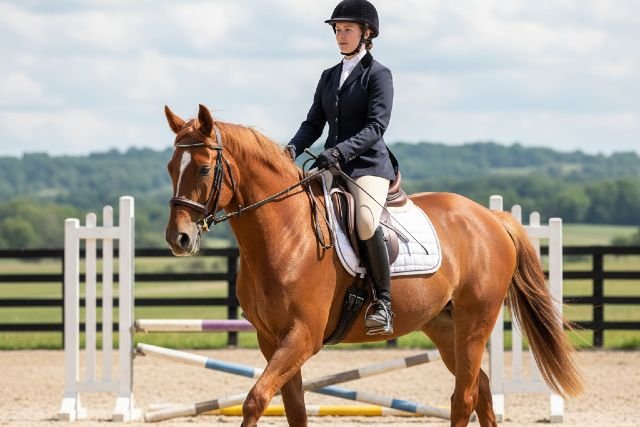
English riding is a style of horseback riding that uses a lighter saddle, closer contact, and a balanced upright position. It is known for precision, elegance, and strong rider-horse communication. Most people associate english riding with disciplines like dressage, show jumping, hunters, eventing, and equitation, where correct position and quiet aids are essential.
- What Does English Riding Mean?
- English Riding vs Western Riding: What’s the Difference?
- Why English Riding Is Popular for Beginners
- Types of English Riding Disciplines
- English Riding Tack and Equipment
- The Correct English Riding Position
- Key Techniques in English Riding
- Seat Types in English Riding: Full Seat and Two-Point
- A Beginner Roadmap for Learning English Riding
- Common Mistakes Beginners Make in English Riding
- Safety Basics for English Riding
- Real-World Scenario: Why English Riding Fundamentals Matter
- FAQ: English Riding Questions
- Conclusion: English Riding Basics for Confident Riding
If you are new to horseback riding, english riding may feel more technical at first compared to other styles, but that’s what makes it so rewarding. You learn how to guide a horse using subtle cues from your legs, hands, and seat. Over time, these fundamentals create a strong foundation that applies to nearly every riding discipline.
What Does English Riding Mean?
English riding refers to a riding tradition that developed primarily in Europe and evolved into modern competitive sports. It is typically ridden with two hands on the reins, a more upright posture, and a saddle that allows closer feel and more refined communication. Many equestrian sports under the FEI, including Olympic disciplines like dressage, show jumping, and eventing, are forms of english riding.
Unlike styles that focus on utility or ranch work, english riding tends to emphasize refined technique, balance, and athletic movement. Even casual English riders often practice controlled transitions, correct bending, and steady rhythm, all of which contribute to safer and more confident riding.
English Riding vs Western Riding: What’s the Difference?
The biggest differences between english riding and western riding come down to tack design, rider posture, and riding goals. English saddles are lightweight, designed for close contact, and allow the rider to move freely for jumping and advanced movements. Western saddles are heavier and deeper, built for stability and long hours in the saddle.
English riding usually uses two hands on the reins, particularly for beginners and in formal disciplines. Western riding often transitions into one-handed riding at advanced levels. English riders typically sit in a balanced, upright position with a straight alignment from ear to shoulder to hip to heel, while western riders often sit deeper with a longer stirrup and a more relaxed leg.
Both styles can be beginner-friendly. The best choice depends on your goals. If you want structured improvement, competitive pathways, or jumping and dressage, english riding is often the better fit.
Why English Riding Is Popular for Beginners
English riding builds excellent fundamentals. It teaches balance, posture, coordination, and clear communication with the horse. Beginners who learn english riding often develop strong riding habits early because the style encourages correct body alignment and quiet aids.
Another reason it is popular is the variety of pathways available. A rider can begin in general lessons and later move into dressage, jumping, hunters, eventing, or equitation. Because these disciplines share foundational skills, english riding offers long-term growth without limiting your future options.
Types of English Riding Disciplines
English riding includes many disciplines, but most beginners encounter dressage, hunter, jumper, equitation, and eventing.
Dressage focuses on precision and training. Riders develop rhythm, suppleness, contact, and balance through increasingly advanced exercises. The sport often uses a training system known as the pyramid of training, which begins with rhythm and relaxation and builds toward collection.
Hunter riding focuses on smoothness, rhythm, and style. It is designed to look effortless and rewards calm, consistent rounds over fences and on the flat. Jumping in hunter classes is meant to appear flowing and controlled rather than fast.
Jumper riding is more speed and accuracy-based. Riders aim to complete courses quickly while avoiding penalties like rails or refusals. The pace tends to be more forward, and riders often focus on adjustments and strategy.
Equitation focuses on the rider’s position and effectiveness. It is one of the best disciplines for refining fundamentals and learning classic English form. Many riders train in equitation to become more balanced, consistent, and accurate.
Eventing combines three phases: dressage, cross-country, and show jumping. It is one of the most athletic English sports and is also an Olympic discipline. It tests both the horse’s bravery and the rider’s adaptability.
English Riding Tack and Equipment
English riding requires tack designed for close contact and precision. The English saddle is lighter than a western saddle and comes in different styles depending on discipline, including dressage saddles, jumping saddles, and all-purpose saddles. Riders use a bridle with reins, a saddle pad, a girth, stirrup leathers, and stirrups.
For riders, safety and comfort are the priority. A certified riding helmet is essential. Riding boots with a heel help prevent the foot from sliding through the stirrup and allow better leg stability. Breeches or riding pants improve comfort in the saddle and help prevent rubbing.
Most lesson programs provide tack at the beginning, which makes it easier for new riders to start without heavy investment. Over time, as you progress, you may choose equipment that matches your discipline and personal fit preferences.
The Correct English Riding Position
English riding technique is built on alignment and balance. The classic reference point is the ear-shoulder-hip-heel line. When you are sitting correctly, your body forms a vertical line that supports stability without stiffness. Your shoulders remain relaxed, your elbows stay soft, and your hands hold the reins with a steady, quiet contact.
Your legs should remain long and supportive, not gripping. The heel is usually lower than the toe, but it should not be forced or rigid. Overcorrecting the heel can create tension and reduce natural ankle shock absorption.
Key Techniques in English Riding
The seat is one of the most important parts of english riding. A balanced seat allows you to follow the horse’s movement while staying stable. Beginners often struggle with tension in the hips or gripping with the knees, but good instruction helps riders develop a relaxed, effective seat that stays connected to the horse without restricting motion.
Leg aids are another essential technique. In english riding, the legs do much more than “go forward.” The inside leg encourages impulsion and bend, while the outside leg supports straightness, balance, and canter leads. Learning to use your legs with light pressure and correct timing is one of the most valuable beginner goals.
Rein contact is one of the defining features of english riding. Good contact is steady and elastic, not pulling or stiff. Riders learn to maintain an even connection from the hand to the horse’s mouth while the leg and seat create forward energy. Dressage teaching systems emphasize that contact should come from the whole body, not just the hands.
Transitions are where riding becomes real training. Moving smoothly between walk, trot, canter, and halt teaches balance and responsiveness. Riders who practice transitions early develop a horse that listens better and a body that stays more stable through change.
Seat Types in English Riding: Full Seat and Two-Point
English riding includes different seat positions depending on speed and discipline. A full seat is used for deeper control, especially in dressage and basic flatwork. A lighter seat is often used for forward riding, while the two-point position is common in jumping and galloping.
Two-point position is important because it strengthens legs, improves balance, and teaches stability without relying on the reins. It also reduces pressure on the horse’s back and helps riders stay secure over fences. Many training programs emphasize two-point early because it builds confidence and safe form.
A Beginner Roadmap for Learning English Riding
Most beginners start by learning safe mounting, stopping, and steering at the walk. After that, posting trot becomes the next major skill. Posting teaches rhythm and reduces bounce for both horse and rider. Once a rider can trot confidently, they begin learning diagonals, basic circles, and transitions.
Canter usually comes after a rider has steady balance at walk and trot. Riders also begin practicing light seat and two-point as they progress. Many programs introduce poles or small cavalletti before true jumping. This progression helps riders develop correct form and timing while reducing the risk of rushing into advanced skills too quickly.
Common Mistakes Beginners Make in English Riding
Many new English riders grip with their knees. This often makes the leg swing and reduces balance. A better approach is to keep the thigh relaxed and let weight drop into the heel naturally.
Another common mistake is leaning forward when nervous. This can throw off balance and make it harder to control transitions. Staying tall with a stable core and keeping shoulders over hips helps prevent tipping forward.
Pulling on the reins instead of using the leg and seat is also common. Beginners sometimes try to steer or stop only with the hands. The best riding comes from a combination of seat, leg, and gentle rein guidance rather than force.
Safety Basics for English Riding
English riding is safe when taught correctly. Wearing a certified helmet is essential. Riders should always check the girth before riding and again after warming up. Maintaining space between horses, learning safe stops, and developing confidence at each gait before advancing also reduces risk.
Good instructors teach riders to avoid wrapping reins around their hands and to stay aware of their surroundings in arenas. Riding should be progressive, and no beginner should feel pressured to do advanced work before they have the foundation.
Real-World Scenario: Why English Riding Fundamentals Matter
A common situation occurs when a rider begins in hunters and later tries dressage. That rider often discovers that their balance and rhythm transfer well, but dressage demands more precision in transitions and contact. Riders who already have a stable seat and consistent rein connection often adapt faster because english riding fundamentals remain consistent across disciplines.
This is one reason why English riding is such a strong foundation. Whether you end up jumping, competing, or riding for pleasure, the skills you learn early will stay useful for life.
FAQ: English Riding Questions
What is English riding?
English riding is a style of horseback riding that uses an English saddle and a balanced upright position. It is used in dressage, jumping, hunters, eventing, and equitation.
Is English riding good for beginners?
Yes, English riding is beginner-friendly when taught properly. It emphasizes balance, posture, and clear communication, which helps riders build strong fundamentals.
What are the main English riding disciplines?
The main English riding disciplines include dressage, hunters, jumpers, equitation, and eventing.
What is two-point position in English riding?
Two-point position is a forward seat where the rider’s hips close and the seat stays slightly out of the saddle, with weight stabilized in the heels. It is widely used in jumping.
Conclusion: English Riding Basics for Confident Riding
English riding is one of the most structured and versatile riding styles in the world. It teaches balance, communication, posture, and precision in a way that applies to every level, from beginners to Olympic athletes. Whether your goal is dressage mastery, elegant hunter rounds, thrilling jumper courses, or adventurous eventing, english riding gives you a solid foundation that grows with you.
When you focus on correct position, steady rein contact, effective leg aids, and consistent transitions, you progress faster and ride more safely. With good instruction and steady practice, English riding becomes not only a sport, but a lifelong skill and an incredible partnership with the horse.