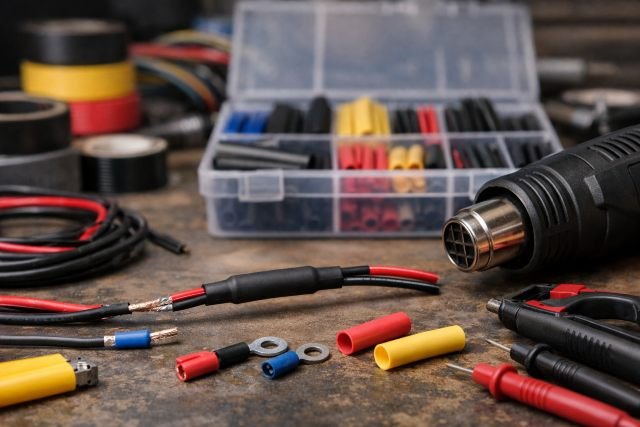
Shrink tube, also called heat shrink tubing, is a protective sleeve that tightens around wires, joints, and connectors when heat is applied. It is widely used in electrical wiring and repairs because it creates a clean, secure, and durable insulation layer that prevents damage from friction, vibration, moisture, corrosion, and exposure to chemicals.
- What Is Shrink Tube?
- Why Shrink Tube Is Essential for Wiring and Repairs
- Shrink Tube Uses for Electrical Work and Repairs
- Shrink Tube vs Electrical Tape
- Types of Shrink Tube and When to Use Them
- Shrink Ratios Explained: 2:1 vs 3:1 vs 4:1
- How to Choose the Correct Shrink Tube Size
- How to Use Shrink Tube Correctly
- What Tools Should You Use to Shrink Heat Shrink Tubing?
- Shrink Tube Standards and Compliance
- Common Mistakes to Avoid When Using Shrink Tube
- FAQ: Shrink Tube Questions
- Conclusion: Shrink Tube Is a Small Tool That Prevents Big Problems
Shrink tube is especially useful when electrical tape is not strong enough to survive high heat or long-term wear. In many professional environments, heat shrink tubing is evaluated using standards such as UL 224, which covers insulation tubing requirements including performance, dielectric strength, and durability.
In this article, you’ll learn exactly why shrink tube is essential, how it’s used in real-world repairs, and how to choose the right tubing for the safest and most reliable results.
What Is Shrink Tube?
Shrink tube is a heat-activated plastic tube that shrinks tightly over wiring or electrical connections when heated, providing insulation, protection, sealing, and reinforcement for repairs and electrical installations.
Why Shrink Tube Is Essential for Wiring and Repairs
Shrink tube is essential because it strengthens wiring systems at their weakest points. Wire joints, splices, and connector edges are often the first places where electrical failures occur. Heat shrink tubing adds insulation and mechanical reinforcement, which helps reduce the risk of shorts, cracking, abrasion, and moisture-related corrosion.
A major advantage is that shrink tube provides a snug fit that does not loosen over time. Many shrink tube materials are engineered to resist abrasion and maintain dielectric insulation even after years of exposure. TE Connectivity describes shrink tubing as a reliable method for insulation, strain relief, and shielding against abrasion, chemicals, and environmental exposure.
Shrink Tube Uses for Electrical Work and Repairs
Shrink tube is commonly used for insulating wire splices after soldering or crimping. This is one of its most important functions because splices expose conductors and create points where vibration and movement can cause failure. When shrink tubing is applied properly, it creates a sealed, durable layer that reduces the chance of accidental contact and improves the lifespan of the joint.
Shrink tube is also used for waterproofing, especially when adhesive-lined heat shrink tubing is used. Dual-wall shrink tube contains an inner adhesive that melts and seals when heated, making it ideal for marine wiring, outdoor repairs, trailer wiring harnesses, and any wiring exposed to humidity or water. In these environments, standard insulation is often not enough, and moisture protection becomes essential.
Another important use of shrink tube is strain relief. Wire and cable ends are constantly exposed to bending stress, especially around plugs, terminals, and connectors. When shrink tube is applied to these areas, it reinforces the point where the wire enters the connector and reduces stress on the copper conductor, which helps prevent breaks and fatigue.
Shrink tube is also frequently used to repair damaged insulation. A small cut or abrasion on a wire jacket can become a serious issue if left exposed, especially in electrical systems that generate heat or movement. Shrink tube provides a quick, durable repair solution in cases where the conductor is still healthy and there is no corrosion. Technical references describe heat shrink tubing as a commonly used method for repairing wire insulation and adding protective layers against mechanical and environmental damage.
In professional wiring systems, shrink tube is also used for bundling wires to organize looms and protect them from rubbing against metal edges. Organized wiring not only looks better, but it reduces maintenance time and helps prevent accidental damage during repairs.
Another valuable use is cable identification and labeling. Shrink tube labeling sleeves are often used in control panels and industrial installations because they are more durable than adhesive labels or tape. They resist oil, moisture, and abrasion and remain readable for long periods, which helps technicians trace wires faster and reduces mistakes.
Shrink tube is also commonly used to protect solder joints. Soldered connections can be electrically excellent, but they are often mechanically weak if the wire is not reinforced. Shrink tube covers the joint and prevents flexing and cracking. Some products even combine solder and sealing into one component, known as solder sleeves, allowing solder flow and sealing during heating.
Finally, shrink tube plays an important role in high-reliability environments where wiring must withstand harsh conditions. Certain shrink tube materials are designed for high heat, chemical exposure, UV exposure, or extreme abrasion. In these cases, polyolefin, fluoropolymer, or PTFE tubing may be selected depending on the environment and compliance requirements.
Shrink Tube vs Electrical Tape
Shrink tube is generally better than electrical tape for long-term performance. Electrical tape can loosen, peel, or leave sticky residue over time, especially in heat, humidity, or vibration. Shrink tube, on the other hand, forms a uniform and secure protective layer that stays in place and provides better abrasion resistance.
Electrical tape can still be useful for quick or temporary repairs, but shrink tubing is the preferred choice for permanent wiring work where reliability matters.
Types of Shrink Tube and When to Use Them
The most common type of shrink tube is polyolefin, which is flexible, durable, and suitable for most electrical insulation applications. It is widely used in general wiring and repair work because it offers a reliable combination of shrink performance and durability.
Adhesive-lined shrink tube, also called dual-wall shrink tube, is ideal for waterproofing and moisture sealing. It is commonly used outdoors, in vehicles, and in marine environments because the adhesive melts during heating and forms a sealed bond.
PVC shrink tube is sometimes used in low-cost applications and consumer electronics, although it typically has a lower heat resistance than polyolefin.
PTFE and fluoropolymer shrink tubing are often used in demanding environments because they resist chemicals, tolerate high temperatures, and offer superior durability. These materials are typically found in aerospace, laboratory, or industrial applications where performance requirements are strict.
Shrink Ratios Explained: 2:1 vs 3:1 vs 4:1
Shrink ratio refers to how much the tubing will reduce in diameter when heat is applied. A 2:1 shrink tube will reduce to half its diameter, while 3:1 will reduce to one-third, and 4:1 will reduce to one-fourth.
A 2:1 ratio is usually sufficient for standard wire insulation and small repairs. A 3:1 ratio is more flexible and useful when the tubing must go over thicker connectors or irregular shapes before shrinking down tightly. A 4:1 ratio is often used for heavy-duty repairs and large bundles where the tubing needs to accommodate significant size differences.
How to Choose the Correct Shrink Tube Size
Choosing the correct size is critical to getting a strong and reliable result. The tubing must be large enough to slide over the wire or connector before heating, but small enough to shrink tightly afterward. This means you should check both the expanded diameter and the recovered diameter listed in the product specifications.
A good rule is to choose tubing that is slightly larger than the widest point of the connection and ensure it will shrink smaller than the wire insulation diameter for a tight seal.
How to Use Shrink Tube Correctly
Shrink tube installation is simple but must be done carefully for professional results. Start by cutting the tubing to the correct length, ensuring it will cover the exposed area with slight overlap. Slide the tubing onto the wire before making the connection, because once a splice is made you may not be able to insert the tubing.
After soldering or crimping, move the tubing into the center of the joint. Apply heat evenly using a heat gun, shrinking from the middle outward to reduce trapped air. Allow the tubing to cool before bending or applying stress, because movement while hot can distort the tubing or weaken the seal. Shrink tube is designed to shrink radially with controlled heat, and improper heating can reduce its effectiveness.
What Tools Should You Use to Shrink Heat Shrink Tubing?
A heat gun is the best tool for shrinking heat shrink tubing because it provides even heating and reduces the risk of scorching. Hot air stations are also useful for electronics work where precision is needed. In production environments, controlled ovens are sometimes used for uniform results.
Open flames such as lighters are not recommended because they can cause uneven shrinking, soot contamination, and local overheating, which may damage the tubing or weaken insulation performance.
Shrink Tube Standards and Compliance
If you work in electrical manufacturing, industrial installation, or regulated industries, certification matters. UL 224 is one of the most common standards covering insulating tubing. It describes requirements for electrical insulation tubing, including heat-shrinkable types, across electrical, mechanical, and flammability performance categories.
Using UL-rated shrink tube can help support safety expectations and quality requirements for professional work, especially where inspection or long-term reliability is important. UL also maintains broader insulating tubing certification programs that validate tubing properties for industrial and electrical applications.
Common Mistakes to Avoid When Using Shrink Tube
One common mistake is choosing a shrink tube size that doesn’t fully seal around the wire, leading to loose protection and moisture entry. Another is overheating the tubing, which can cause burning, bubbling, or cracking over time. Many users also forget to slide the tubing on before creating the splice, which forces them to redo the work.
Another mistake is using standard single-wall tubing in environments where water resistance is needed. If wiring is exposed to rain, humidity, washdowns, or corrosion risks, adhesive-lined tubing should be used for proper sealing.
FAQ: Shrink Tube Questions
What is shrink tube used for?
Shrink tube is used to insulate wires, protect splices and joints, add strain relief, seal wiring against moisture, bundle cables, and label wire systems for identification.
Is shrink tube waterproof?
Shrink tube can be waterproof when adhesive-lined dual-wall tubing is used and applied correctly with even heat.
Is shrink tube better than electrical tape?
Shrink tube is usually better than electrical tape because it lasts longer, resists wear, maintains a tight seal, and looks more professional, especially in harsh environments.
What shrink ratio should I choose?
A 2:1 ratio works well for standard repairs, a 3:1 ratio is best for irregular shapes and connectors, and a 4:1 ratio is ideal for heavy-duty repairs or large bundles.
Does shrink tube need certification?
Shrink tube does not always need certification for casual DIY work, but professional environments often prefer products tested under standards such as UL 224.
Conclusion: Shrink Tube Is a Small Tool That Prevents Big Problems
Shrink tube is one of the simplest upgrades you can make to improve wiring safety and repair quality. It provides strong insulation, protects wire joints, seals against water and corrosion, and adds strain relief where wires are most likely to fail. These benefits make it essential for home repairs, automotive work, marine wiring, and industrial environments.
If you choose the right shrink tube type, match the correct size and shrink ratio, and apply heat properly, your repairs will last longer, look cleaner, and perform more reliably. For professional installations, using shrink tube tested under standards like UL 224 adds an extra layer of confidence in durability and electrical safety.