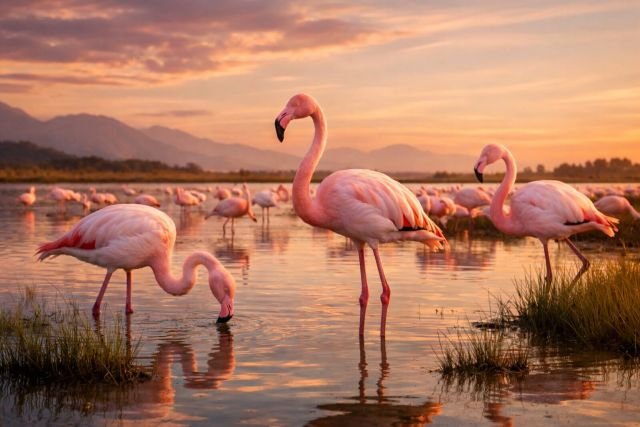
The flamant rose is one of the most recognizable birds on Earth. Its graceful posture, long legs, curved beak, and iconic pink tone make it feel almost unreal, like a creature borrowed from a watercolor painting. But seeing a flamant rose in nature is not just a beautiful travel moment — it is a direct glimpse into the health of wetlands, one of the most important and most threatened ecosystems on the planet.
- What Is a Flamant Rose? A Quick Definition and Key Facts
- Where to See the Flamant Rose in Nature: The Best Places Worldwide
- Best Time to See Flamant Rose: Seasons, Behavior, and Timing
- Why Seeing the Flamant Rose Matters: Wetlands, Biodiversity, and Ecosystem Health
- What Threatens Flamant Rose Populations? The Real Risks Behind the Beauty
- How to Observe Flamant Rose Responsibly Without Causing Harm
- Practical Travel Tips for Flamant Rose Trips
- FAQ: Flamant Rose
- Conclusion: Flamant Rose Viewing Is More Than a Beautiful Moment
Flamingos depend on very specific environments: salty lagoons, shallow coastal marshes, and alkaline lakes where microscopic algae and small crustaceans thrive. If those ecosystems are disrupted by pollution, water diversion, climate change, or unsustainable tourism, flamingos quickly disappear. That’s why knowing where to see them, when to go, and how to observe them responsibly matters more than most people realize.
In this detailed guide, you’ll learn where to see the flamant rose in the wild, the best seasons to plan your trip, what makes their habitat so unique, and why protecting the places they live is essential for biodiversity and climate resilience.
What Is a Flamant Rose? A Quick Definition and Key Facts
The flamant rose, known internationally as the Greater Flamingo and scientifically as Phoenicopterus roseus, is a large wading bird found across parts of Europe, Africa, and Asia. It is strongly associated with wetlands, especially saline or alkaline bodies of water where it can feed by filtering water and mud. This species is famous for gathering in large colonies, sometimes numbering in the thousands, which creates the unforgettable “pink horizon” effect many wildlife travelers dream of seeing.
One of the most common questions is why flamingos are pink. The answer is simple but fascinating: their diet contains carotenoids, natural pigments found in algae and small crustaceans like brine shrimp. Those pigments are absorbed and deposited into the feathers and skin, gradually giving the bird its pink coloration. When food availability changes, flamingos can even become paler, which is one reason conservationists monitor food sources and wetland health.
Where to See the Flamant Rose in Nature: The Best Places Worldwide
Seeing a flamant rose in the wild is possible in many parts of the world, but the best experiences usually happen in protected wetlands where the birds can feed and rest with minimal disturbance. Your ideal destination depends on whether you want easy access, large colonies, or dramatic scenery.
In Europe, France is the most famous country for flamant rose viewing, especially in the Camargue. This region in southern France is often considered the ultimate European flamingo destination because it offers a combination of rich wetlands, relatively stable populations, and excellent viewing infrastructure. Many visitors see flamingos year-round, and during peak seasons the landscape becomes a moving canvas of pink.
Spain is another outstanding option, particularly in areas such as Doñana National Park and the Ebro Delta. These wetlands host flamingos during parts of the year, and the surrounding ecosystems also offer impressive wildlife diversity, including herons, egrets, and migratory birds. Spain is ideal for travelers who want flamant rose sightings combined with broader birdwatching opportunities.
Italy, especially Sardinia, has become increasingly known for flamingo observation. Near Cagliari, the Molentargius area is well known for sightings, and the combination of coastal lagoons and protected zones makes it a rewarding destination. The best part is that you can often see flamingos with relatively little effort, making it a strong choice for casual wildlife travelers.
In Africa, the experience can be on an entirely different scale. Kenya’s Rift Valley lakes are famous for flamingo gatherings, although the number of birds can change dramatically depending on rainfall and algae growth. Some years bring massive concentrations; other years, numbers are lower or the birds shift to different lakes. That variability can make the experience feel even more magical when conditions align. It also highlights why wetlands must be protected: the birds depend on very precise ecological balance.
Namibia is another remarkable African destination, especially in coastal areas like Walvis Bay. Here, flamingos can often be seen feeding in shallow waters with strong photographic opportunities. The stark desert-meets-ocean landscape creates dramatic contrast, and the birdlife can be extraordinary.
In parts of South Asia and the Middle East, flamant rose populations also occur in coastal wetlands, salt flats, and lagoons. These areas can be excellent for winter observation and migration viewing, although access and visibility vary depending on the exact region.
Best Time to See Flamant Rose: Seasons, Behavior, and Timing
The best time to see the flamant rose depends heavily on location, but there are patterns that help you plan intelligently. In Mediterranean regions such as France, Spain, and Italy, spring and early summer are especially rewarding. During this time, flamingos may be more active, and in some areas you may witness courtship displays, which are visually spectacular. These displays often involve synchronized group movements and can look like a choreographed dance.
Autumn can also be excellent, especially during migration periods when wetland populations may increase. The lighting in autumn is often softer, making it a strong season for photography as well. Winter can still be a great time in warmer regions, since many wetlands remain active and some flamingos stay year-round.
In places like Kenya’s Rift Valley, timing can be more complex because it depends on rainfall, water level, and algae availability. If you want the classic “pink lake” phenomenon, it helps to research recent conditions before you travel. The same location can look completely different from one year to the next, and that difference is driven by ecology rather than tourism.
Why Seeing the Flamant Rose Matters: Wetlands, Biodiversity, and Ecosystem Health
A flamant rose is not just a symbol of beauty — it is also a living indicator of wetland health. Wetlands are among the most productive ecosystems on Earth. They purify water, support fisheries, store carbon, and protect communities from flooding and coastal erosion. Yet they are also among the most threatened habitats due to land development, pollution, industrial expansion, and climate change.
Flamingos depend on wetland stability. Their feeding strategy relies on the presence of algae and small invertebrates. If pollution alters water chemistry, if water is diverted for agriculture, or if drought reduces shallow feeding zones, flamingos lose their food supply. That is why flamingos can leave a site suddenly and relocate elsewhere. This behavior is not random; it is a response to ecological stress.
Protecting flamingo habitats is also a broader conservation strategy because wetlands support countless other species. When you protect wetlands for flamant rose populations, you are also supporting migratory birds, amphibians, fish nurseries, and plant communities that stabilize entire landscapes. In many parts of the world, wetland conservation is essentially biodiversity conservation.
What Threatens Flamant Rose Populations? The Real Risks Behind the Beauty
Even though the flamant rose is not globally classified as endangered, local populations and key habitats face serious risks. Habitat loss is one of the most significant problems. Wetlands are often drained or converted for agriculture and urban growth, which reduces feeding and nesting zones. Pollution is another major threat. Chemical runoff, plastic pollution, and industrial waste can reduce food availability and degrade water quality.
Climate change intensifies these problems. Rising temperatures and changing rainfall patterns can increase drought conditions, alter salinity, and reduce shallow-water feeding grounds. In coastal wetlands, sea level rise can reshape habitat structure and reduce nesting stability. Human disturbance also plays a role. When people approach too closely, use drones, or create excessive noise near feeding or nesting areas, flamingos can abandon the site. In breeding seasons, that disturbance can directly reduce reproductive success.
Because flamingos often nest in colonies, disruptions can have large impacts. A single disturbed nesting site can affect hundreds or thousands of birds. This is why many conservation organizations prioritize long-term wetland management, monitoring, and public education.
How to Observe Flamant Rose Responsibly Without Causing Harm
If you want to see the flamant rose in nature and be part of the solution instead of the problem, the most important rule is distance. Flamingos are sensitive to disturbance, and if they stop feeding, lift their heads constantly, or begin walking away, it is a sign you are too close. Responsible observation usually means watching from established viewpoints or trails and using binoculars or a zoom lens instead of approaching them directly.
Avoid drones entirely, especially in protected areas, because drones can trigger stress responses and disrupt colonies. Stick to designated paths, keep your voice low, and never attempt to feed wildlife. Feeding can alter natural behavior and can even harm birds through inappropriate food. The best approach is to treat observation as a privilege rather than an entitlement. A calm, quiet presence not only protects the birds but also produces better photography and a more meaningful experience.
Practical Travel Tips for Flamant Rose Trips
Planning a flamant rose-focused trip becomes easier when you treat it like a wildlife expedition rather than a casual sightseeing outing. Start by checking the habitat type of your destination. Wetlands change seasonally, so recent water levels matter. Then, choose your time of day carefully. Early morning and late afternoon provide the best light and often the most bird activity. For photography, a long lens is essential, not only for better framing but also to maintain a respectful distance.
Dress in neutral tones, carry water, and prepare for wind in coastal environments. If possible, choose guided nature tours run by local conservation groups. These tours often improve your chances of sightings while supporting local protection efforts. Finally, respect local rules. Many wetland areas are protected reserves with strict access guidelines, and those rules exist to safeguard nesting and feeding habitats.
FAQ: Flamant Rose
Where can I see a flamant rose in the wild?
You can see the flamant rose in wetlands across France (especially the Camargue), Spain, Italy (Sardinia), Kenya’s Rift Valley lakes, Namibia’s coast, and various coastal wetlands in Asia and the Middle East.
Why is the flamant rose pink?
The flamant rose is pink because it consumes carotenoid-rich foods such as algae and small crustaceans. These pigments accumulate in the feathers and skin over time.
What is the best season to observe flamant rose?
In Europe, spring and early summer are often ideal, while autumn can also be excellent during migration. In Africa, timing depends on rainfall and algae availability, so conditions may vary year to year.
Are flamants roses endangered?
Globally, the flamant rose is not considered endangered, but its habitat is vulnerable. Wetland loss, pollution, and climate change can threaten local populations and breeding success.
How can I observe flamant rose without disturbing them?
Use binoculars or a telephoto lens, stay on paths, avoid drones, keep quiet, and never approach closely — especially during nesting seasons.
Conclusion: Flamant Rose Viewing Is More Than a Beautiful Moment
Seeing a flamant rose in nature is unforgettable, but it is also meaningful. It connects you to wetlands, one of the most valuable ecosystems on Earth, and reminds you how quickly nature can change when habitats are damaged. Flamingos depend on clean, stable, food-rich wetlands, and the moment those conditions shift, their presence changes too.
If you want the flamant rose to remain part of our natural world — not just a symbol on postcards — then responsible travel and wetland protection matter deeply. Observe with respect, support protected areas, and share the message that biodiversity is not only beautiful, but essential. The flamant rose is proof that when wetlands thrive, life flourishes.